
Lanai Sandalwood
IPrezentare
Prezentare
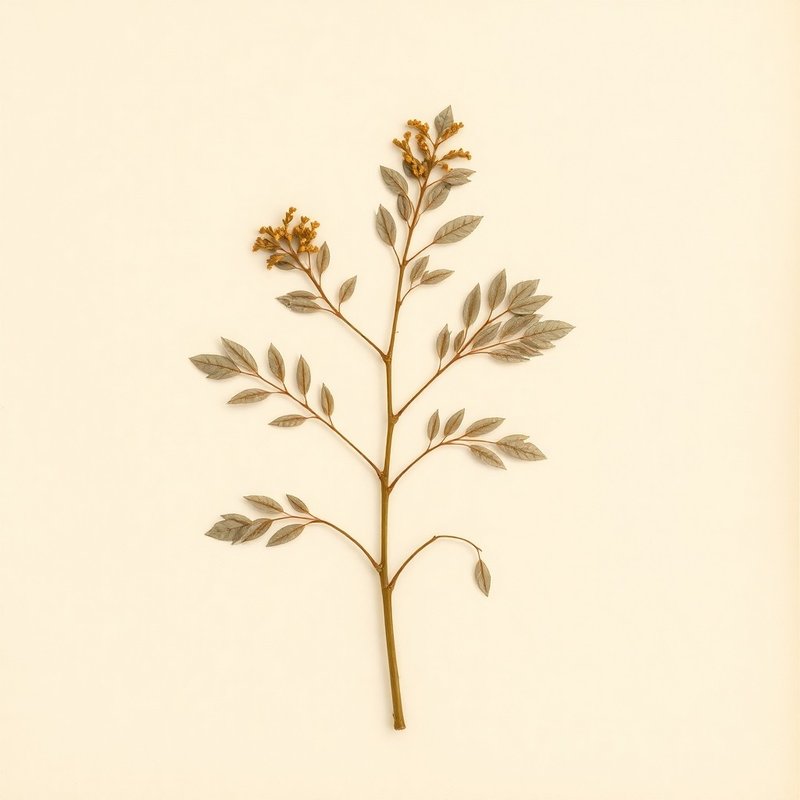
Lanai Sandalwood (Santalum freycinetianum) este un arbore sau o buște originează din Hawaii, cunoscut pentru formă luminată și aerată care se dezvoltă în zonă plin de soare până la partea de umbra. Această plantă crește până la 10 metri în înălțime și preferă condițiile seci, cu suport la drenajul bine. Este durabil în zonele 9-12 și este valorificată nu numai pentru bela sa ornamentă, ci și pentru părți edibile sale, în special semința. Caracteristică distinctivă a acestei specii de sandalwood este capacitatea sa de a produce un lemn lichid și fragrant care este valoros, deși această caracteristică este mai relevantă pentru utilizarea sa comercială decât pentru aplicările culinare sau medicabile.
What is Lanai Sandalwood?
Lanai Sandalwood (Santalum freycinetianum) este un arbore sau o buște originează din Hawaii, cunoscut pentru formă luminată și aerată care se dezvoltă în zonă plin de soare până la partea de umbra. Această plantă crește până la 10 metri în înălțime și preferă condițiile seci, cu suport la drenajul bine.
What is Lanai Sandalwood used for?
Traditionally used for topical & skin, stress & anxiety. Each claim is evidence-rated — see Section II for full citations.
IIBeneficii și dovezi
2 claims · traditional-use context
Beneficii și dovezi
2 claims · traditional-use context- Sandalwood, including Santalum freycinetianum, has been traditionally used in Ayurveda and traditional Chinese medicine for its skin-soothing properties. Topical application may help with minor irritations.
The mechanism is not fully characterised but it is believed that compounds such as santalol contribute to its anti-inflammatory effects on the skin.
▲ ModerateTopical & skin → - Traditional-use note: Lanai Sandalwood appears in herbal sources around calming and relaxation traditions, often as a aromatherapy. PlantSage presents this as ethnobotanical context, not as medical advice.
Traditional context only. This reviewed claim keeps the original moderate confidence level, but avoids treatment, disease, dosage, or guaranteed-effect language.
▲ ModerateStress & anxiety →
IV·bMixology suggestions
1 draft
Mixology suggestions
1 draftVCultivare
Cultivare
How to grow Lanai Sandalwood for the first time
Start with a simple Lanai Sandalwood sapling for your beginner garden.
- 1
What you'll need
A young Lanai Sandalwood sapling, well-draining soil, and a container or planting site.
- 2
Best time to plant
Plant in spring when the weather is mild and there's no risk of frost.
- 3
Soil and container prep
Use light, sandy soil with good drainage. Ensure containers have adequate holes for water to escape.
- 4
Sowing or transplanting
Transplant the sapling carefully, ensuring not to damage the roots. Water thoroughly after planting.
- 5
First two weeks
Keep the soil moist but not soggy during this critical period. Monitor for signs of stress.
- 6
Ongoing care
Water sparingly as it prefers dry conditions, especially once established. Prune lightly to maintain shape and health.
- 7
Harvest or pruning
Focus on pruning to encourage a healthy structure rather than harvesting. This plant is primarily grown for its ornamental value.
VIEdible & utility
Edible & utility
VIIDistribuție
1 native · 0 introduced
Distribuție
1 native · 0 introducedIXSpecimen gallery
1 image
Specimen gallery
1 imageXSee also
8 related
See also
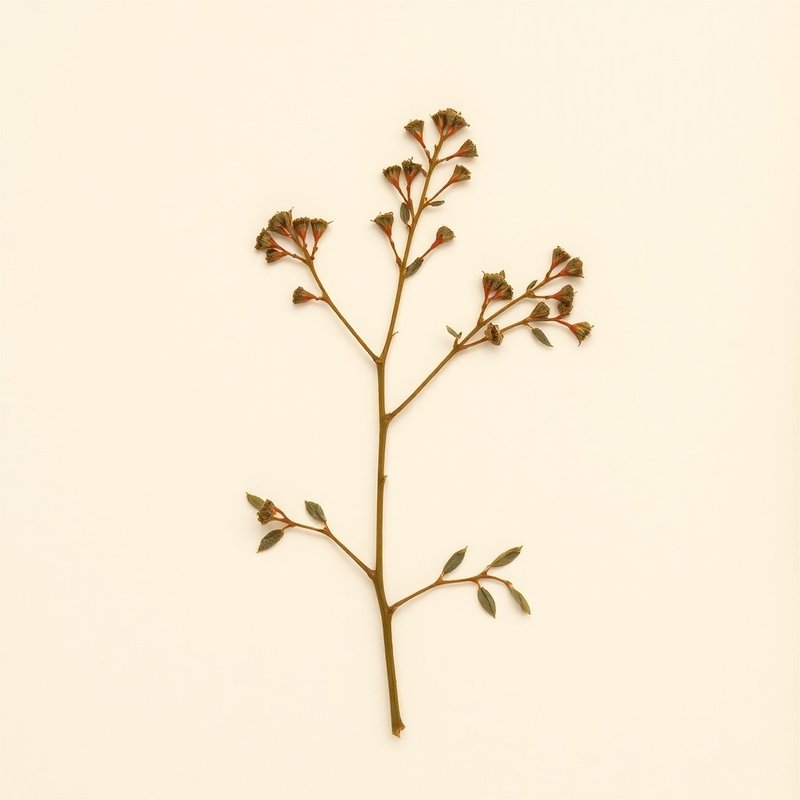
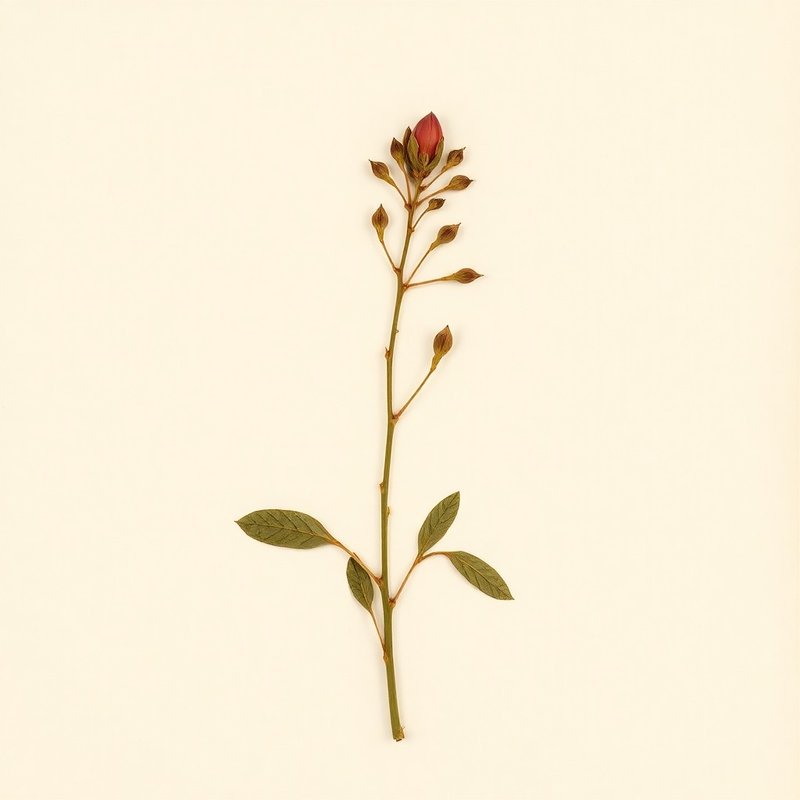
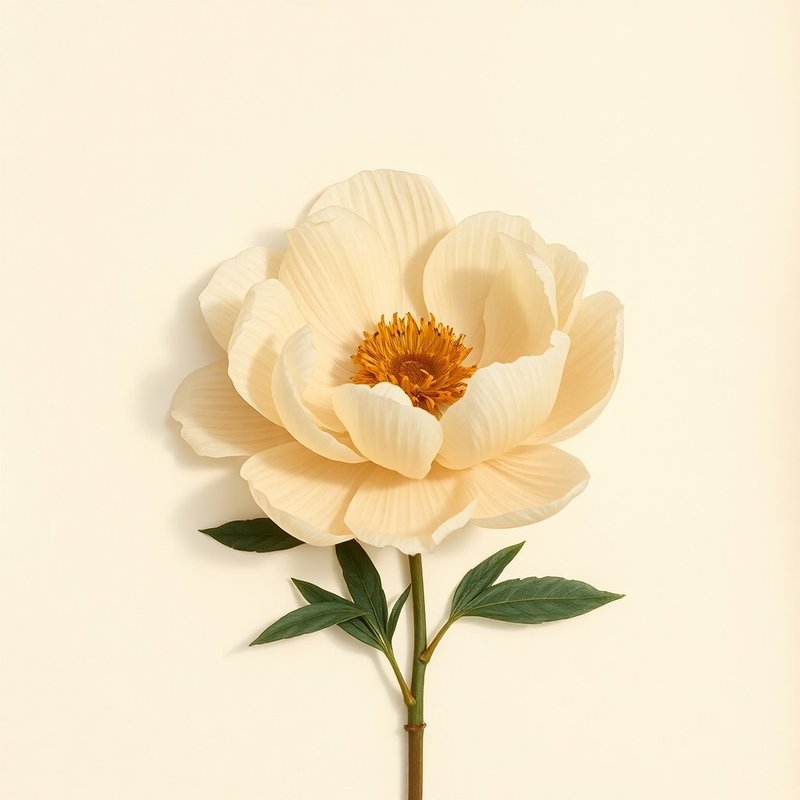
8 relatedPlants you might compare or use together — scored by shared family (Santalaceae), common use cases, and growing requirements.


Explore further
About this entry
- Last updated
- Citation
- How to cite this entry · Submit a correction
Continue reading
Primește digest-ul săptămânal
Un email curat pe săptămână — profile noi de plante, note sezoniere de cultivare, adăugiri în arhiva de remedii. Gratuit, fără tracking, dezabonare oricând.