
Broadleaf Stonecrop
IPrezentare
Prezentare
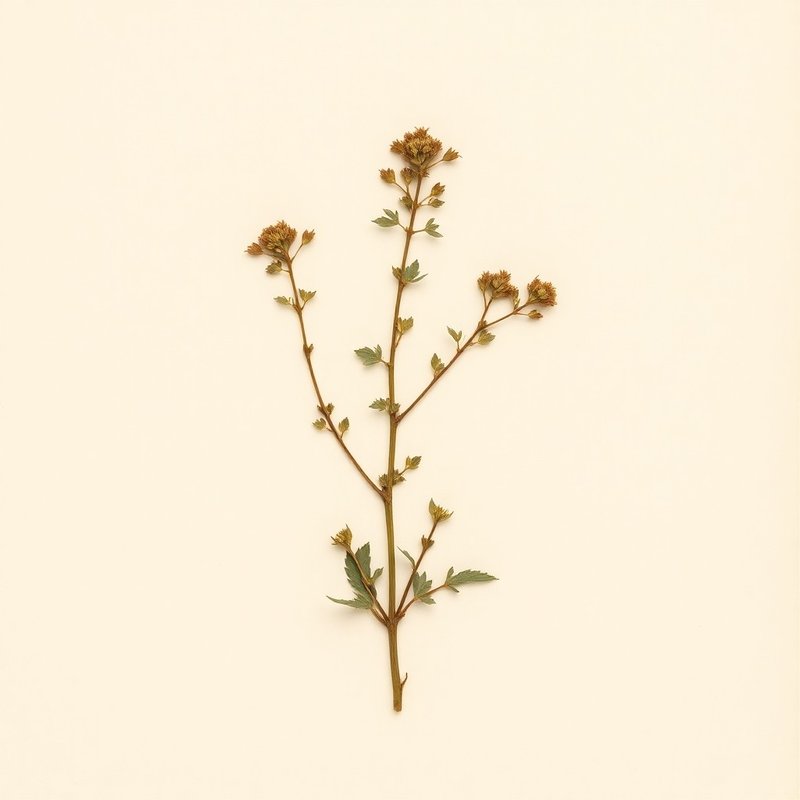
Sedum spathulifolium, cunoscut sub numele de stâncie cu frunze largi, este o perenă herbică nativă din nord-vestul Pacificului, inclusiv Britania Columbia, California, Oregon și Washington. Această plantă se dezvoltă în soarele plin sau în semisombrit și poate tolera atât condițiile ușoare, cât și umide, făcând-o adaptabilă la diverse tipuri de soluri precum soluri legărate (sandy), medii și grele (clay). Cunoscut pentru frunzele sale comestibile, Sedum spathulifolium este o adăugare valoare în jardine sau landscapede unde formează un mat de crescere scăzut. Caracteristicile distincte ale acestui plant se reflectă în capacitatea sa de a crește în diverse mediuni, contribuind la rata largă a suportului său nativ.
What is Broadleaf Stonecrop?
Sedum spathulifolium, cunoscut sub numele de stâncie cu frunze largi, este o perenă herbică nativă din nord-vestul Pacificului, inclusiv Britania Columbia, California, Oregon și Washington.
What is Broadleaf Stonecrop used for?
Traditionally used for topical & skin, immune support. Each claim is evidence-rated — see Section II for full citations.
IIBeneficii și dovezi
2 claims · traditional-use context
Beneficii și dovezi
2 claims · traditional-use context- Traditional-use note: Broadleaf Stonecrop appears in herbal sources around traditional skin-care routines, often as a topical preparation. PlantSage presents this as ethnobotanical context, not as medical advice.
Traditional context only. This reviewed claim keeps the original moderate confidence level, but avoids treatment, disease, dosage, or guaranteed-effect language.
▲ ModerateTopical & skin → - Stonecrops, including Sedum species, have been traditionally used in European herbalism to support immune function. A decoction of the leaves may help bolster the body's defenses against common ailments.
The mechanism is not fully characterised but involves antioxidant and anti-inflammatory compounds that may modulate immune responses.
▲ ModerateImmune support →
IV·bMixology suggestions
1 draft
Mixology suggestions
1 draftVCultivare
Cultivare
How to grow Broadleaf Stonecrop for the first time
Start with Broadleaf Stonecrop as a simple, low-maintenance addition to your garden.
- 1
What you'll need
A small plant or seeds, a container if planting in one, and gardening gloves.
- 2
Best time to plant
Plant Broadleaf Stonecrop in spring after the last frost or in fall before the first freeze.
- 3
Soil and container prep
Use well-draining soil with a mix of light (sandy), medium, or heavy clay. Ensure containers have drainage holes.
- 4
Sowing or transplanting
Transplant young plants into the garden or start seeds indoors 4-6 weeks before outdoor planting and then transplant them.
- 5
First two weeks
Water sparingly to avoid overwatering. Keep the soil moist but not soggy during this period.
- 6
Ongoing care
Provide full sun or partial shade, water only when necessary, and mulch around the plant to retain moisture.
- 7
Harvest or pruning
Prune dead leaves in early spring to encourage new growth. Harvest young leaves for culinary use as needed.
- 8
Common mistakes
Overwatering, planting in heavy shade, and not providing enough drainage are common issues.
VIEdible & utility
Edible & utility
VIIDistribuție
4 native · 0 introduced
Distribuție
4 native · 0 introducedIXSpecimen gallery
1 image
Specimen gallery
1 imageXSee also
8 related
See also
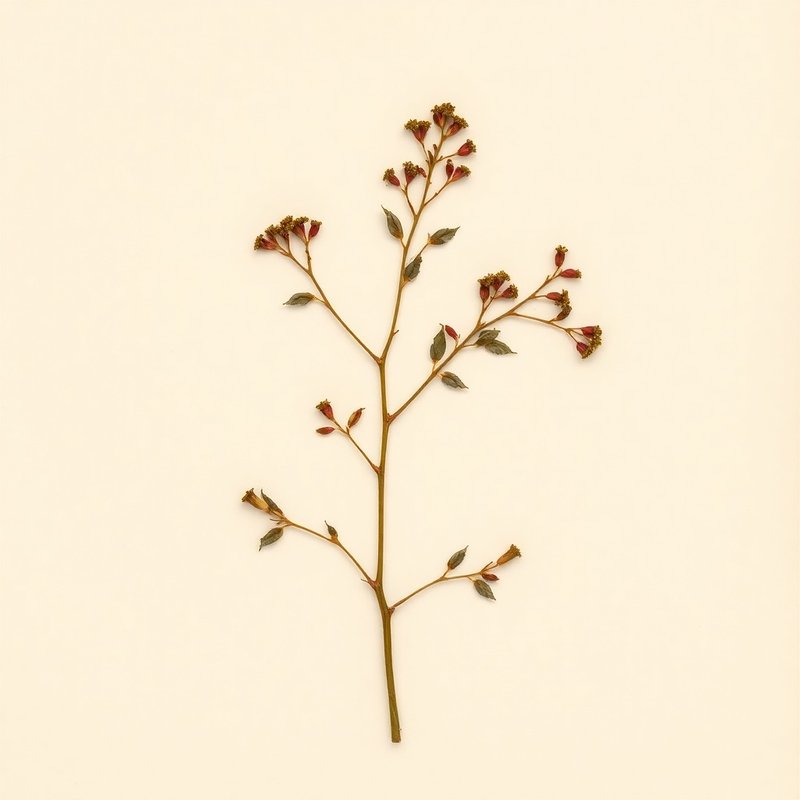
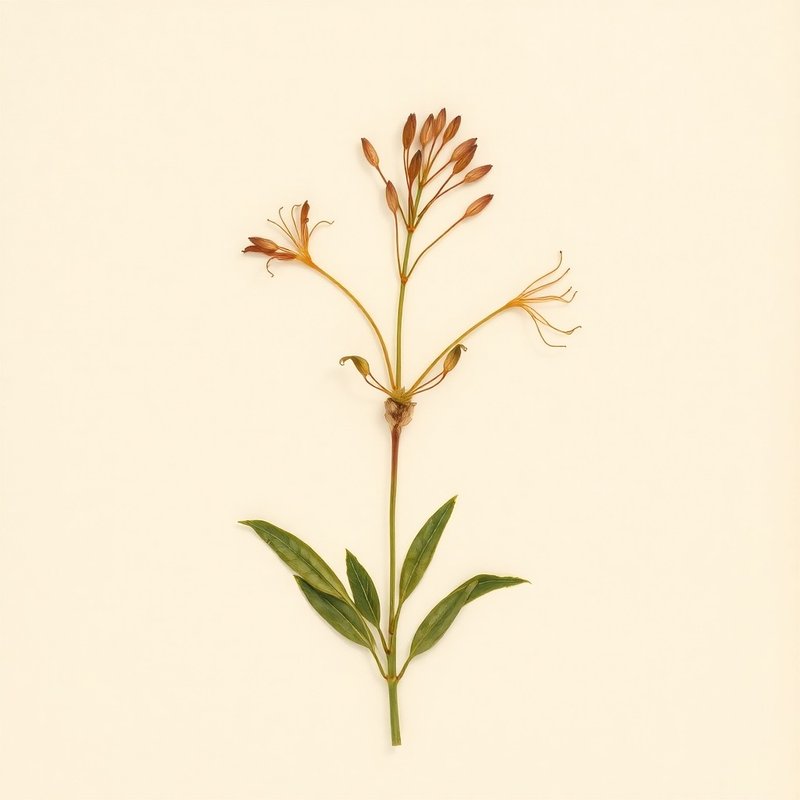
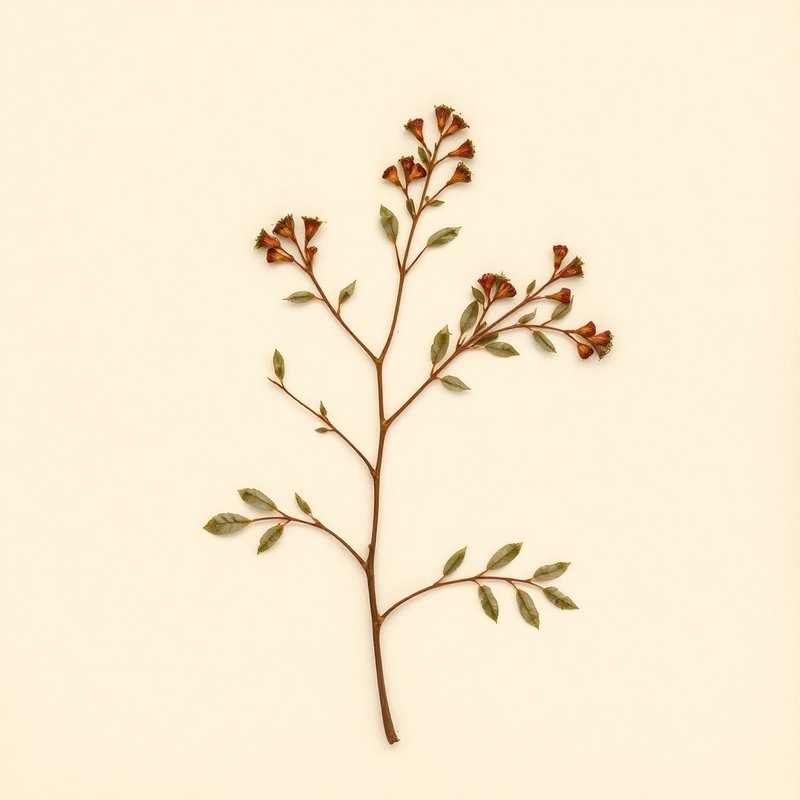
8 relatedPlants you might compare or use together — scored by shared family, common use cases, and growing requirements.

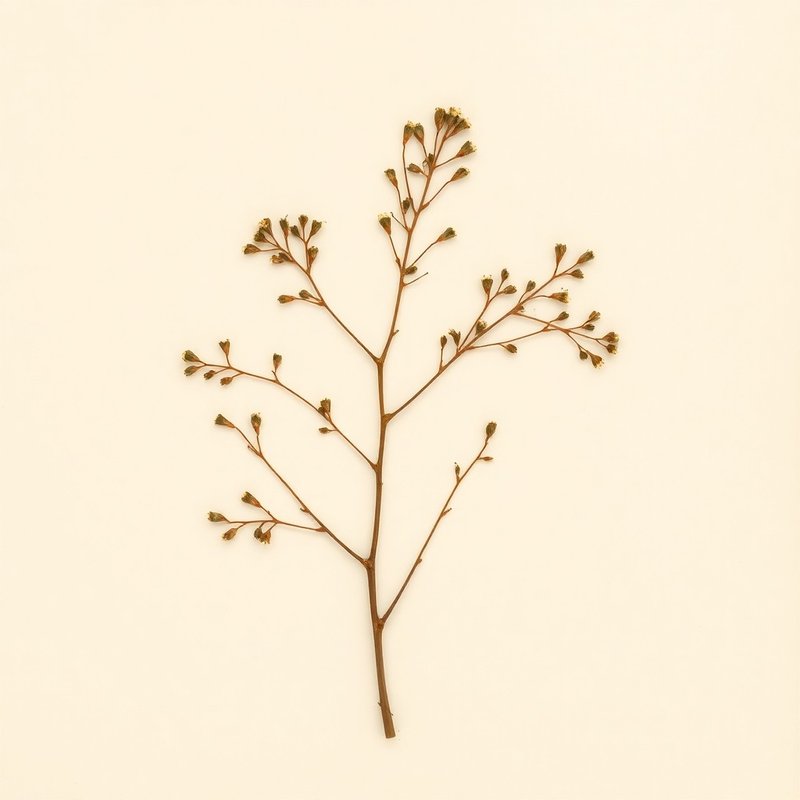
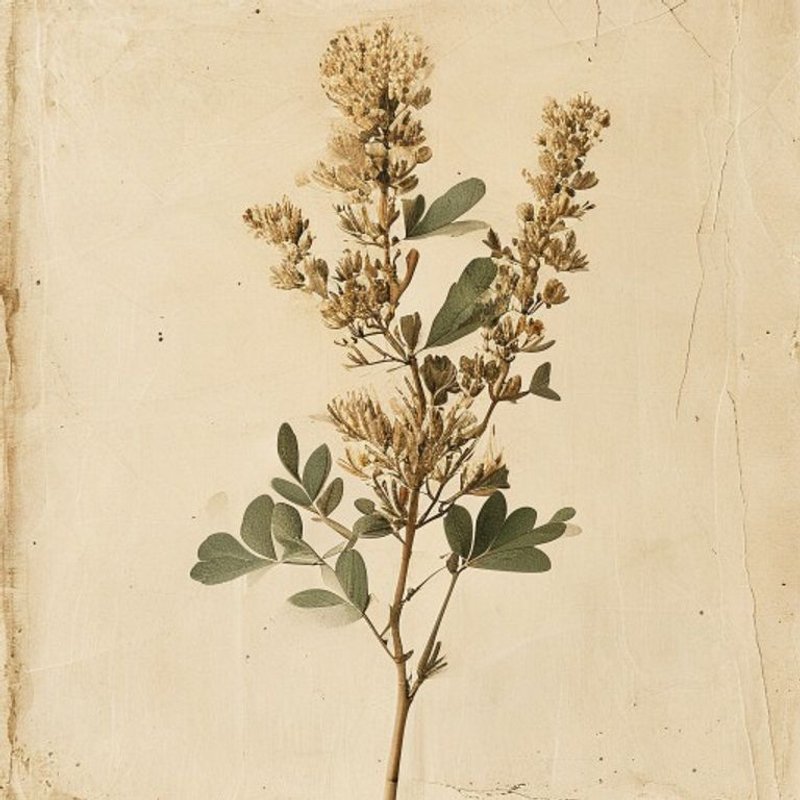
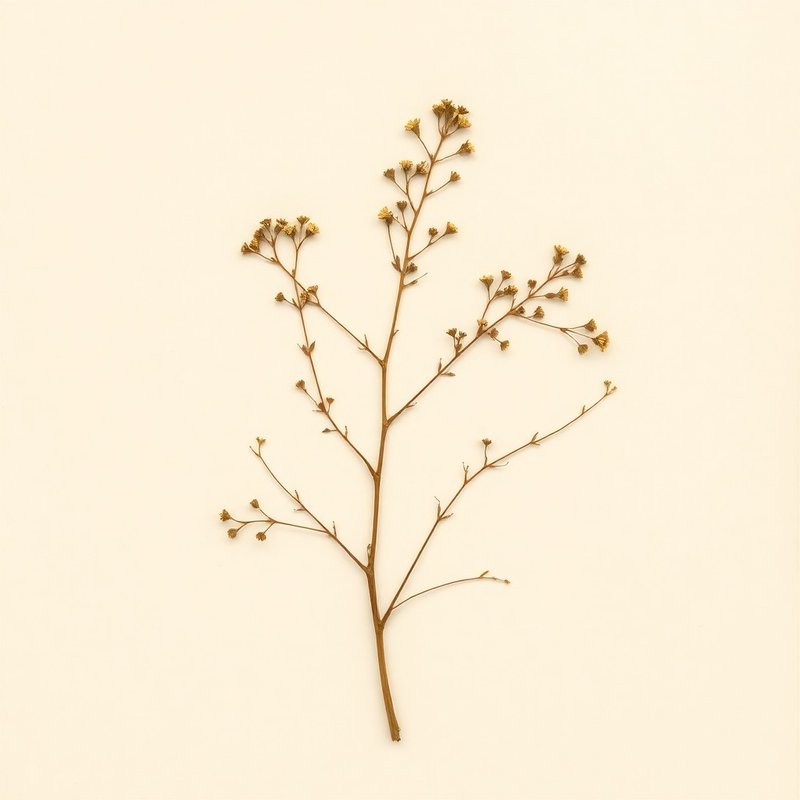

Explore further
About this entry
- Last updated
- Citation
- How to cite this entry · Submit a correction
Continue reading
Primește digest-ul săptămânal
Un email curat pe săptămână — profile noi de plante, note sezoniere de cultivare, adăugiri în arhiva de remedii. Gratuit, fără tracking, dezabonare oricând.