
Ulmus macrocarpa
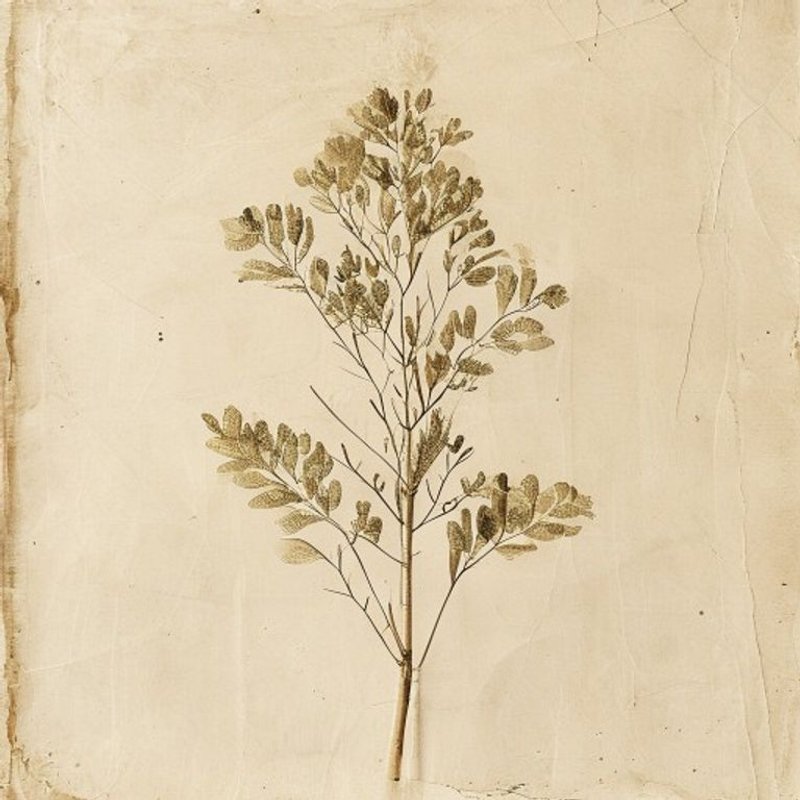
IPrezentare
Prezentare
Ulmus macrocarpa, cunoscută sub numele de șoareci chinezesc sau șoareci din Mančuria, este un arbore decidu. În origină din regiuni ale Chinei și Rusiei, inclusiv Inner Mongolia, Coreea și Mančuria, acest arbore se adaptează la diverse tipuri de suoli - liniștit săpător, mediu și greu de clai - preferând expunerea parțială de soare sau totală. Este tolerabil în condiții ușoare, dar crește bine și în sucoli umidi. Foarte rezistent la zonele 4-8, acest șoarec atingă o înălțime de aproximativ 10 metri. De asemenea, este atât ornamental cât și consumabil; fructele și lângurile sale sunt considerate părți consumabile, făcându-l un adăugare versatilă la landscape-urile și garden-urile în climile potrivite.
What is Ulmus macrocarpa?
Ulmus macrocarpa, cunoscută sub numele de șoareci chinezesc sau șoareci din Mančuria, este un arbore decidu.
What is Ulmus macrocarpa used for?
Traditionally used for digestion. Each claim is evidence-rated — see Section II for full citations.
IIBeneficii și dovezi
1 claim · traditional-use context
Beneficii și dovezi
1 claim · traditional-use context- Ulmus macrocarpa is traditionally used in Chinese medicine to aid digestion, often prepared as a decoction. It may help soothe the digestive tract and alleviate discomfort.
The mechanism is not fully characterised but may involve compounds such as mucilage that can provide soothing effects on the gastrointestinal lining.
▲ ModerateDigestion →
IV·bMixology suggestions
1 draft
Mixology suggestions
1 draftVCultivare
Cultivare
How to grow Ulmus macrocarpa for the first time
Start with planting Ulmus macrocarpa in a beginner-friendly environment.
- 1
What you'll need
A young Ulmus macrocarpa sapling, well-draining soil, and a garden trowel.
- 2
Best time to plant
Plant in early spring or late fall when the ground is not frozen.
- 3
Soil and container prep
Ensure the soil is well-draining with a pH between 6.0 and 7.5, and prepare a hole twice as wide but no deeper than the root ball.
- 4
Sowing or transplanting
Transplant the sapling carefully, ensuring the roots are not damaged during the process.
- 5
First two weeks
Water the tree regularly to keep the soil moist but not waterlogged. Monitor for any signs of stress or pests.
- 6
Ongoing care
Provide full sun to partial shade, and water deeply once a week depending on weather conditions. Fertilize in early spring with a balanced fertilizer.
- 7
Harvest or pruning
Prune the tree annually to maintain its shape and remove any dead or diseased branches.
VIEdible & utility
Edible & utility
VIIDistribuție
10 native · 0 introduced
Distribuție
10 native · 0 introducedIXSpecimen gallery
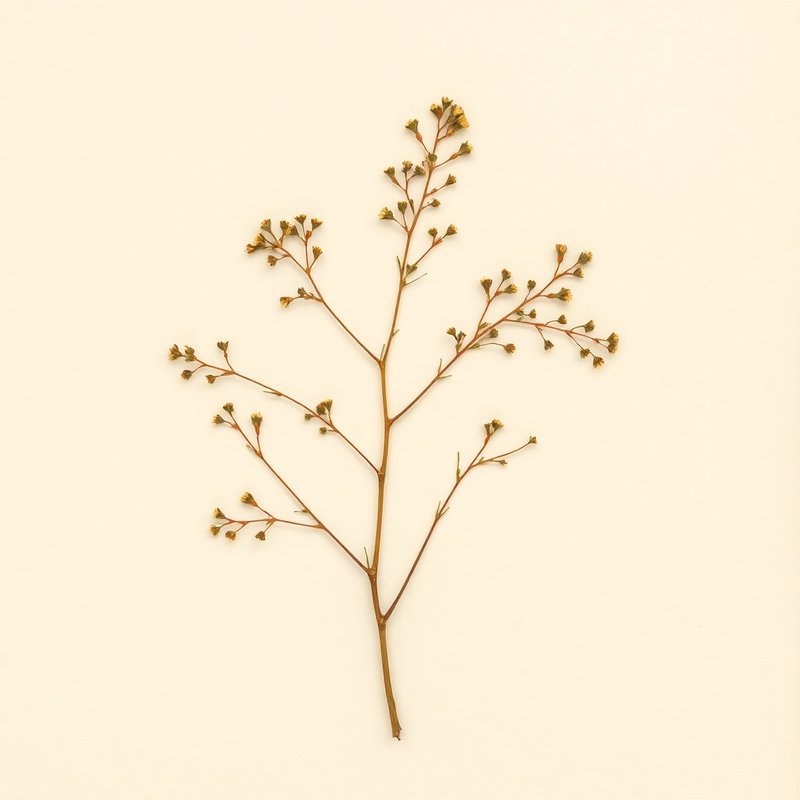
1 image
Specimen gallery
1 imageXSee also
8 related
See also
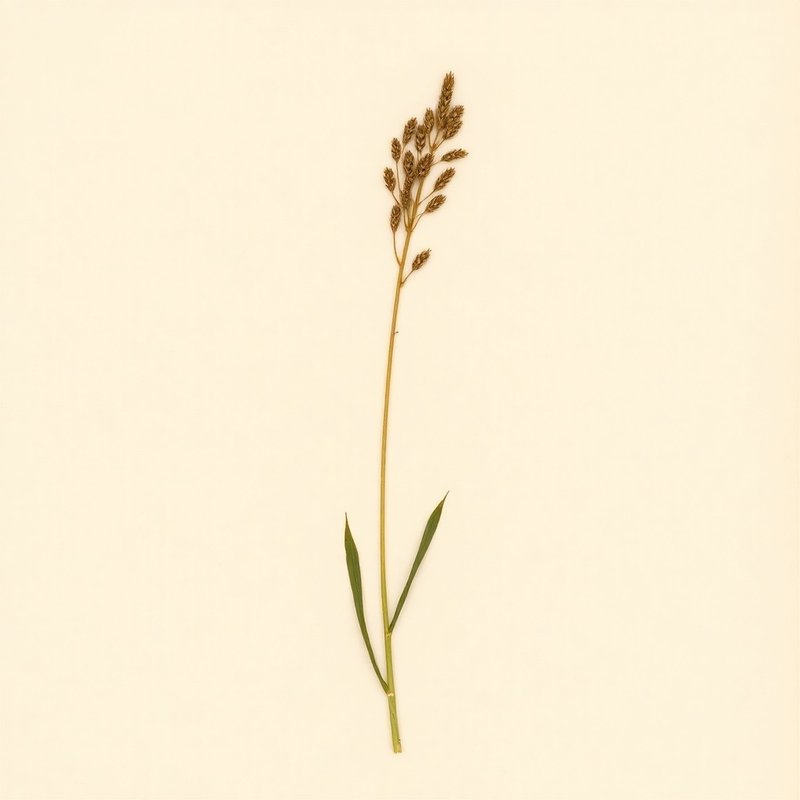
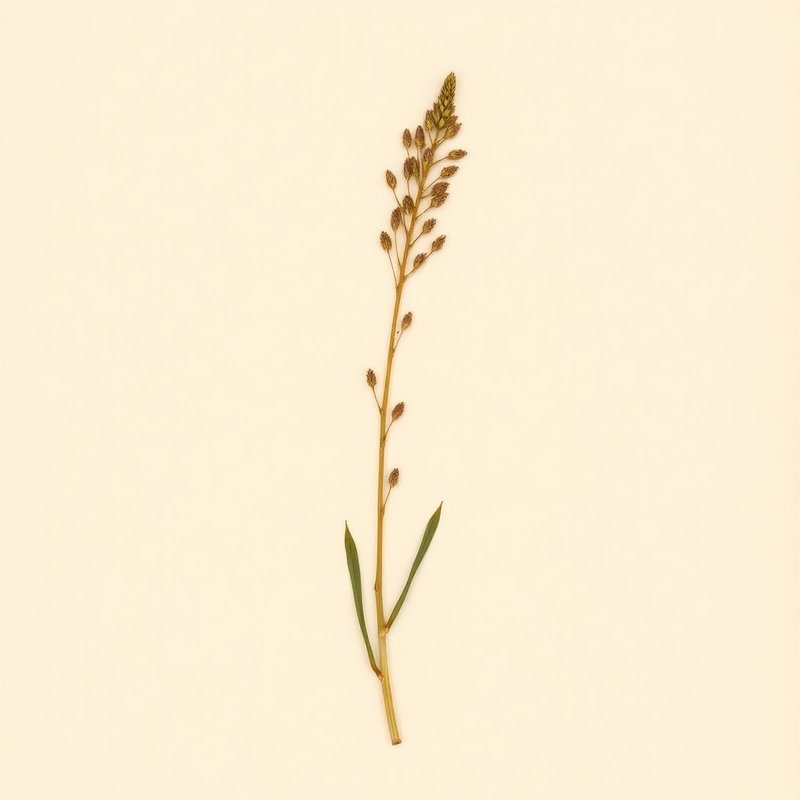
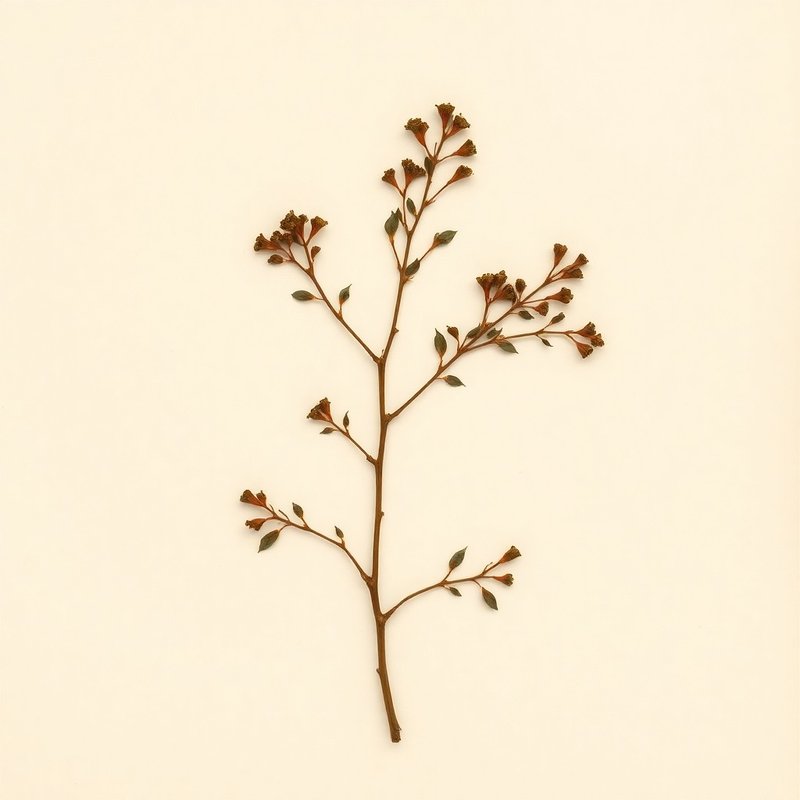
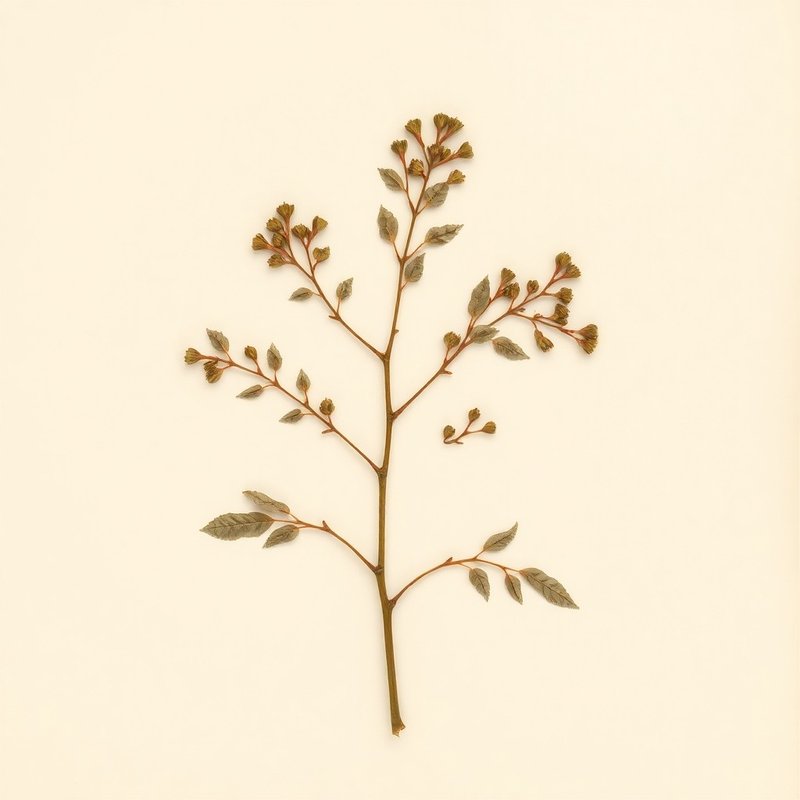
8 relatedPlants you might compare or use together — scored by shared family, common use cases, and growing requirements.
Explore further
About this entry
- Last updated
- Citation
- How to cite this entry · Submit a correction
Continue reading
Primește digest-ul săptămânal
Un email curat pe săptămână — profile noi de plante, note sezoniere de cultivare, adăugiri în arhiva de remedii. Gratuit, fără tracking, dezabonare oricând.