
Stinging nettle

IPrezentare
Prezentare
Urtica breweri este o herbară perenicolă nativă din vestul Statelor Unite și nord-vestul Meksico. Găsită în Arizona, California, Colorado, Idaho, Montana, Nevada, Noua Mexic, Oregon, Utah, Washington și Wyoming, această plantă se dezvolte în mediile umide cu expozție la lumină parțială sau semischimburată. Cunoscut pentru frunzele și creșterile sănătoase sale consumabile, Urtica breweri este o resursă valabilă pentru forageri. Un caracteristică distinctivă a Urtica breweri este capacitatea sa de a crește până la 1 metru în înălțime, făcându-l un presență notabilă în habitatul său. Adaptabilitatea sa la diverse tipuri de sol - liniștit, mediu sau greu (argil) - îi permite să se dezvolte pe diverse pământuri.
What is Stinging nettle?
Urtica breweri este o herbară perenicolă nativă din vestul Statelor Unite și nord-vestul Meksico. Găsită în Arizona, California, Colorado, Idaho, Montana, Nevada, Noua Mexic, Oregon, Utah, Washington și Wyoming, această plantă se dezvolte în mediile umide cu expozție la lumină parțială sau semischimburată.
What is Stinging nettle used for?
Traditionally used for immune support. Each claim is evidence-rated — see Section II for full citations.
IIBeneficii și dovezi
1 claim · traditional-use context
Beneficii și dovezi
1 claim · traditional-use context- Stinging nettle has been traditionally used in European and Native American medicine to support immune health, often prepared as a tea or decoction. It may help maintain healthy inflammatory responses.
The plant contains compounds like quercetin and histamine which can modulate the body's response to allergens and inflammation, though the exact mechanism is not fully characterised.
▲ ModerateImmune support →
IV·bMixology suggestions
1 draft
Mixology suggestions
1 draftVCultivare
Cultivare
How to grow Stinging nettle for the first time
Start with a simple, low-maintenance approach to growing stinging nettle.
- 1
What you'll need
A garden spot or container, gloves, and pruning shears.
- 2
Best time to plant
Plant in spring after the last frost or in early fall.
- 3
Soil and container prep
Choose a location with moist soil that can be light (sandy), medium, or heavy (clay). Ensure good drainage if using containers.
- 4
Sowing or transplanting
Direct sow seeds in the ground or start seedlings indoors and transplant them later.
- 5
First two weeks
Keep soil consistently moist. Monitor for pests and diseases, treating as needed with water or handpicking.
- 6
Ongoing care
Water regularly to keep soil moist but not soggy. Prune back after flowering to encourage new growth.
- 7
Harvest or pruning
Prune or harvest leaves and shoots in early spring before the plant flowers for best flavor.
- 8
Common mistakes
Overwatering, planting in too sunny a spot, not wearing gloves when handling, and neglecting to prune after flowering.
VIEdible & utility
Edible & utility
VIIDistribuție
12 native · 0 introduced
Distribuție
12 native · 0 introducedIXSpecimen gallery
1 image
Specimen gallery
1 imageXSee also
8 related
See also
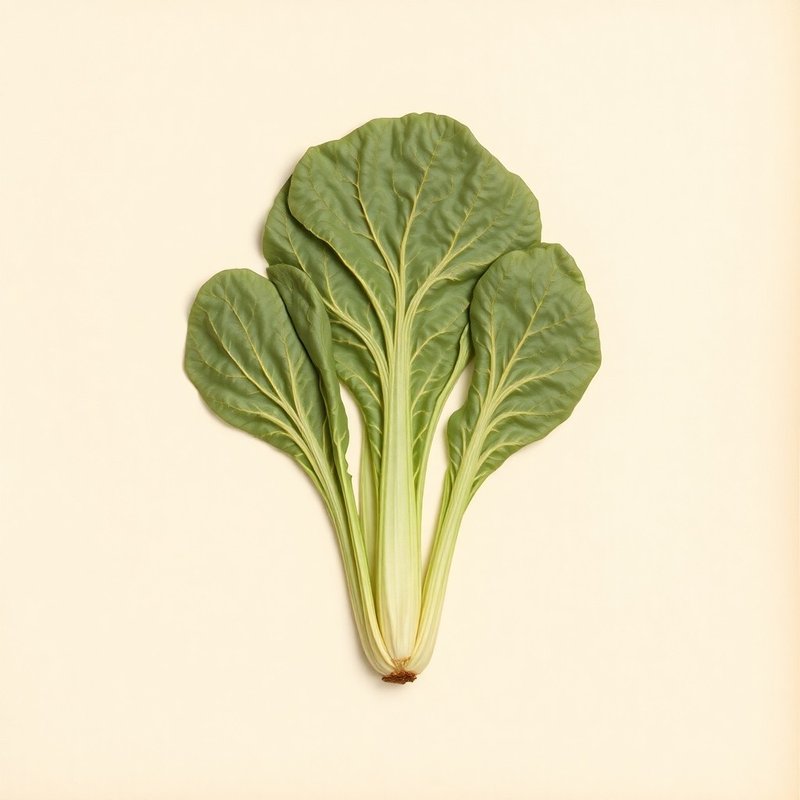
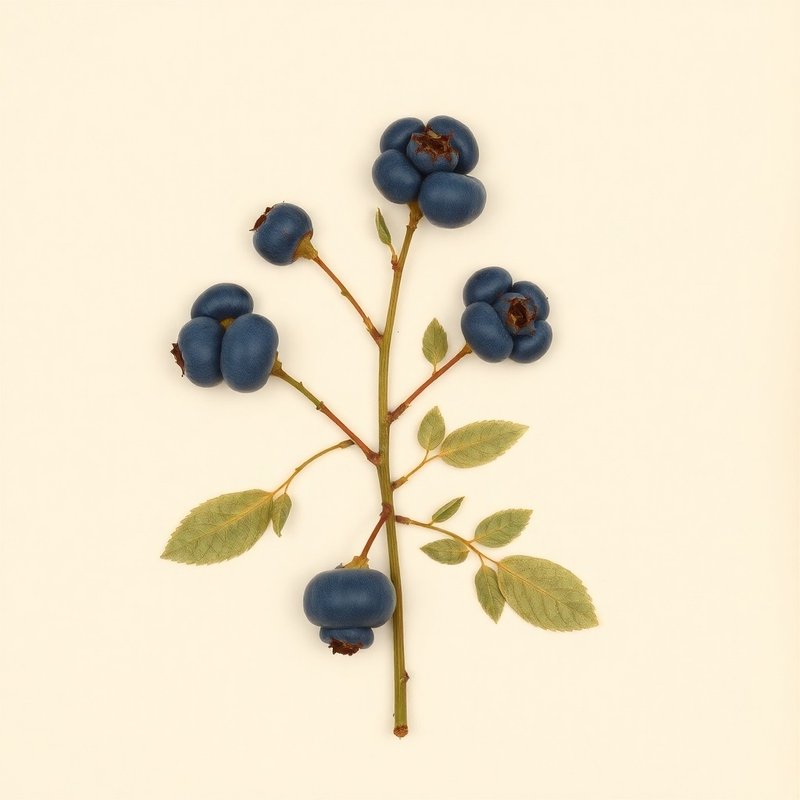
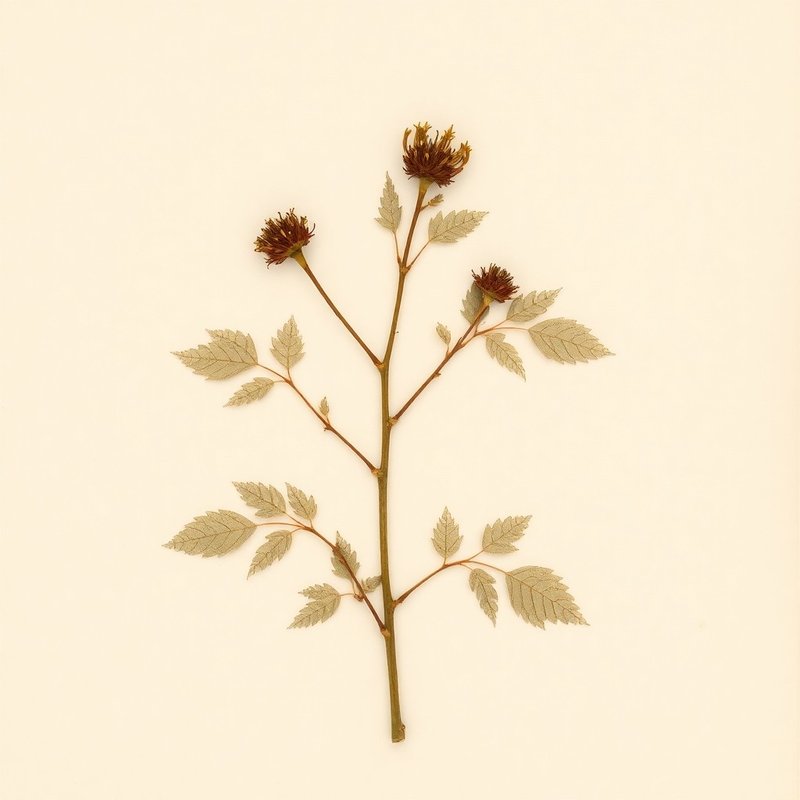
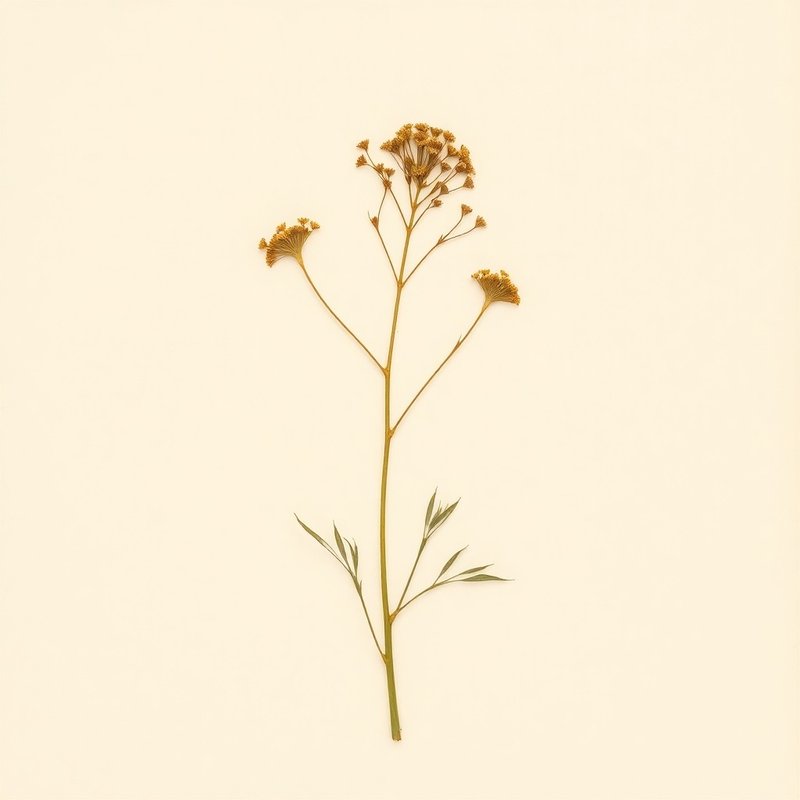
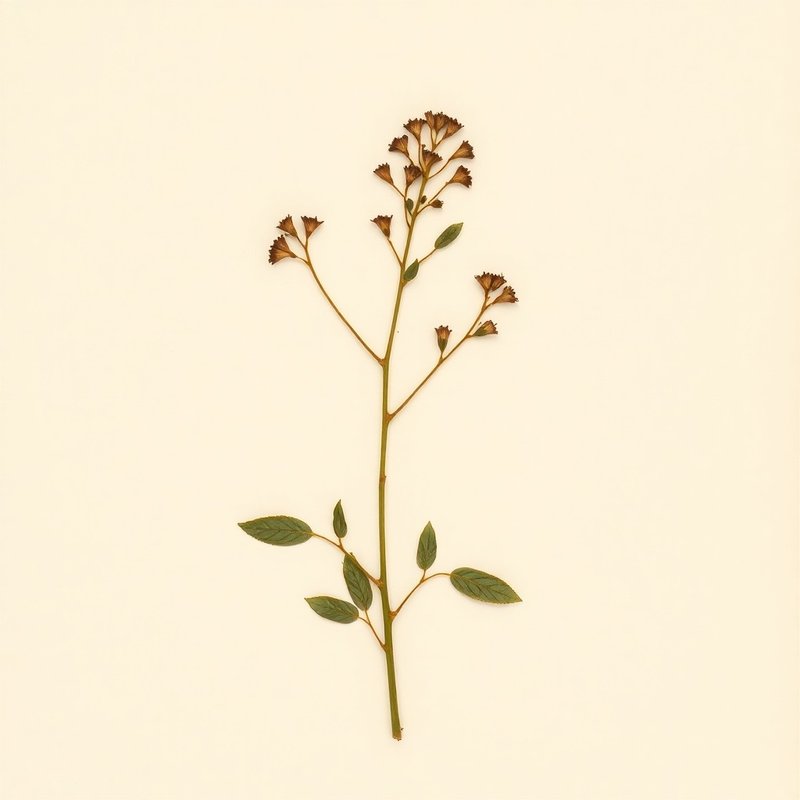
8 relatedPlants you might compare or use together — scored by shared family, common use cases, and growing requirements.

Explore further
About this entry
- Last updated
- Citation
- How to cite this entry · Submit a correction
Continue reading
Primește digest-ul săptămânal
Un email curat pe săptămână — profile noi de plante, note sezoniere de cultivare, adăugiri în arhiva de remedii. Gratuit, fără tracking, dezabonare oricând.