
Vaccinium parvifolium
IPrezentare
Prezentare
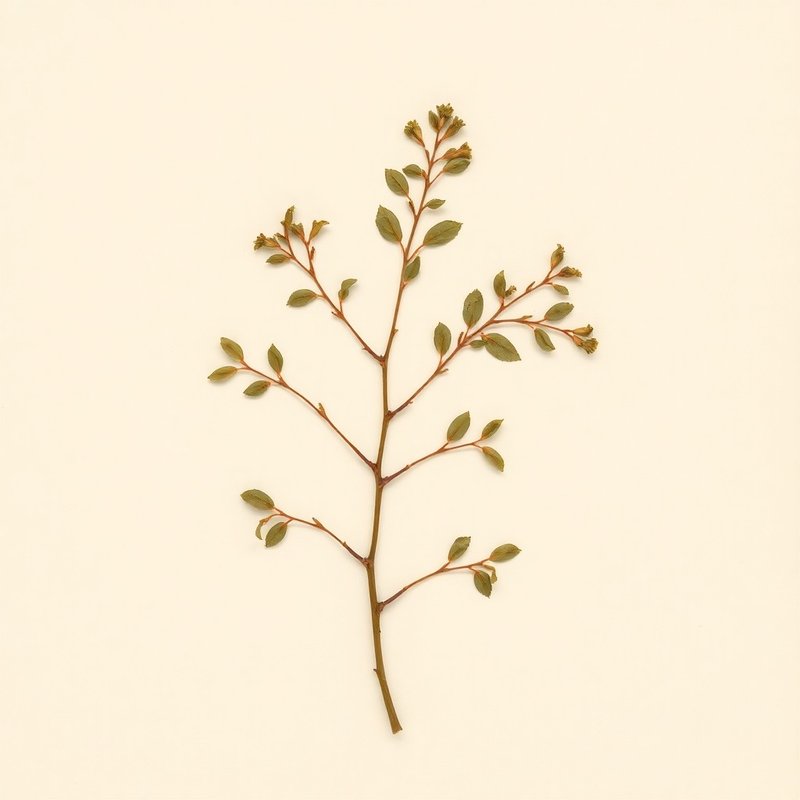
Vaccinium parvifolium, cunoscut sub numele de bezeaua mică sau miereu mic-lejei, este un arbore pereniu nativ din zonele costiere din Alaska până în California și peste la BC și Washington. Această plantă se dezvoltă în soluri umide, bine aeriate cu pH între 5 și 7,5, găsită adesea în soiuri ușoare (sandy) sau medii. Prefere expozția parțială la soare până la expozție completă de soar și poate crește până la 1,8 m în înălțime cu o distribuție de aproximativ 1 m. Fructul este consumabil, făcându-l un resursă valoroasă pentru forajeri și gardieni la fel ca și pentru cultură. Un caracteristică distinctivă este lângăfiri verzi scurte, care se contrazic bine cu bezele sale albastre.
What is Vaccinium parvifolium?
Vaccinium parvifolium, cunoscut sub numele de bezeaua mică sau miereu mic-lejei, este un arbore pereniu nativ din zonele costiere din Alaska până în California și peste la BC și Washington. Această plantă se dezvoltă în soluri umide, bine aeriate cu pH între 5 și 7,5, găsită adesea în soiuri ușoare (sandy) sau medii.
What is Vaccinium parvifolium used for?
Traditionally used for digestion, immune support. Each claim is evidence-rated — see Section II for full citations.
IIBeneficii și dovezi
2 claims · traditional-use context
Beneficii și dovezi
2 claims · traditional-use context- Vaccinium parvifolium has been traditionally used in Native American medicine to aid digestion. Its astringent properties may help soothe the digestive tract and alleviate minor gastrointestinal discomfort.
The berries contain tannins which have astringent effects that can help reduce inflammation and irritation in the gut lining, though specific mechanisms are not fully understood.
▲ ModerateDigestion → - Vaccinium parvifolium, like other Vaccinium species, has been traditionally used in Native American medicine to support immune health. Its antioxidant properties may help protect against oxidative stress and inflammation.
The berries contain anthocyanins which have potent antioxidant activity that can neutralize free radicals and reduce oxidative damage. However, the specific mechanism for immune modulation is not fully characterized.
▲ ModerateImmune support →
IV·bMixology suggestions
1 draft
Mixology suggestions
1 draftVCultivare
Cultivare
How to grow Vaccinium parvifolium for the first time
Start with a simple, low-maintenance shrub that thrives in partial sun and moist soil.
- 1
What you'll need
Vaccinium parvifolium plants or seeds.
- 2
Best time to plant
Plant in spring or fall when the weather is cooler.
- 3
Soil and container prep
Ensure soil is well-draining, slightly acidic (pH 5-7.5), and rich in organic matter.
- 4
Sowing or transplanting
Transplant young plants from a nursery or sow seeds directly into the ground after preparing the soil.
- 5
First two weeks
Water regularly to keep the soil moist, but avoid overwatering. Monitor for pests and diseases.
- 6
Ongoing care
Provide partial sun with some shade during hot afternoons. Water when the top inch of soil feels dry.
- 7
Harvest or pruning
Prune in late winter to early spring before new growth starts, and harvest fruit when ripe.
- 8
Common mistakes
Overwatering, planting in full sun, using incorrect soil pH, neglecting regular pruning, and not providing enough shade during hot weather.
VIEdible & utility
Edible & utility
VIIDistribuție
5 native · 0 introduced
Distribuție
5 native · 0 introducedIXSpecimen gallery
1 image
Specimen gallery
1 imageXSee also
8 related
See also
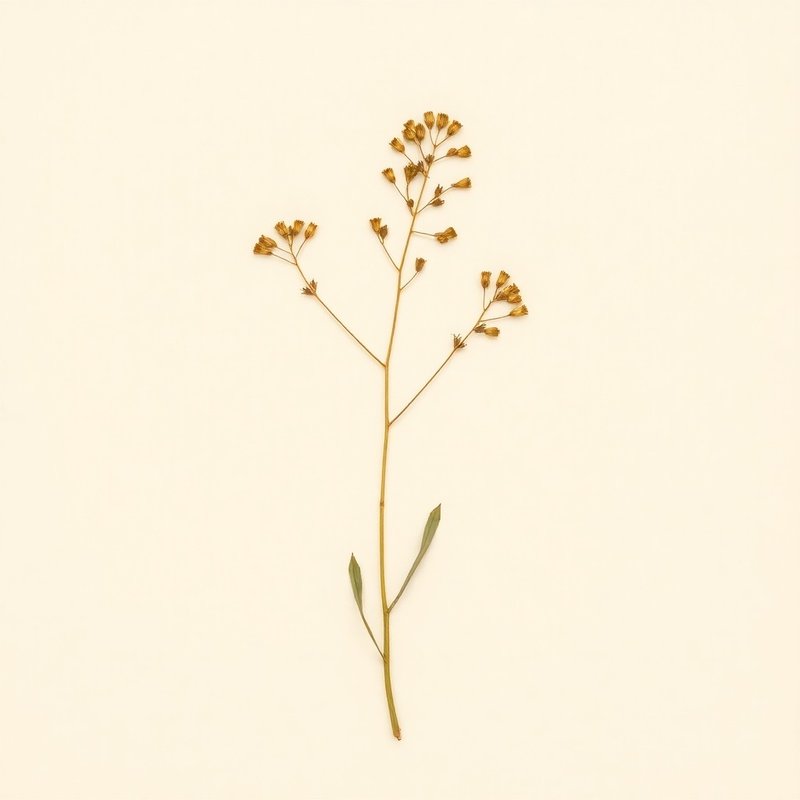
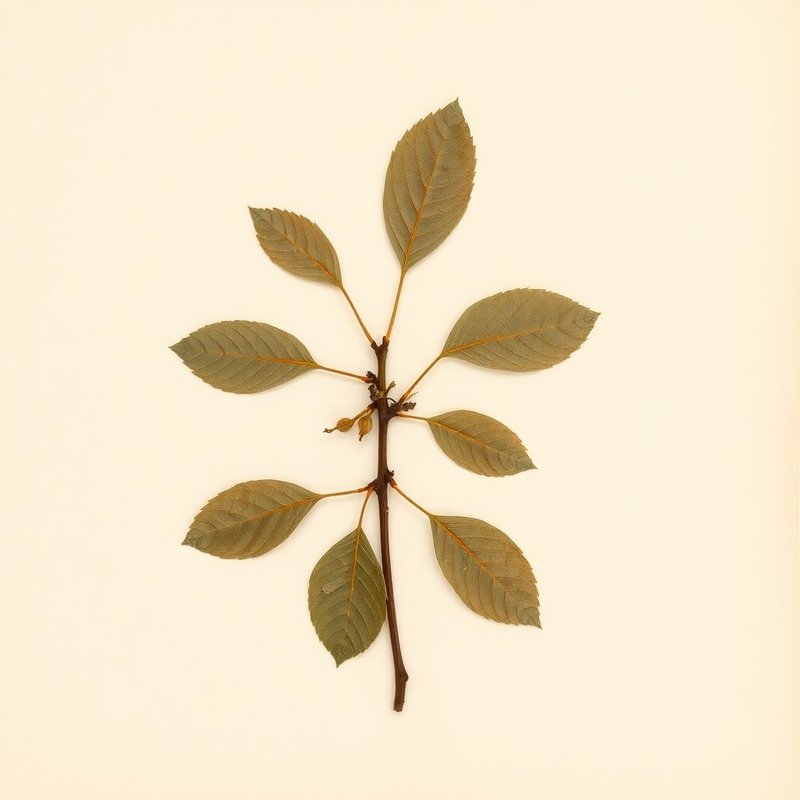
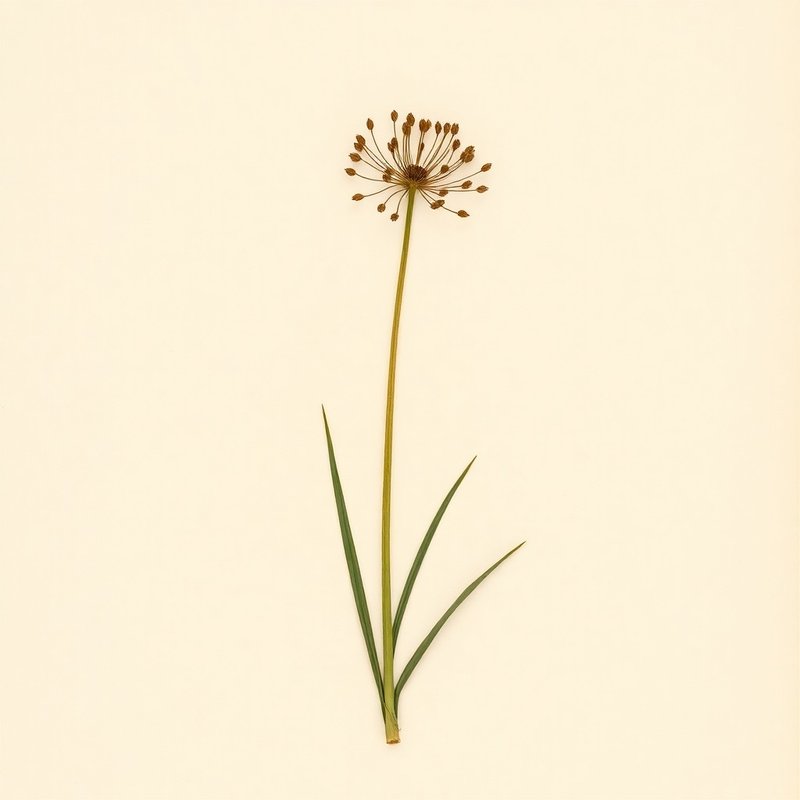
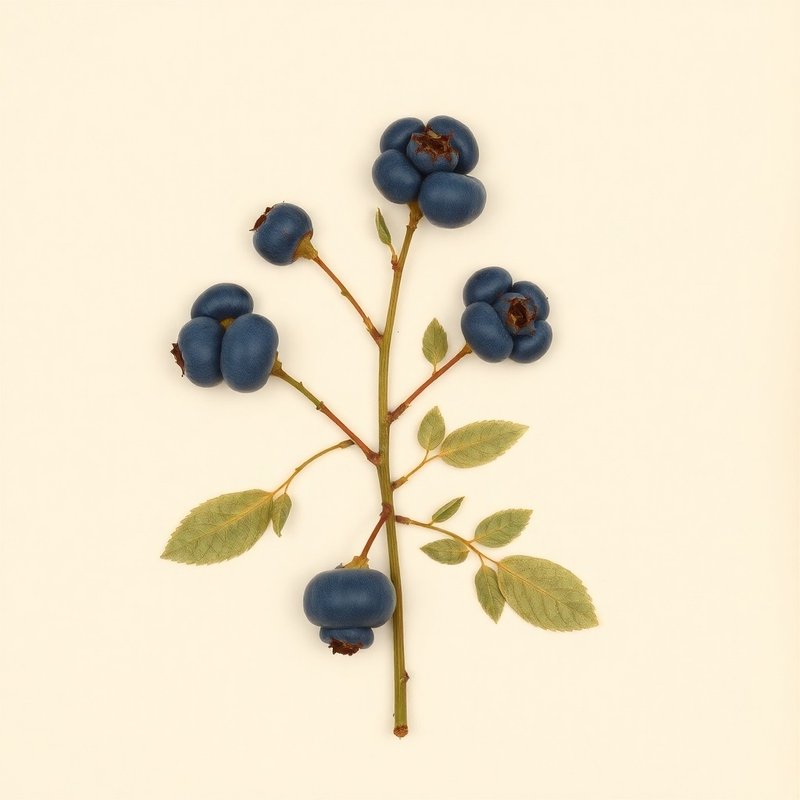
8 relatedPlants you might compare or use together — scored by shared family, common use cases, and growing requirements.

Explore further
About this entry
- Last updated
- Citation
- How to cite this entry · Submit a correction
Continue reading
Primește digest-ul săptămânal
Un email curat pe săptămână — profile noi de plante, note sezoniere de cultivare, adăugiri în arhiva de remedii. Gratuit, fără tracking, dezabonare oricând.