
Viburnum furcatum
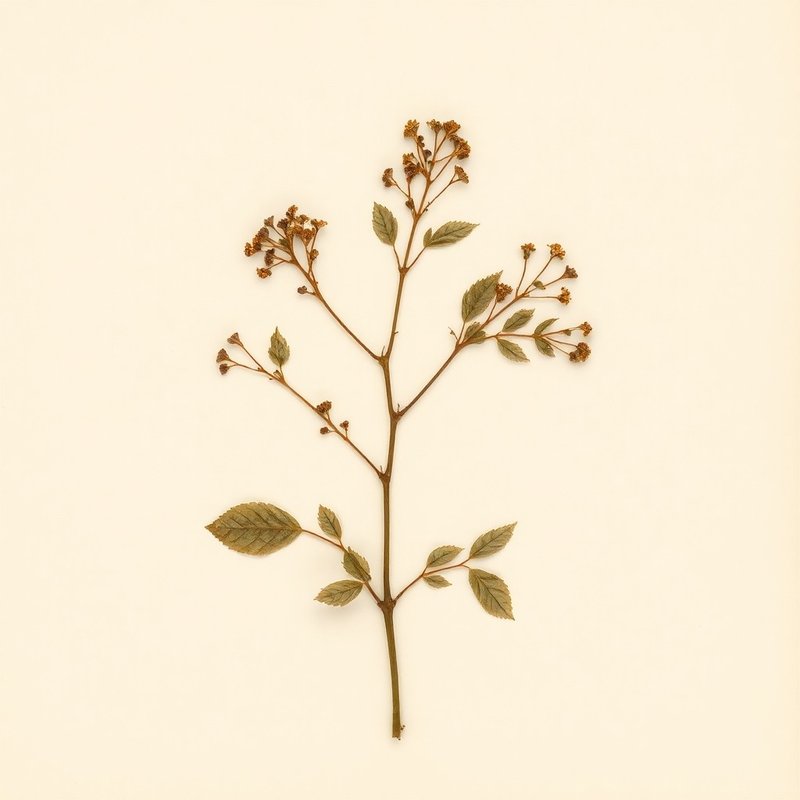
IPrezentare
Prezentare
Viburnum furcatum, cunoscut sub numele de sfântină japoneză, este un arbust decidu. Este nativ din Japonia, Coreea, Insulele Kuril și Sakhalin. Thrives în parte de soare sau umbra și preferă sustrat umed care poate fi lichid (sândal), mediu sau greu (argila). Hardy din zonele 5-9, acest plant crește până la 3,5 metri înălțime. Este valorificat atât pentru valoarea ornamentală, cât și pentru fructele sale comestibile. Proprietățile medicinale ale Viburnum furcatum sunt recunoscute, făcându-l o adăugare versatilă în gardeni, atât în zona sa nativă, cât și în alte zone. Un caracter distinctiv al Viburnum furcatum este frunzele verzi lichide care se schimbă în roșu-violet în toamnă, complementate de grupe de floare albă mică în primăvară urmate de merei negre-violete în vară.
What is Viburnum furcatum?
Viburnum furcatum, cunoscut sub numele de sfântină japoneză, este un arbust decidu. Este nativ din Japonia, Coreea, Insulele Kuril și Sakhalin. Thrives în parte de soare sau umbra și preferă sustrat umed care poate fi lichid (sândal), mediu sau greu (argila).
What is Viburnum furcatum used for?
Traditionally used for stress & anxiety, digestion. Each claim is evidence-rated — see Section II for full citations.
IIBeneficii și dovezi
2 claims · traditional-use context
Beneficii și dovezi
2 claims · traditional-use context- Traditional-use note: Viburnum furcatum appears in herbal sources around calming and relaxation traditions, often as a tincture. PlantSage presents this as ethnobotanical context, not as medical advice.
Traditional context only. This reviewed claim keeps the original moderate confidence level, but avoids treatment, disease, dosage, or guaranteed-effect language.
▲ ModerateStress & anxiety → - Viburnum furcatum has been traditionally used in East Asian medicine for digestive issues, such as bloating and cramping. A decoction of the fruit is commonly prepared to support gastrointestinal health.
The mechanism by which Viburnum furcatum supports digestion is not fully characterised but may involve compounds that interact with gut motility or reduce inflammation in the digestive tract.
▲ ModerateDigestion →
IV·bMixology suggestions
2 drafts
Mixology suggestions
2 draftsVCultivare
Cultivare
How to grow Viburnum furcatum for the first time
Start with planting Viburnum furcatum in a beginner-friendly environment.
- 1
What you'll need
A young Viburnum furcatum plant, garden gloves, and a trowel.
- 2
Best time to plant
Plant Viburnum furcatum in early spring or late fall when the weather is cooler.
- 3
Soil and container prep
Ensure the soil is well-draining with a pH between 6.0 and 7.5, and prepare a hole twice as wide but not deeper than the root ball.
- 4
Sowing or transplanting
Transplant young Viburnum furcatum from a container into your garden bed, making sure the top of the root ball is level with the soil surface.
- 5
First two weeks
Water the plant thoroughly after planting and keep the soil moist but not waterlogged during this period.
- 6
Ongoing care
Provide partial sun to shade, regular watering, and mulch around the base to retain moisture and suppress weeds.
- 7
Harvest or pruning
Prune Viburnum furcatum in late winter before new growth starts to maintain its shape and remove any dead branches.
VIEdible & utility
Edible & utility
VIIDistribuție
4 native · 0 introduced
Distribuție
4 native · 0 introducedIXSpecimen gallery
1 image
Specimen gallery
1 imageXSee also
8 related
See also
8 relatedPlants you might compare or use together — scored by shared family, common use cases, and growing requirements.


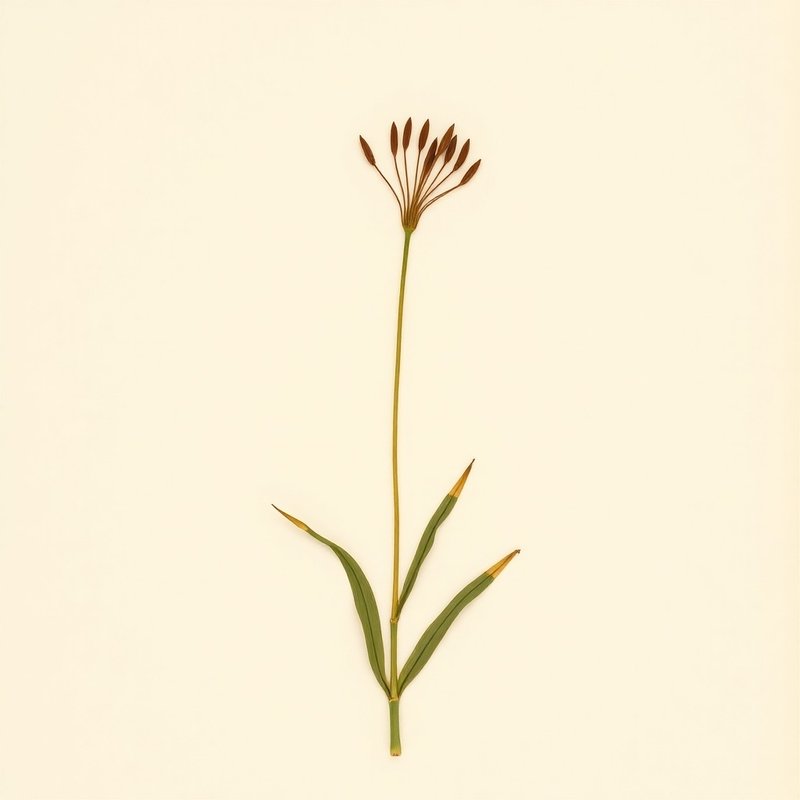
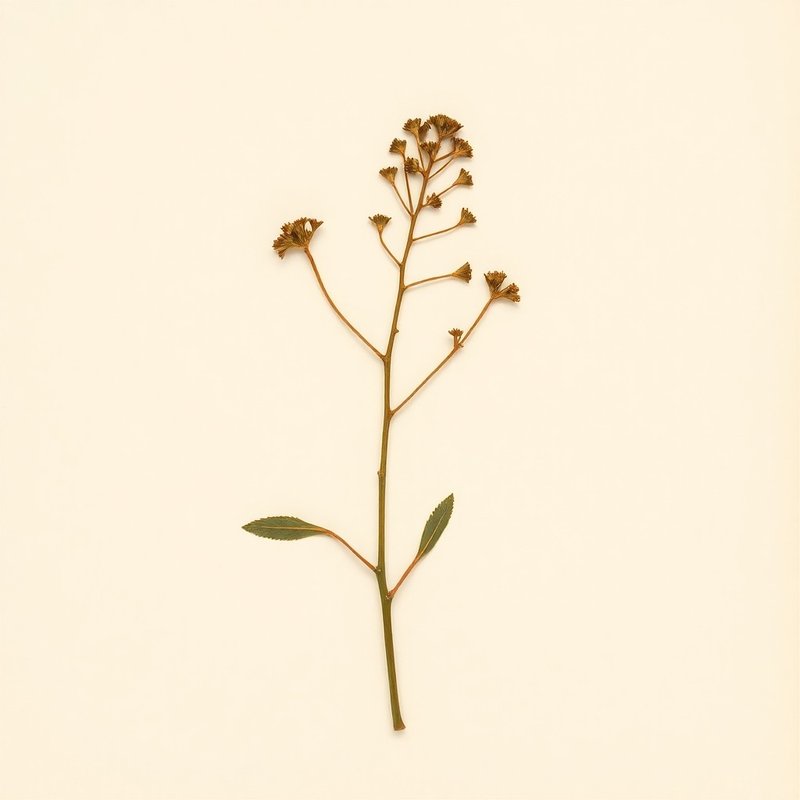
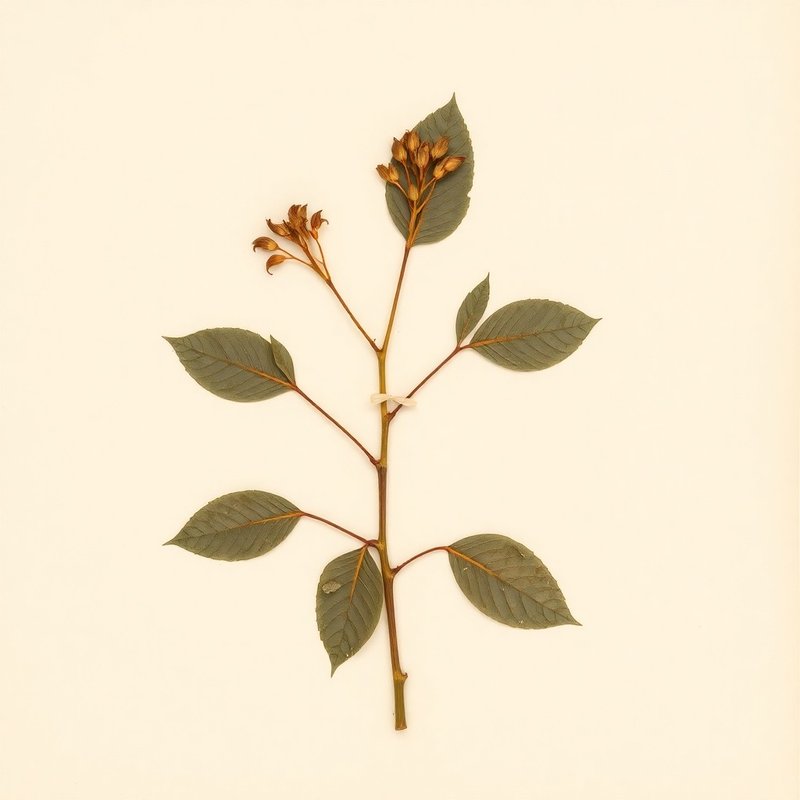
Explore further
About this entry
- Last updated
- Citation
- How to cite this entry · Submit a correction
Continue reading
Primește digest-ul săptămânal
Un email curat pe săptămână — profile noi de plante, note sezoniere de cultivare, adăugiri în arhiva de remedii. Gratuit, fără tracking, dezabonare oricând.