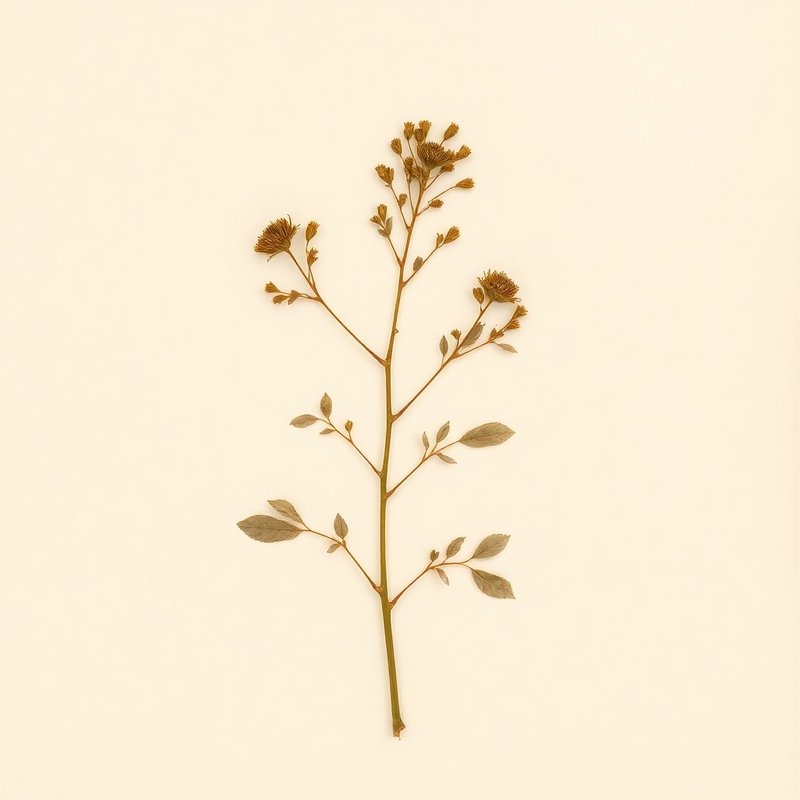
SIDE A
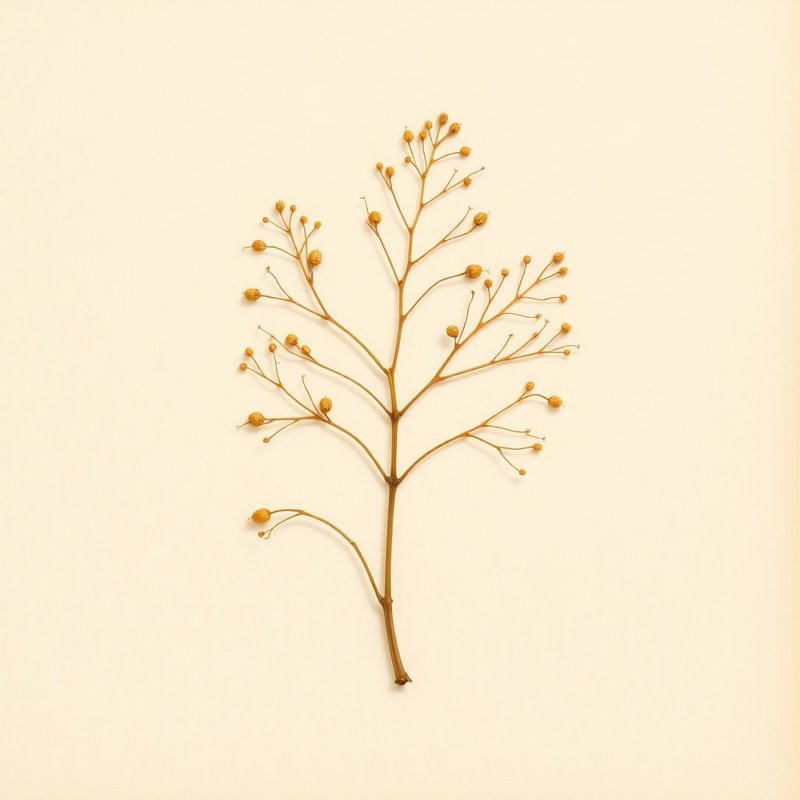
Agar Wood
Aquilaria malaccensis
ediblemedicinal
Traditionally used in Ayurveda and Traditional Chinese Medicine, Agar Wood supports immune health through its antimicrobial properties. It is often prepared as a decoction or incense.
Cinchona species have been traditionally used in South American medicine for supporting the immune system, often prepared as a decoction. The bark contains quinine and other alkaloids that may help modulate inflammatory responses.
Traditional-use note: Agar Wood appears in herbal sources around calming and relaxation traditions, often as a aromatherapy. PlantSage presents this as ethnobotanical context, not as medical advice.
Traditional-use note: Huannco appears in herbal sources around calming and relaxation traditions, often as a tea. PlantSage presents this as ethnobotanical context, not as medical advice.
Huannco has the stronger documented effect (moderate confidence vs moderate for Agar Wood). Both work; this one has more clinical backing.
Huannco has the stronger documented effect (moderate confidence vs moderate for Agar Wood). Both work; this one has more clinical backing.
Agar Wood (Aquilaria malaccensis) and Huannco (Cinchona micrantha) belong to different botanical families. See the side-by-side table above for cultivation needs, edible parts, and medicinal uses.
Huannco has stronger documented evidence for Immune support. See the "Both used for same goals" section for cited statements from each.
Plant combinations should be evaluated case by case. Check the safety/contraindications section on each plant's profile (Agar Wood and Huannco) before mixing. Some combinations are synergistic, others can interact with medication.
Every plant profile includes a Cautions section with contraindications, drug interactions, and population warnings. Consult a healthcare professional before using either for medicinal purposes.
Occasional email when substantial new content lands — plant profiles, seasonal growing notes, folk-remedy additions. Free, no tracking, unsubscribe anytime.