
Balsam Fir
Abies balsamea
Educational content — not medical, botanical, or professional advice. Always consult a qualified clinician before using any herbal preparation — especially during pregnancy, breastfeeding, while on medication, or for children. How we source & review →
Pl. 1E9F — Abies balsamea
Abies balsameaAbies balsameaAbies balsameaAbies balsameaAbies balsameaAbies balsameaAbies balsameaAbies balsameaAbies balsameaAbies balsameaAbies balsameaAbies balsameaAbies balsameaAbies balsamea
IPrezentare
Prezentare
Balsam Fir (Abies balsamea) este un arbore conifero nativ din nord-estul Americai de Nord, acoperind zonele de la Labrador și Quebec în nord până la Virginia și Wisconsin în sud. Cunoscut pentru valorile sălbatici și medicinale sale, acest arbore evergreen poate fi consumat, cu pieptul interne și trecerile mici utilizate ca surse de aliment. Înflorșează în soluri umede, luate la fel de bine răcinite, de tip linihos (sandy), medii sau grele (clay) cu un pH între 4 și 6, și poate crește până la o înălțime de 15 metri. Habitatul său include regiuni precum Alberta, Connecticut, Iowa, Maine, Massachusetts, Michigan, Minnesota, Noua Brunswick, Noua Hampshire, New York, Ontaria, Pensilvania, Îndrăzneala Edward Peisilon, Quebec, Saskatchewan, Vermont, Virginia, Vestul Virginiei și Wisconsin. Un caracteristică distinctivă este habitul sălbatic și aerat, fapt care îl face un alegere populară pentru țărmuri ornamentale și pădurile la fel de multe.
Quick answers
What is Balsam Fir?
Balsam Fir (Abies balsamea) este un arbore conifero nativ din nord-estul Americai de Nord, acoperind zonele de la Labrador și Quebec în nord până la Virginia și Wisconsin în sud.
What is Balsam Fir used for?
Traditionally used for stress & anxiety, immune support. Each claim is evidence-rated — see Section II for full citations.
Best for
Top 2 evidence-ranked uses of Balsam Fir
Clinicaluses · safety · chemistry · dosagemedicinal profile
IIBeneficii și dovezi
2 claims · 0 sources
Beneficii și dovezi
2 claims · 0 sources- Traditional-use note: Balsam Fir appears in herbal sources around calming and relaxation traditions, often as a tea. PlantSage presents this as ethnobotanical context, not as medical advice.
Traditional context only. This reviewed claim keeps the original moderate confidence level, but avoids treatment, disease, dosage, or guaranteed-effect language.
- Balsam Fir is traditionally used in North American herbalism to support the immune system, often prepared as a tea or tincture from the inner bark and shoots.
The mechanism by which Balsam Fir supports the immune system is not fully characterized but may involve the presence of terpenoids and phenolic compounds that have antimicrobial properties.
IV·bMixology suggestions
1 draft
Mixology suggestions
1 draftEditorial drafts. These pairings are AI-suggested from traditional herbal lore. Always verify with a qualified herbalist before brewing.
Respiratory Relief
immunetincture
Traditional use for respiratory support.
Growingconditions · propagation · uses
VCultivare
Cultivare
Balsam Fir se dezvolte în soluri umede, bine răcinite, de tip linihos (sandy), medii sau grele (clay) și preferă un pH între 4 și 6. Este potrivit pentru o zonă parțial îndepărtată dar poate tolera soarele complet. Plantul este durabil în zonele 3-6, fapt ce-l face potrivit pentru regiuni temperate mai frigide. Pentru propagarea, folosiți semințe sau cuturi. Părți consumabile includ pieptul interne și trecerile mici, care sunt recoltate din plantele selvice. Irrigarea regulară este esențială, în special în perioadele seci, pentru a menține nivelurile de umiditate.
Light
7/10
Water
Moist
Soil
Light (sandy), Medium, Heavy (clay)
Hardiness
3-6
Habit
Tree
Mature size
15.0 m tall
Soil pH
4–6
For first-time growers
How to grow Balsam Fir for the first time
8steps
Start with planting Balsam Fir in a well-prepared soil and follow basic care instructions for the first two years.
- 1
What you'll need
Seeds or young saplings, potting mix, garden tools.
- 2
Best time to plant
Plant in early spring or late fall when temperatures are mild.
- 3
Soil and container prep
Use a well-draining soil with a pH between 4 and 6. Ensure containers have drainage holes.
- 4
Sowing or transplanting
Transplant young saplings or sow seeds directly in the garden after danger of frost has passed.
- 5
First two weeks
Water regularly to keep soil moist but not waterlogged. Protect from strong winds and direct sunlight.
- 6
Ongoing care
Water when the top inch of soil feels dry, especially during hot weather. Fertilize once a year in early spring.
- 7
Harvest or pruning
Prune dead branches as needed to maintain tree health and shape. Harvest inner bark for medicinal use only if necessary.
- 8
Common mistakes
Overwatering, planting in too sunny a location, neglecting winter protection, using incorrect soil pH.
VIEdible & utility
Edible & utility
Edible parts:Inner barkShoots
Edible uses: Condiment, Gum, Tea
Other uses:AdhesiveFiberGumFire starterMicroscopeResintextilesWaterproofingLumberFragrance
Contextrange · companions · related
VIIDistribuție
26 native · 3 introduced
Distribuție
26 native · 3 introducedDistribution across1 continent· 26 native· 3 introduced
Europe3 regions
introduced (3)DenmarkFinlandNorway
Broader regions
native:Minnesota, Alberta, Connecticut, Iowa, Labrador, Maine, Manitoba, Maryland, Michigan, New Brunswick, New Hampshire, New Jersey, New York, Newfoundland, Nova Scotia, Ontario, Pennsylvania, Prince Edward I., Québec, Saskatchewan, Vermont, Virginia, West Virginia, Wisconsin, Masachusettes, Massachusetts
XSee also
8 related
See also
8 relatedPlants you might compare or use together — scored by shared family, common use cases, and growing requirements.
shared use cases
Different families, similar therapeutic role — good for comparing.

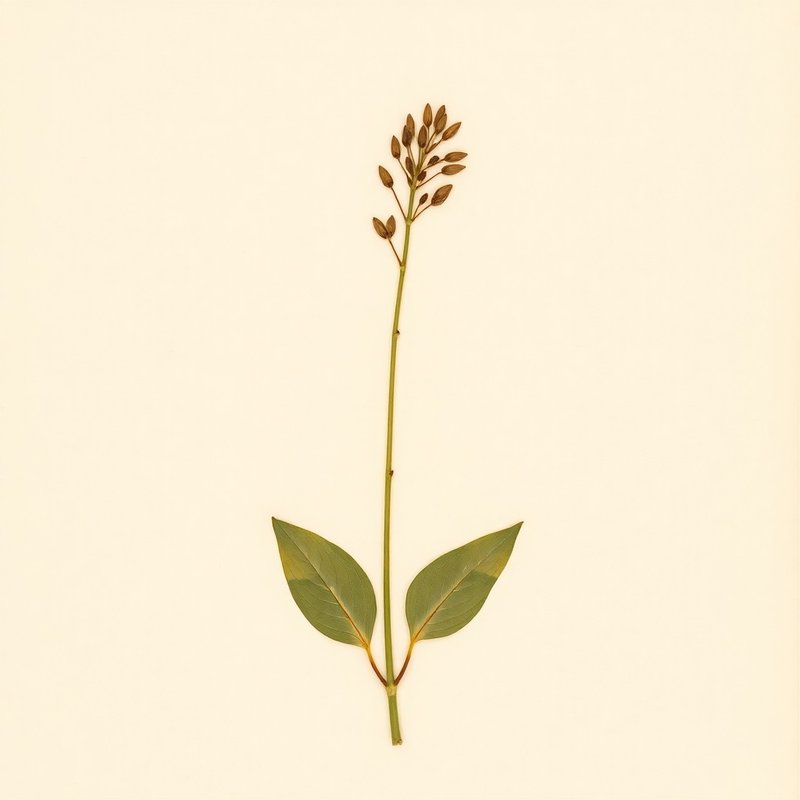
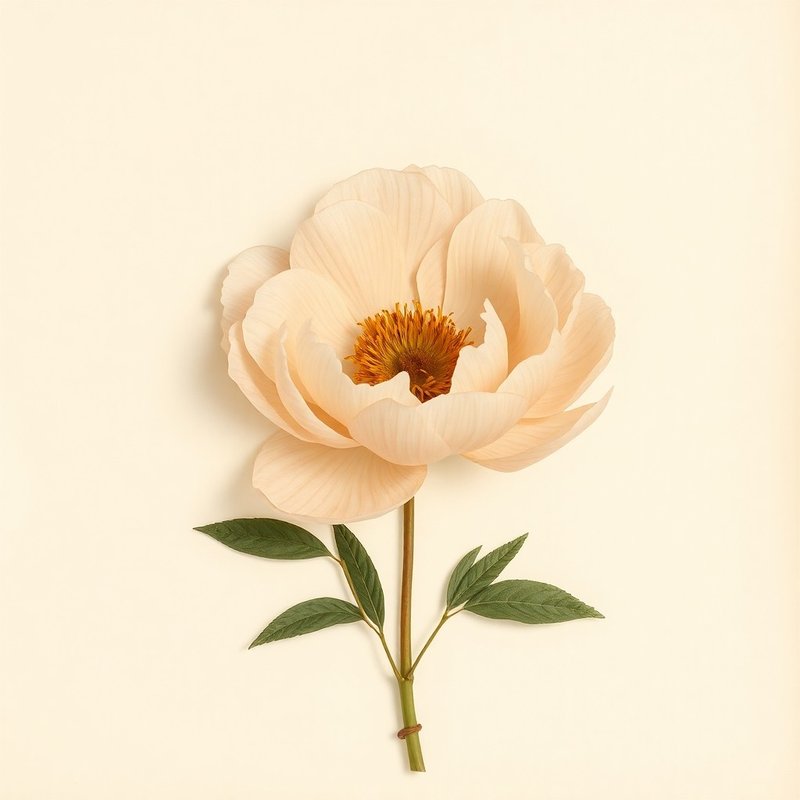
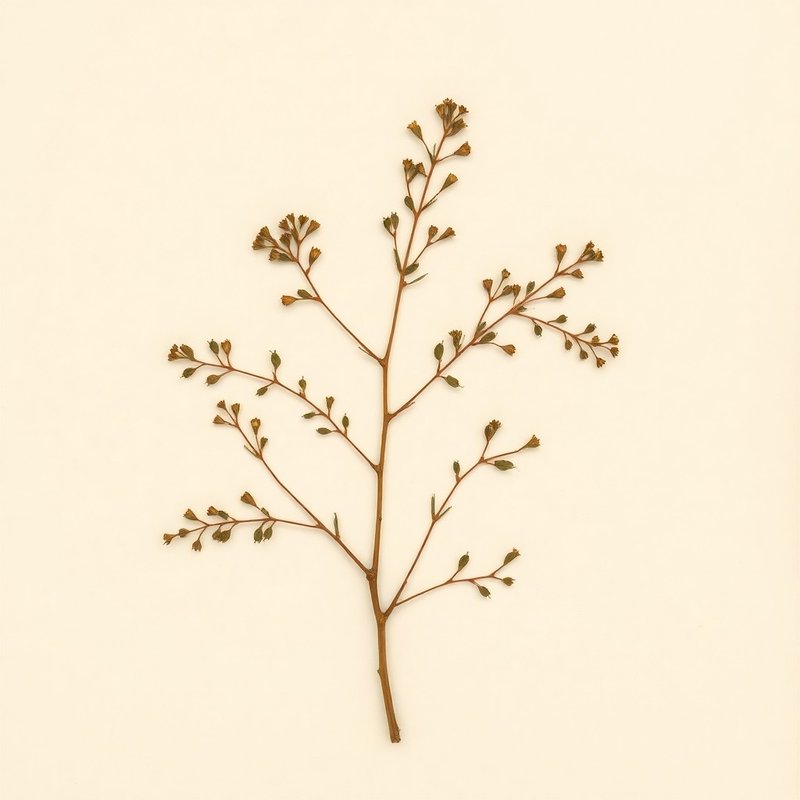
XI
Explore further
Companion planting
Health goals
Compare with similar plants
Growing zone
XII
About this entry
- Last updated
- Citation
- How to cite this entry · Submit a correction
Back to the cataloguePlant id · 1e9f8ff7-1b39-48a1-9bf7-e7d6f91949be
Decision aid
Choosing between Balsam Fir and something else?
Continue reading
❦❦❦❦
Endpaper · archive updates
Primește digest-ul săptămânal
Un email curat pe săptămână — profile noi de plante, note sezoniere de cultivare, adăugiri în arhiva de remedii. Gratuit, fără tracking, dezabonare oricând.