
Cherry plum

IPrezentare
Prezentare
Prunus cerasifera, un arbore decidu original din regiuni precum Afghanistan, Albania, Bulgaria și Grecia. Cunoscut pentru valorile sănătoase și gustative sale, acest plant se adaptează la soluri umede, de tip liniștit până la greu cu pH între 5,5 și 6,5. Această plante, rezistentă în zonele 4-8, ating o înălțime de peste 9 m și este găsită în diverse landscaped precum Afghanistan, Iran, Irak și piețele asiatici. Caracteristicile sale distincte includ folia sa vibrante, adesea cu culori purpure sau roșii, făcând-o o alegere populară pentru gardenuri și parcuri. Fructul și semințele sunt consumabile dar nu sunt de obicei utilizate în aplicații culinare.
What is Cherry plum?
Prunus cerasifera, un arbore decidu original din regiuni precum Afghanistan, Albania, Bulgaria și Grecia. Cunoscut pentru valorile sănătoase și gustative sale, acest plant se adaptează la soluri umede, de tip liniștit până la greu cu pH între 5,5 și 6,5.
What is Cherry plum used for?
Traditionally used for immune support, stress & anxiety. Each claim is evidence-rated — see Section II for full citations.
IIBeneficii și dovezi
2 claims · traditional-use context
Beneficii și dovezi
2 claims · traditional-use context- Cherry plum is traditionally used in herbal medicine to support the immune system, often prepared as a decoction or tincture.
The mechanism by which cherry plum supports immunity is not fully characterised but may involve bioactive compounds that modulate inflammatory responses and enhance immune function.
▲ ModerateImmune support → - Traditional-use note: Cherry plum appears in herbal sources around calming and relaxation traditions, often as a tincture. PlantSage presents this as ethnobotanical context, not as medical advice.
Traditional context only. This reviewed claim keeps the original moderate confidence level, but avoids treatment, disease, dosage, or guaranteed-effect language.
▲ ModerateStress & anxiety →
IV·bMixology suggestions
1 draft
Mixology suggestions
1 draftVCultivare
Cultivare
How to grow Cherry plum for the first time
Start with a simple cherry plum tree to gain experience in growing trees.
- 1
What you'll need
A young cherry plum sapling, well-draining soil, and a container or planting site.
- 2
Best time to plant
Plant your cherry plum tree in early spring or late autumn when the weather is cooler.
- 3
Soil and container prep
Ensure the soil pH is between 5.5 and 6.5, which can be tested with a home kit. For containers, use a mix of light (sandy), medium, and heavy soils.
- 4
Sowing or transplanting
Transplant your sapling into a prepared hole that is twice as wide but the same depth as its root ball.
- 5
First two weeks
Water the tree regularly to keep the soil moist, especially during dry spells. Monitor for any signs of pests or diseases.
- 6
Ongoing care
Provide regular watering, especially in dry periods, and mulch around the base to retain moisture. Prune lightly in late winter to maintain shape.
- 7
Harvest or pruning
Prune your cherry plum tree annually in late winter to encourage healthy growth and fruit production.
- 8
Common mistakes
Overwatering, planting in unsuitable soil conditions, neglecting regular pruning, and not providing enough sunlight.
VIEdible & utility
Edible & utility
VIIDistribuție
26 native · 40 introduced
Distribuție
26 native · 40 introducedIXSpecimen gallery
1 image
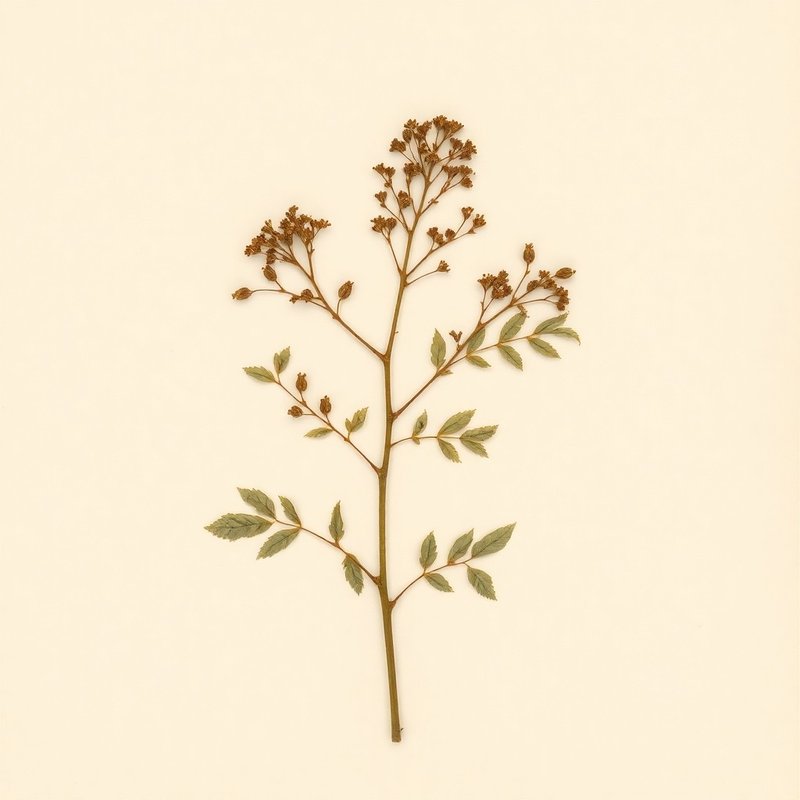
Specimen gallery
1 imageXSee also
8 related
See also
8 relatedPlants you might compare or use together — scored by shared family, common use cases, and growing requirements.
Explore further
About this entry
- Last updated
- Citation
- How to cite this entry · Submit a correction
Continue reading
Primește digest-ul săptămânal
Un email curat pe săptămână — profile noi de plante, note sezoniere de cultivare, adăugiri în arhiva de remedii. Gratuit, fără tracking, dezabonare oricând.