
Korean Mint

IPrezentare
Prezentare
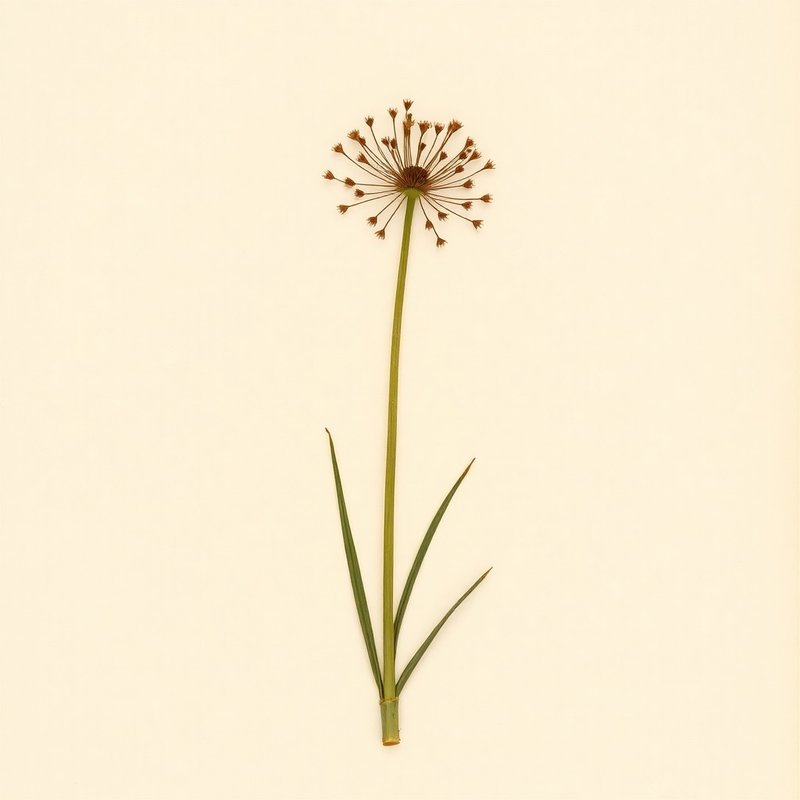
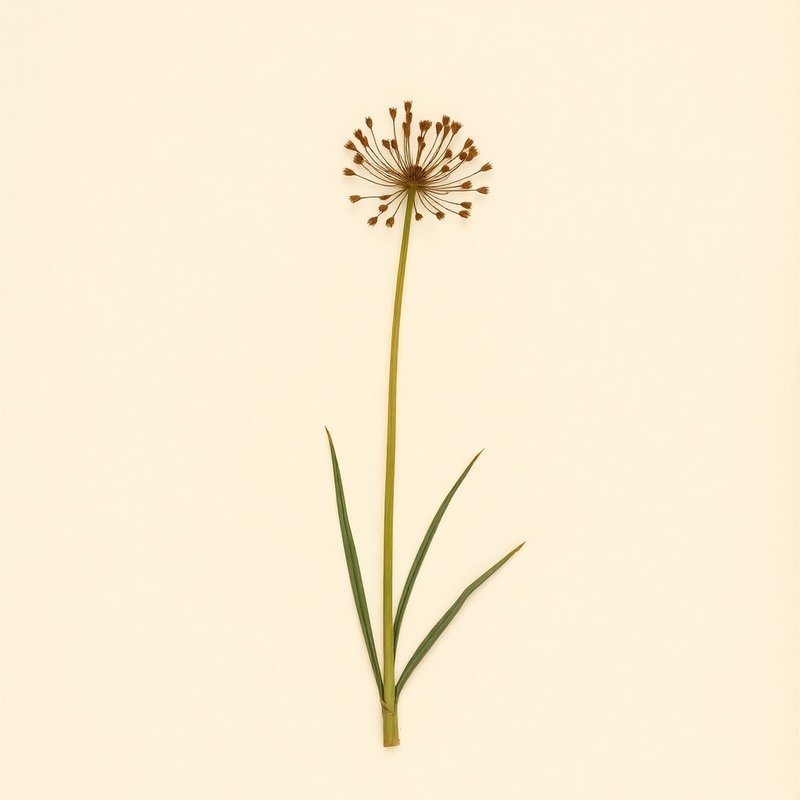
Agastache rugosa, mint de Coreea (Agastache rugosa), este o plantă perenicolă nativă în zonele temperate ale Estului Asian, inclusiv Amur, China Central-Nordic, Japonia, Khabarovsk, Coreea, Insulele Kuril, Manchuria și Primorie. Aceasta este membru al familiei Lamiaceae și se dezvoltă în soare complet cu sustrat bine drenat care poate fi sec sau umed. Conștiință pentru fructele mingeților și semințele sale, este valorificată și pentru calitățile ornamentale din cauza înaltării sale de 1 metru și largimea de 0,66 metri. Adaptabilitatea sa la diverse tipuri de sustrat, inclusiv texturi ușoare (sândal) și medii, o face o adunarea versatilă în jardine în zonele de durabilitate 7-10.
What is Korean Mint?
Agastache rugosa, mint de Coreea (Agastache rugosa), este o plantă perenicolă nativă în zonele temperate ale Estului Asian, inclusiv Amur, China Central-Nordic, Japonia, Khabarovsk, Coreea, Insulele Kuril, Manchuria și Primorie.
What is Korean Mint used for?
Traditionally used for digestion, stress & anxiety. Each claim is evidence-rated — see Section II for full citations.
IIBeneficii și dovezi
2 claims · traditional-use context
Beneficii și dovezi
2 claims · traditional-use context- Korean Mint is traditionally used in East Asian herbal medicine to support digestion, often consumed as a tea after meals. It helps soothe the digestive tract and may aid in reducing bloating.
The mechanism involves carminative properties from compounds like thymol and eugenol which help relax smooth muscle tissue in the gastrointestinal tract.
▲ ModerateDigestion → - Traditional-use note: Korean Mint appears in herbal sources around calming and relaxation traditions, often as a tea. PlantSage presents this as ethnobotanical context, not as medical advice.
Traditional context only. This reviewed claim keeps the original moderate confidence level, but avoids treatment, disease, dosage, or guaranteed-effect language.
▲ ModerateStress & anxiety →
IV·bMixology suggestions
1 draft
Mixology suggestions
1 draftVCultivare
Cultivare
How to grow Korean Mint for the first time
Start with planting Korean Mint in a sunny spot, and you'll have a low-maintenance herb for your garden.
- 1
What you'll need
Seeds or young plants, a trowel, compost, and mulch.
- 2
Best time to plant
Plant in spring after the last frost or in fall before the first freeze.
- 3
Soil and container prep
Choose a well-draining soil with a pH between 6.0 and 7.5, and prepare containers at least 12 inches wide.
- 4
Sowing or transplanting
Direct sow seeds in the garden after danger of frost is past, or start indoors 4-6 weeks before planting outside.
- 5
First two weeks
Water regularly to keep soil moist but not waterlogged. Keep plants shaded if direct sun is too intense.
- 6
Ongoing care
Provide full sun and regular watering, especially during dry spells. Deadhead flowers to encourage more blooms.
- 7
Harvest or pruning
Prune back after flowering to promote bushier growth and prevent legginess.
- 8
Common mistakes
Overwatering, planting in heavy soil, not providing enough sunlight, neglecting deadheading, and waiting too long to prune.
VIEdible & utility
Edible & utility
VIIDistribuție
9 native · 10 introduced
Distribuție
9 native · 10 introducedVIIIGarden companions
4 pairs
Garden companions
4 pairsThese plants help — by repelling pests, fixing nitrogen, attracting pollinators, or sharing space well.
IXSpecimen gallery
1 image
Specimen gallery
1 imageXSee also
8 related
See also
8 relatedPlants you might compare or use together — scored by shared family, common use cases, and growing requirements.


Explore further
About this entry
- Last updated
- Citation
- How to cite this entry · Submit a correction
Continue reading
Primește digest-ul săptămânal
Un email curat pe săptămână — profile noi de plante, note sezoniere de cultivare, adăugiri în arhiva de remedii. Gratuit, fără tracking, dezabonare oricând.