
Allium orientale
IPrezentare
Prezentare
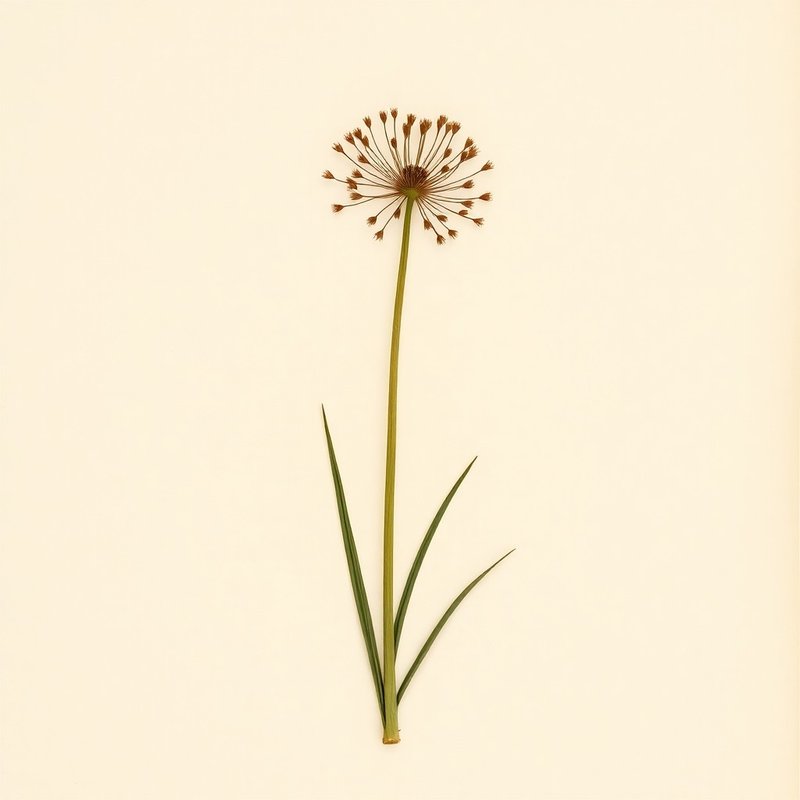
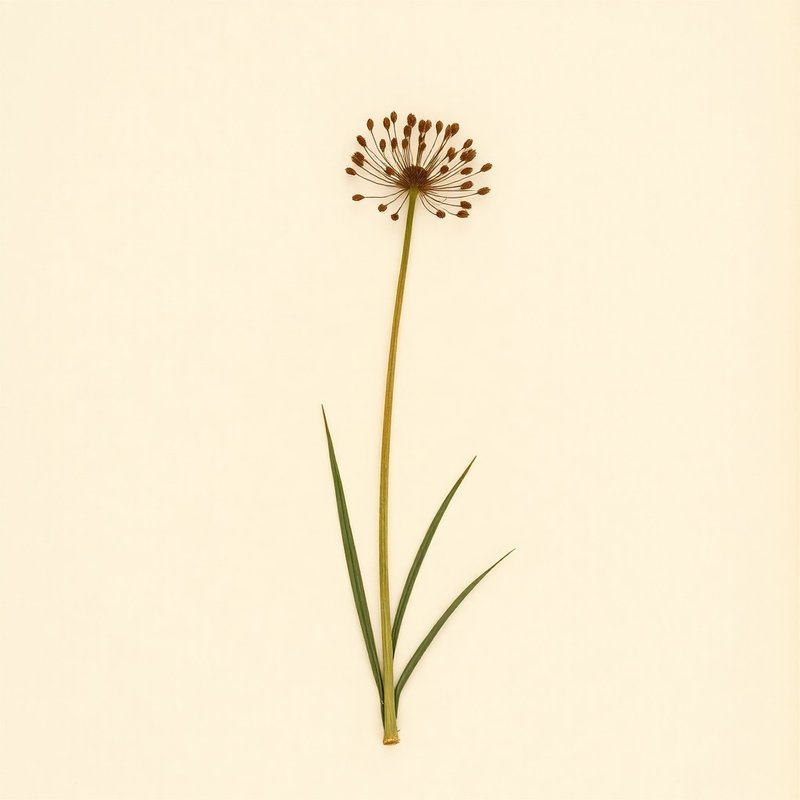
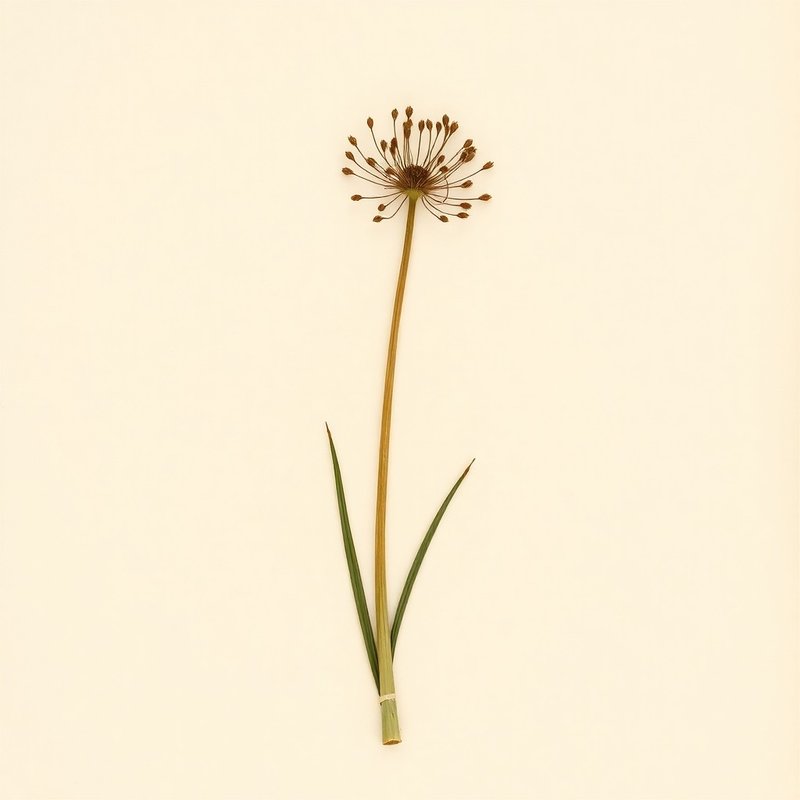
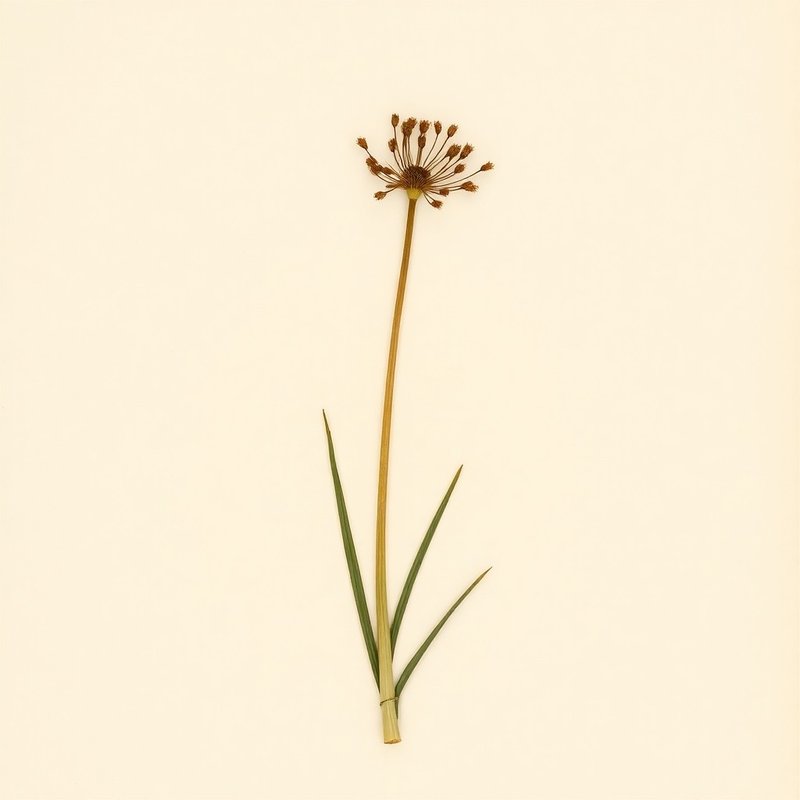
Allium orientale, cunoscut sub numele de cepul cuoriței sau șoareci selvatic, este un membru al familiei Alliaceae și se dezvoltă în climatelor mediteraneene precum cele din Cipru, Egipt, Liban-Siria, Libia, Palestina, Sinai și Turcia. Această plantă este valorificată pentru părțile mănăstite sale, care includ flori, frunze și rădăcini, făcând-o un ingrediente versatil în cibele locale. Prefere zonă plină de soare, condiții umide și suport de grăsime, dezvoltându-se în texturi ușoare până la medie. Foarte rezistentă din zonele 7-10, A. orientale atinge o înălțime de aproximativ 30 cm, distingându-se prin plămâni distincte și aromatici care adaugă un gust pungent la mâncăruri.
What is Allium orientale?
Allium orientale, cunoscut sub numele de cepul cuoriței sau șoareci selvatic, este un membru al familiei Alliaceae și se dezvoltă în climatelor mediteraneene precum cele din Cipru, Egipt, Liban-Siria, Libia, Palestina, Sinai și Turcia.
What is Allium orientale used for?
Traditionally used for immune support. Each claim is evidence-rated — see Section II for full citations.
IIBeneficii și dovezi
1 claim · traditional-use context
Beneficii și dovezi
1 claim · traditional-use context- Traditional-use note: Allium orientale appears in herbal sources around seasonal wellness traditions, often as a traditional preparation. PlantSage presents this as ethnobotanical context, not as medical advice.
Traditional context only. This reviewed claim keeps the original low confidence level, but avoids treatment, disease, dosage, or guaranteed-effect language.
▲ LimitedImmune support →
IV·bMixology suggestions
1 draft
Mixology suggestions
1 draftVCultivare
Cultivare
How to grow Allium orientale for the first time
Start with Allium orientale for a simple and rewarding gardening experience.
- 1
What you'll need
Allium orientale bulbs or seeds, garden soil, containers if planting indoors.
- 2
Best time to plant
Plant in early spring or late summer for best results.
- 3
Soil and container prep
Use well-draining soil with a pH between 6.0 and 7.5; ensure containers have drainage holes.
- 4
Sowing or transplanting
Plant bulbs about 10 cm deep, spaced 15-20 cm apart; sow seeds thinly in small pots.
- 5
First two weeks
Water sparingly to avoid rotting the bulbs; keep soil moist but not waterlogged.
- 6
Ongoing care
Water when the top inch of soil feels dry, especially during flowering. Mulch around plants for moisture retention.
- 7
Harvest or pruning
Prune dead leaves and spent flowers to encourage new growth; harvest roots after flowering.
- 8
Common mistakes
Overwatering, planting too deep, neglecting mulching, not providing enough sunlight.
VIEdible & utility
Edible & utility
VIIDistribuție
7 native · 0 introduced
Distribuție
7 native · 0 introducedIXSpecimen gallery
1 image
Specimen gallery
1 imageXSee also
8 related
See also
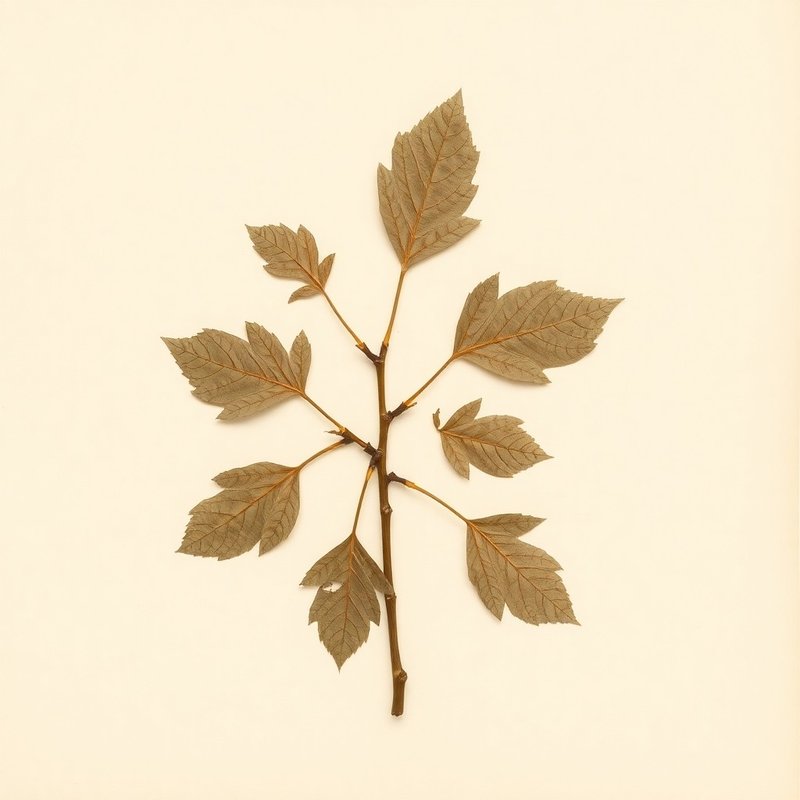
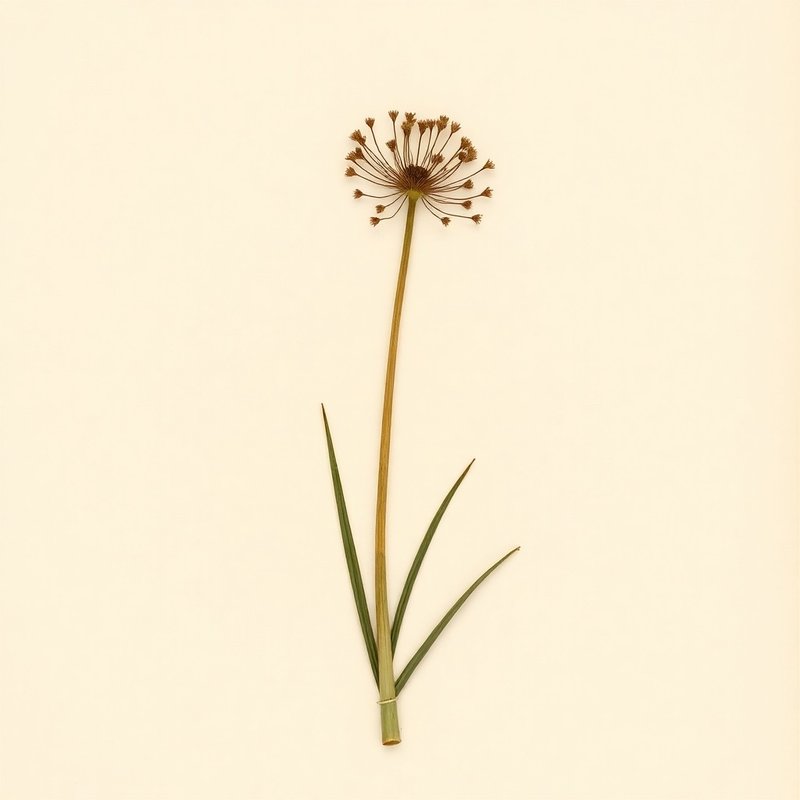
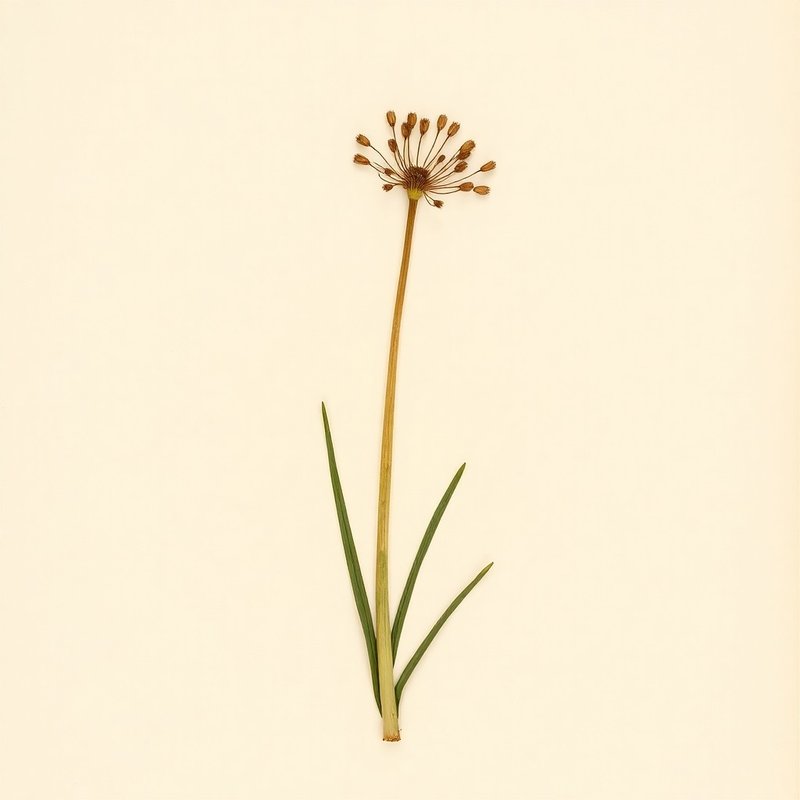
8 relatedPlants you might compare or use together — scored by shared family, common use cases, and growing requirements.


Explore further
About this entry
- Last updated
- Citation
- How to cite this entry · Submit a correction
Continue reading
Primește digest-ul săptămânal
Un email curat pe săptămână — profile noi de plante, note sezoniere de cultivare, adăugiri în arhiva de remedii. Gratuit, fără tracking, dezabonare oricând.