
Allium orientale
Allium orientale
Educational content — not medical, botanical, or professional advice. Always consult a qualified clinician before using any herbal preparation — especially during pregnancy, breastfeeding, while on medication, or for children. How we source & review →
Garden journal pausedUse profile notes below
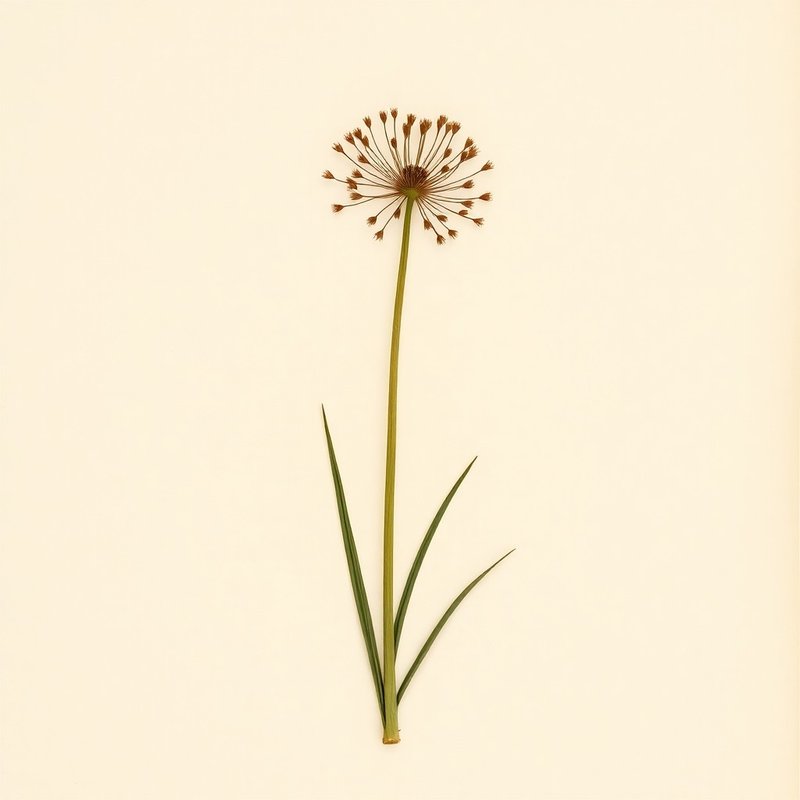
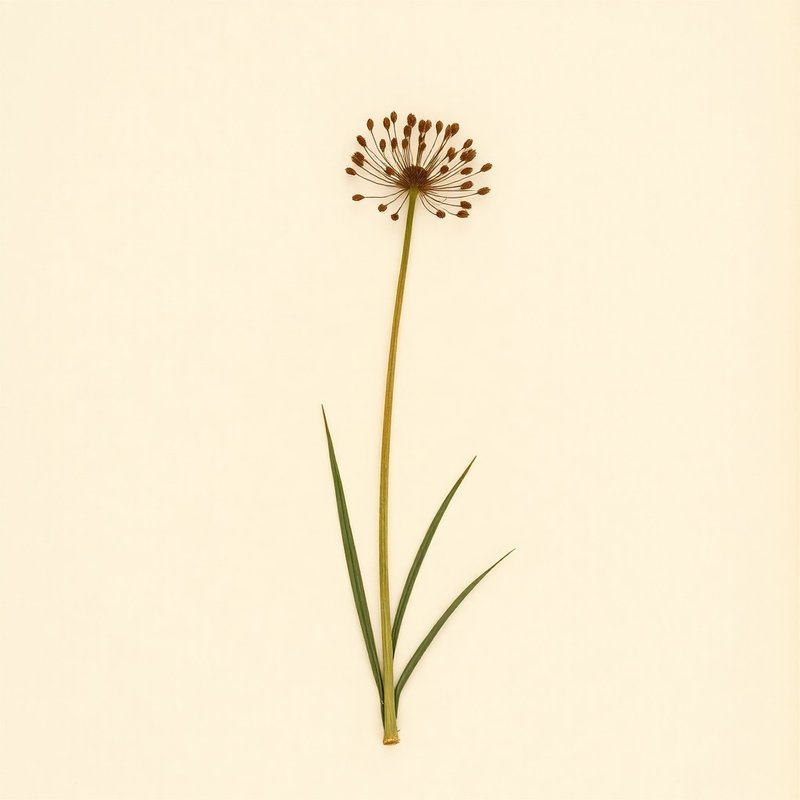
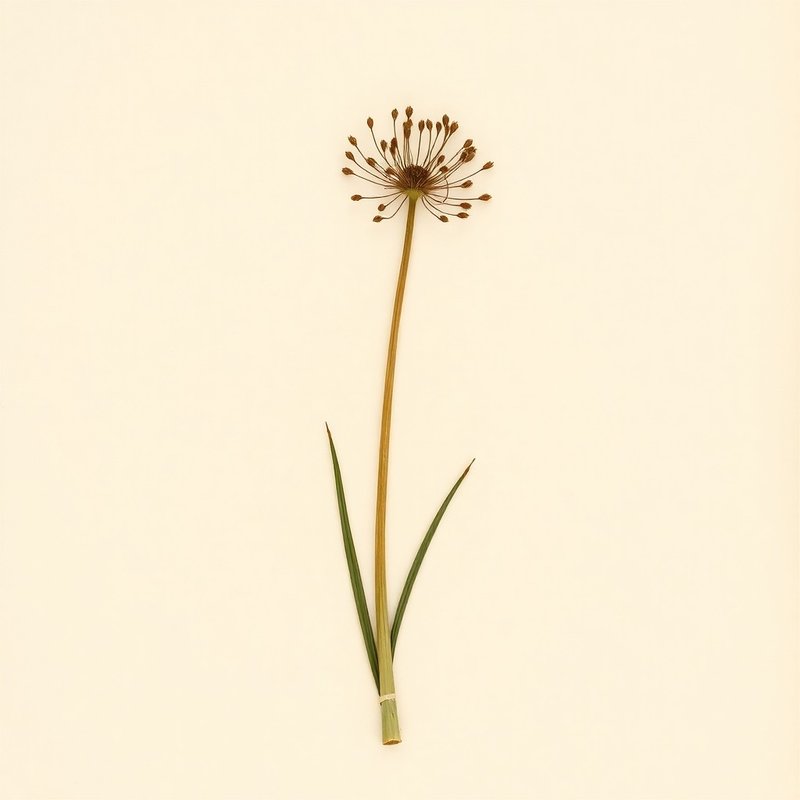
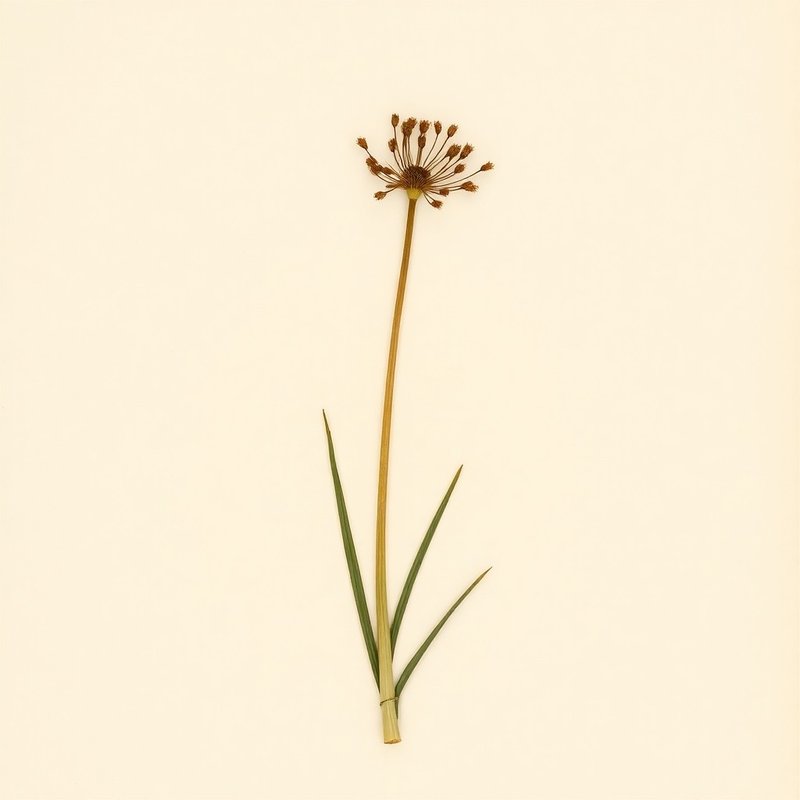
Pl. D8DF — Allium orientale
Allium orientaleAllium orientaleAllium orientaleAllium orientaleAllium orientaleAllium orientaleAllium orientaleAllium orientaleAllium orientaleAllium orientaleAllium orientaleAllium orientaleAllium orientaleAllium orientale
IOverview
Overview
Allium orientale, commonly known as Cyprus onion or wild garlic, is a member of the Alliaceae family and is native to the Mediterranean regions of Cyprus, Egypt, Lebanon-Syria, Libya, Palestine, Sinai, and Turkey. This plant thrives in a variety of conditions, particularly in full sun and moist, well-draining soil that is light to medium in texture. Hardy in zones 7-10, A. orientale grows to a height of about 30 cm, making it a distinctive and aromatic addition to gardens and landscapes. The plant is valued for its edible parts, which include flowers, leaves, and roots. The flowers can be eaten raw or cooked, adding a mild onion flavor to dishes, while the leaves are often used fresh in salads or as a garnish. The roots can be consumed raw or cooked, providing a pungent taste similar to other alliums. Traditional-use notes suggest that A. orientale is used in seasonal wellness traditions, often as a traditional preparation, though PlantSage presents this as ethnobotanical context, not as medical advice. In its native regions, Allium orientale is a valuable resource for local cuisines, offering a versatile ingredient with a mild onion flavor. Its distinctive, aromatic foliage makes it an attractive ornamental plant as well. While it prefers moist conditions, care should be taken to avoid waterlogged soil, as this can be detrimental to the plant's health.
Quick answers
What is Allium orientale?
Allium orientale, commonly known as Cyprus onion or wild garlic, is a member of the Alliaceae family and is native to the Mediterranean regions of Cyprus, Egypt, Lebanon-Syria, Libya, Palestine, Sinai, and Turkey.
What is Allium orientale used for?
Traditionally used for immune support. Each claim is evidence-rated — see Section II for full citations.
Best for
Top 1 evidence-ranked use of Allium orientale
Clinicaluses · safety · chemistry · dosagemedicinal profile
IIBenefits & evidence
1 claim · traditional-use context
Benefits & evidence
1 claim · traditional-use contextTraditional-use context
These notes are presented as ethnobotanical context. No cited clinical references are catalogued for this plant yet.
- Traditional-use note: Allium orientale appears in herbal sources around seasonal wellness traditions, often as a traditional preparation. PlantSage presents this as ethnobotanical context, not as medical advice.
Traditional context only. This reviewed claim keeps the original low confidence level, but avoids treatment, disease, dosage, or guaranteed-effect language.
▲ LimitedImmune support →
IV·bMixology suggestions
1 draft
Mixology suggestions
1 draftEditorial drafts. These pairings are AI-suggested from traditional herbal lore. Always verify with a qualified herbalist before brewing.
Digestive Harmony
digestiontincture
Traditional use for digestive issues.
Growingconditions · propagation · uses
VCultivation
Cultivation
Allium orientale thrives in full sun and prefers moist, well-draining soil that is light (sandy) or medium. It is hardy in zones 7-10 and grows to a height of 0.3 meters. The edible parts include flowers, leaves, and roots. For cultivation, ensure the soil is not overly heavy and maintain consistent moisture. This plant is traditionally used for immune support, appearing in seasonal wellness preparations.
Light
Full sun
Water
Moist
Soil
Light (sandy), Medium
Hardiness
7-10
Mature size
0.3 m tall
For first-time growers
How to grow Allium orientale for the first time
8steps
Start with Allium orientale for a simple and rewarding gardening experience.
- 1
What you'll need
Allium orientale bulbs or seeds, garden soil, containers if planting indoors.
- 2
Best time to plant
Plant in early spring or late summer for best results.
- 3
Soil and container prep
Use well-draining soil with a pH between 6.0 and 7.5; ensure containers have drainage holes.
- 4
Sowing or transplanting
Plant bulbs about 10 cm deep, spaced 15-20 cm apart; sow seeds thinly in small pots.
- 5
First two weeks
Water sparingly to avoid rotting the bulbs; keep soil moist but not waterlogged.
- 6
Ongoing care
Water when the top inch of soil feels dry, especially during flowering. Mulch around plants for moisture retention.
- 7
Harvest or pruning
Prune dead leaves and spent flowers to encourage new growth; harvest roots after flowering.
- 8
Common mistakes
Overwatering, planting too deep, neglecting mulching, not providing enough sunlight.
VIEdible & utility
Edible & utility
Edible parts:FlowersLeavesRoot
Edible uses: The Allium orientale is used for its edible flowers, leaves, and roots. The flowers can be eaten raw or cooked, adding a mild onion flavor to dishes. The leaves are often used fresh in salads or as a garnish. Roots can be consumed raw or cooked, providing a pungent taste similar to other alliums.
Contextrange · companions · related
VIIDistribution
7 native · 0 introduced
Distribution
7 native · 0 introducedDistribution across3 continents· 7 native
Europe1 region
native (1)Cyprus
Asia2 regions
native (2)PalestineTurkey
Africa2 regions
native (2)EgyptLibya
Broader regions
native:Lebanon-Syria, Sinai
IXSpecimen gallery
1 image
Specimen gallery
1 imageXSee also
8 related
See also
8 relatedPlants you might compare or use together — scored by shared family, common use cases, and growing requirements.
shared use cases
Different families, similar therapeutic role — good for comparing.


XI
Explore further
Companion planting
Compare with similar plants
Growing zone
Native to
XII
About this entry
- Last updated
- Citation
- How to cite this entry · Submit a correction
Back to the cataloguePlant id · d8df226e-ef6c-4f84-be40-8e38fd2604b4
Decision aid
Choosing between Allium orientale and something else?
Continue reading
❦❦❦❦
Endpaper · archive updates
Get archive updates
Occasional email when substantial new content lands — plant profiles, seasonal growing notes, folk-remedy additions. Free, no tracking, unsubscribe anytime.
Newsletter returning soon.
We are rebuilding the update list around a lightweight editorial workflow. New dispatches will resume after the next content review cycle.