
Aloe ferox
IPrezentare
Prezentare
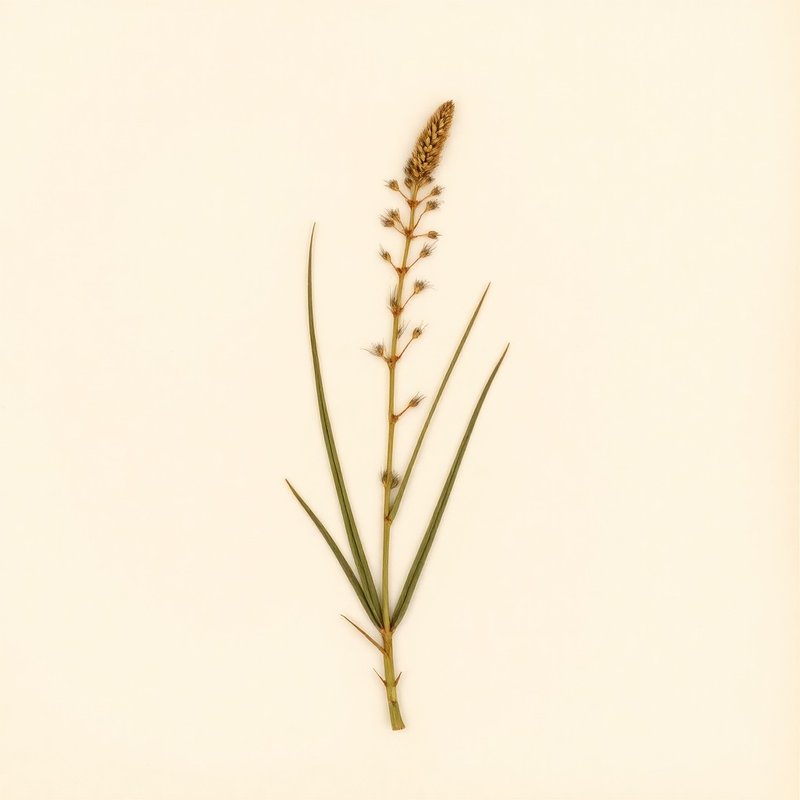
Aloe ferox, un membru al familiei Asphodelaceae, este nativ în Provinciile Capul, Free State și Lesotho din Africa de Sud. Cunoscut pentru părți alimentare sale - atât florele cât și frunzele - această plantă se dezvoltă în soare complet, condiții ușoare și suportă bine terenul cu scăzută absorbție a apului. Această plantă puternică poate crește până la 3 metri în înălțime și este o caracteristică distinctivă a habitatului său arid. Requisitele sale de lumină și preferințele sale pentru teren fac din aceasta o alegere excelentă pentru gardieni care caută un succulent toleranți la lipsa apăii cu valoare ornamentală, având rosete de frunze fleshești.
What is Aloe ferox?
Aloe ferox, un membru al familiei Asphodelaceae, este nativ în Provinciile Capul, Free State și Lesotho din Africa de Sud. Cunoscut pentru părți alimentare sale - atât florele cât și frunzele - această plantă se dezvoltă în soare complet, condiții ușoare și suportă bine terenul cu scăzută absorbție a apului.
What is Aloe ferox used for?
Traditionally used for digestion, topical & skin. Each claim is evidence-rated — see Section II for full citations.
IIBeneficii și dovezi
2 claims · traditional-use context
Beneficii și dovezi
2 claims · traditional-use context- Aloe ferox is traditionally used to support digestive health, particularly for conditions such as constipation and indigestion. It can be taken in the form of a decoction or capsule.
The plant contains compounds like aloin and barbaloin which act as natural laxatives by increasing intestinal water content and stimulating peristalsis.
▲ ModerateDigestion → - Aloe ferox has been traditionally used in South African medicine for topical application to soothe and heal minor burns, cuts, and skin irritations. Its gel-like substance is applied directly to the affected area.
The active compounds include aloesin and anthraquinones which have anti-inflammatory properties that help reduce redness and swelling in damaged tissues.
▲ ModerateTopical & skin →
IV·bMixology suggestions
1 draft
Mixology suggestions
1 draftVCultivare
Cultivare
How to grow Aloe ferox for the first time
Start with a simple, low-maintenance plant like Skip (Aloe ferox) for your first gardening experience.
- 1
What you'll need
A small pot or garden bed, well-draining soil, and a healthy Skip plant.
- 2
Best time to plant
Plant in late spring or early summer when the weather is warm.
- 3
Soil and container prep
Use a sandy, well-draining potting mix. Ensure containers have drainage holes.
- 4
Sowing or transplanting
Transplant Skip from its nursery pot to your garden bed or larger container.
- 5
First two weeks
Water sparingly and avoid overwatering. Keep the plant in a sunny spot.
- 6
Ongoing care
Provide full sun, water only when soil is dry, and prune dead leaves as needed.
- 7
Harvest or pruning
Prune dead leaves to maintain the plant's appearance. Harvest flowers for decorative purposes.
- 8
Common mistakes
Overwatering, planting in heavy soil, and not providing enough sunlight.
VIEdible & utility
Edible & utility
VIIDistribuție
3 native · 2 introduced
Distribuție
3 native · 2 introducedIXSpecimen gallery
1 image
Specimen gallery
1 imageXSee also
8 related
See also
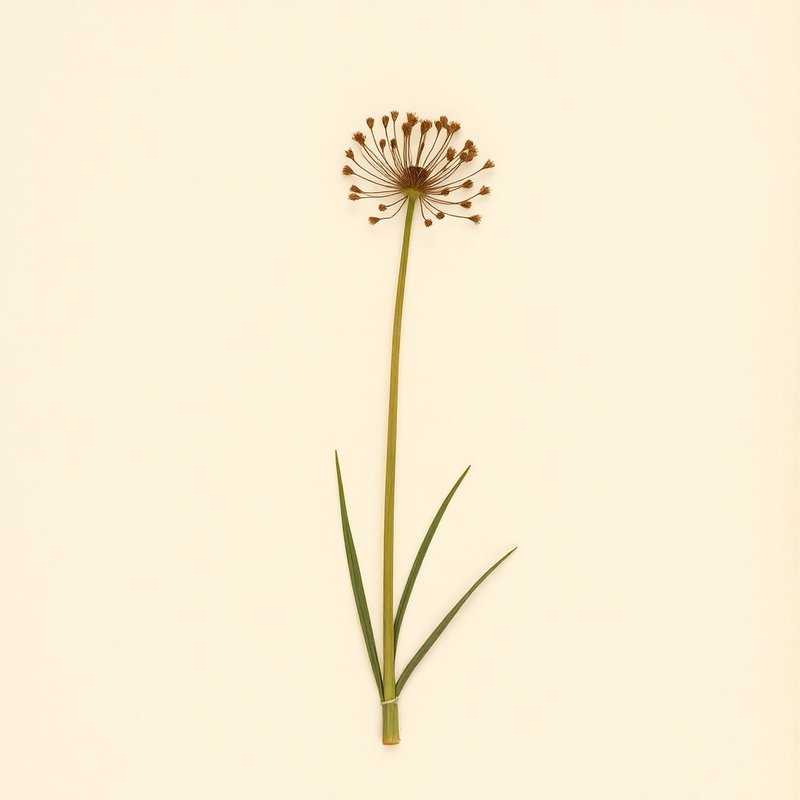
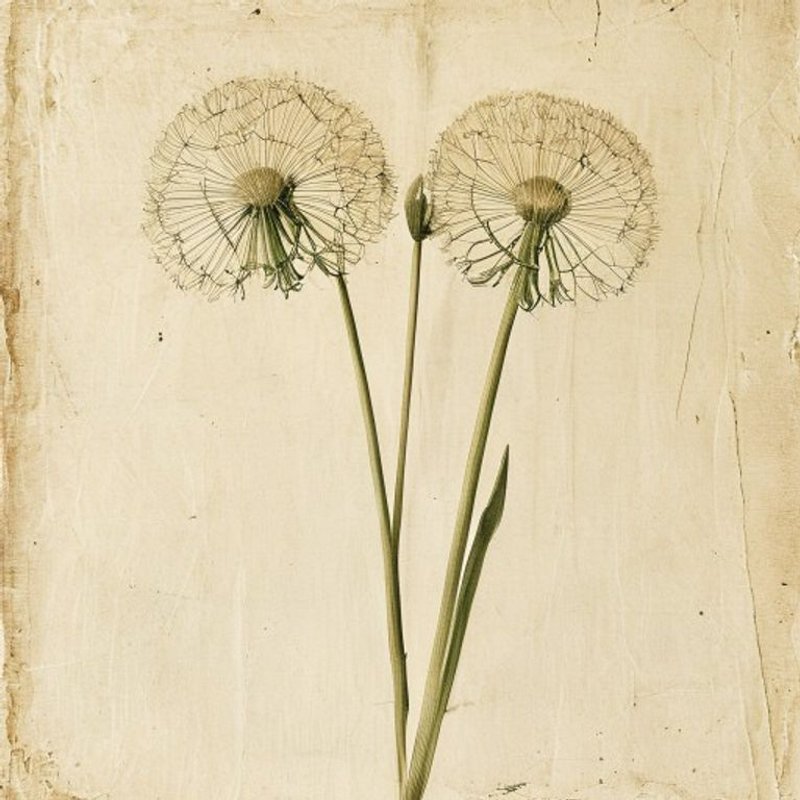
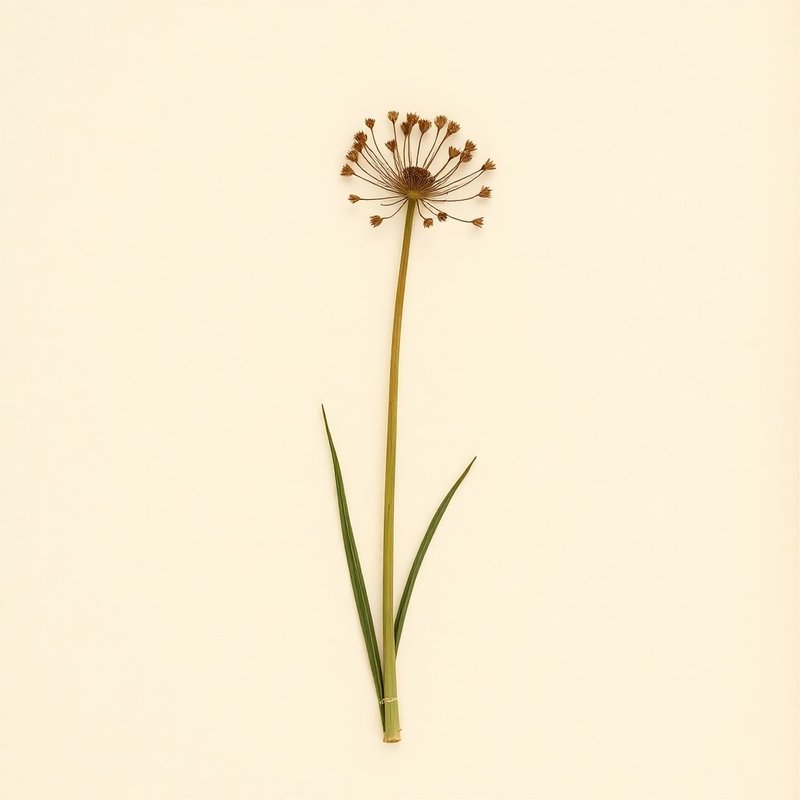
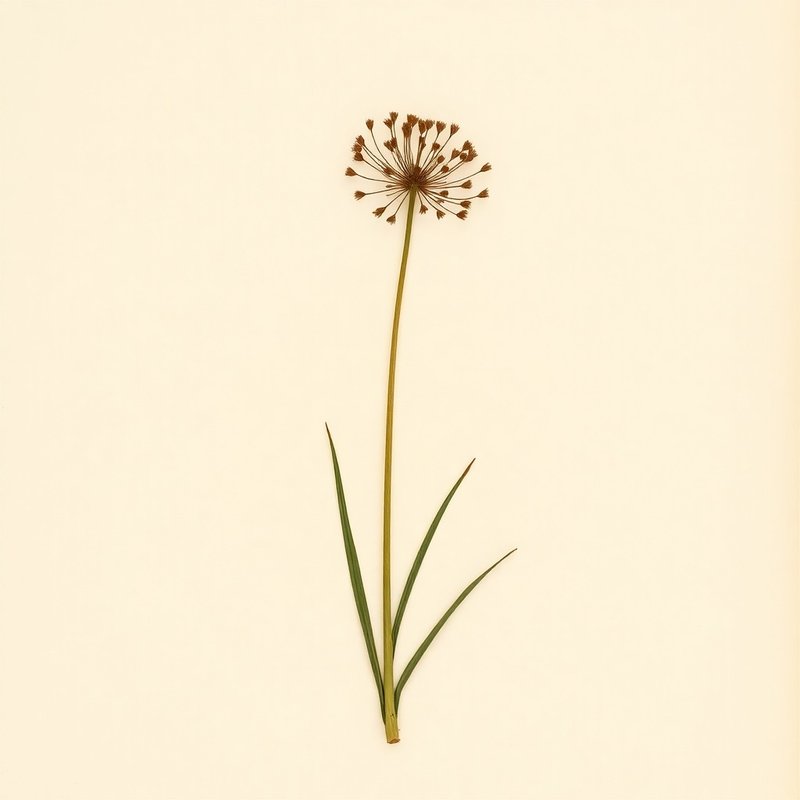
8 relatedPlants you might compare or use together — scored by shared family (Asphodelaceae), common use cases, and growing requirements.

Explore further
About this entry
- Last updated
- Citation
- How to cite this entry · Submit a correction
Continue reading
Primește digest-ul săptămânal
Un email curat pe săptămână — profile noi de plante, note sezoniere de cultivare, adăugiri în arhiva de remedii. Gratuit, fără tracking, dezabonare oricând.