Skip to content
IIIFolio · plant profile№ EBCDmedicinal · edible
Data provenancePermapeopleTrefleWikipediaPFAFPOWOeditorially reviewedreviewed 21 Oct 2026methodology → read
Home/Plants/Amaranthaceae

Amaranthus graecizans
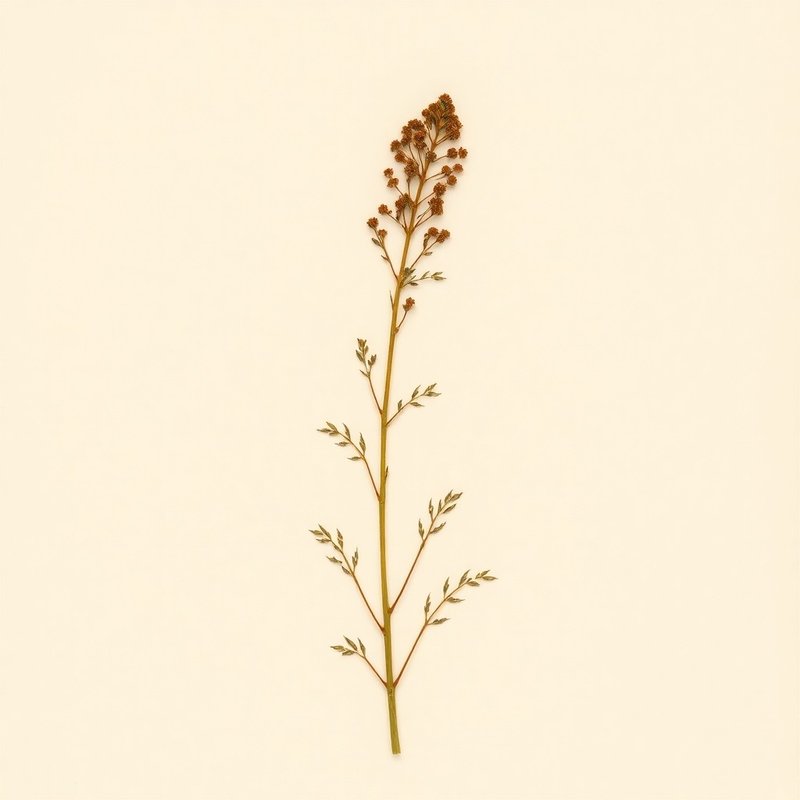
Amaranthus graecizansfam. Amaranthaceae
Educational content — not medical, botanical, or professional advice. Always consult a qualified clinician before using any herbal preparation — especially during pregnancy, breastfeeding, while on medication, or for children. How we source & review →
medicinaledibleannualannualedibleedible leafherbmedicinalnative africa
Updated·Quick Q&A →
Garden journal pausedUse profile notes below
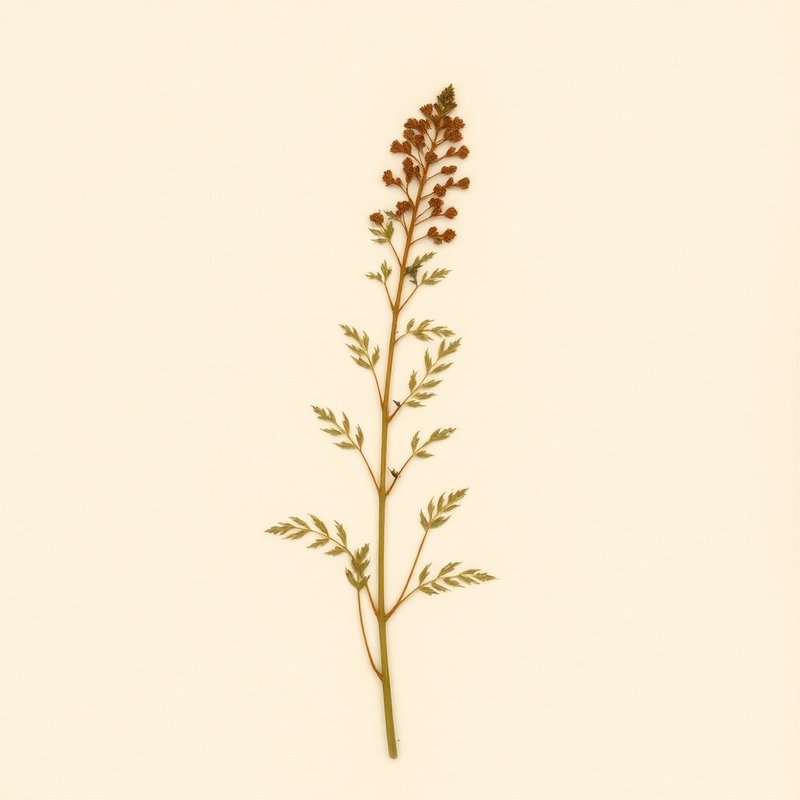
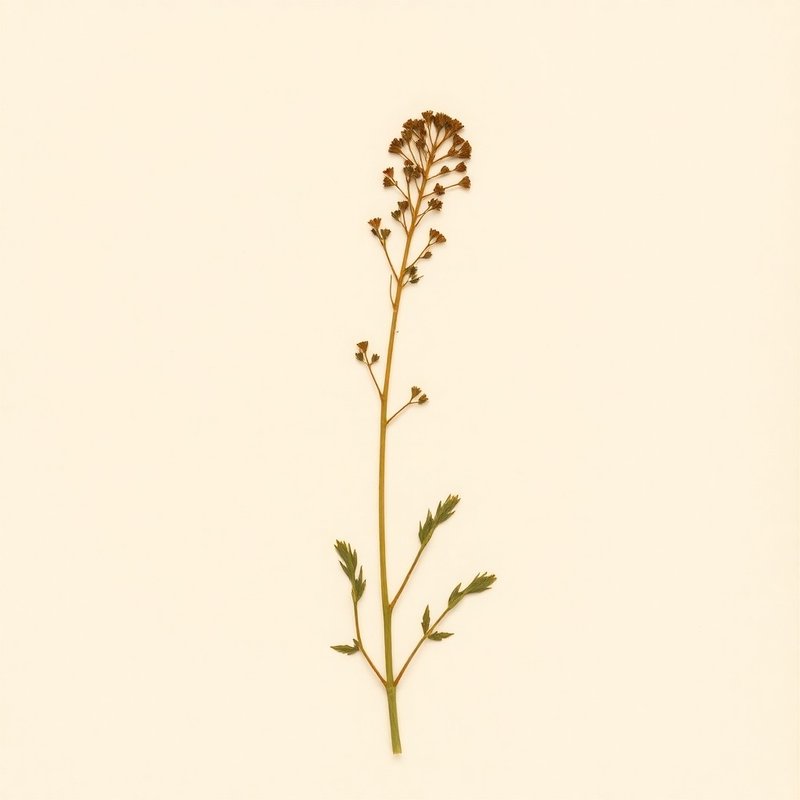
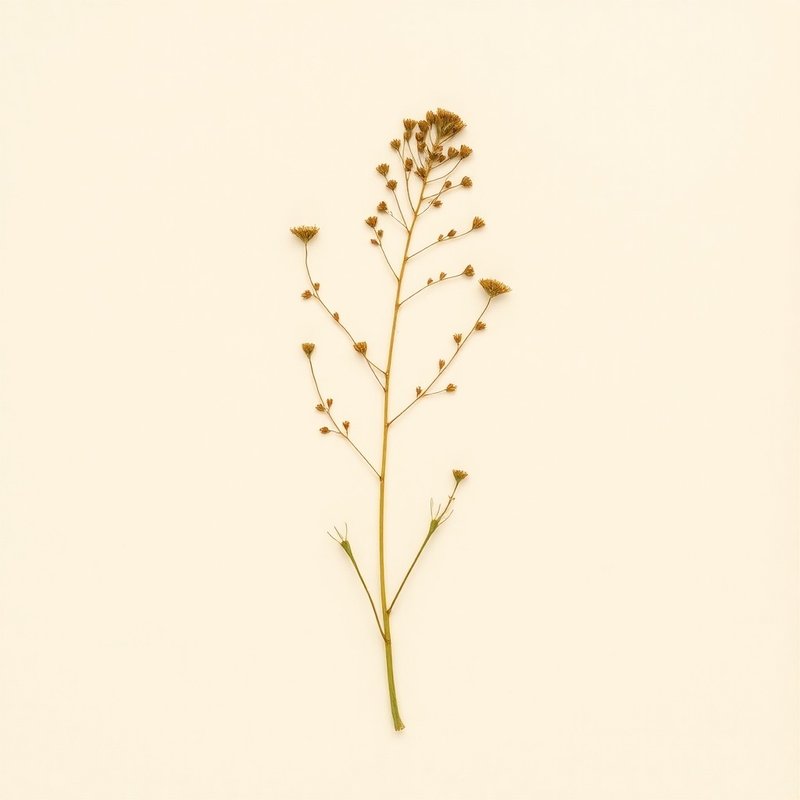
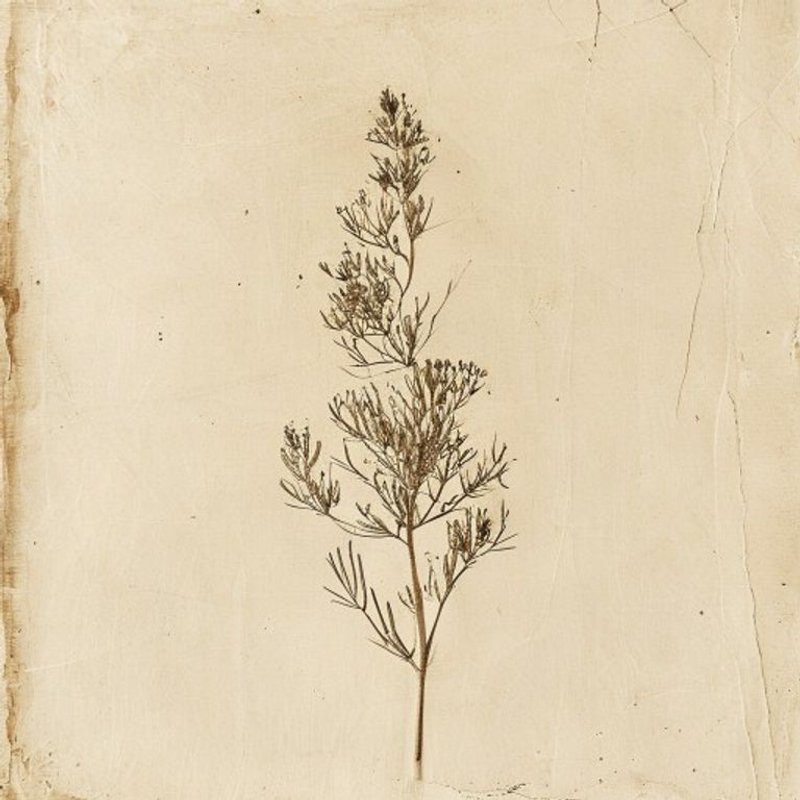
Amaranthus graecizans (Amaranthus graecizans) — botanical photograph
Pl. EBCD — Amaranthus graecizans
Amaranthus graecizansAmaranthus graecizansAmaranthus graecizansAmaranthus graecizansAmaranthus graecizansAmaranthus graecizansAmaranthus graecizansAmaranthus graecizansAmaranthus graecizansAmaranthus graecizansAmaranthus graecizansAmaranthus graecizansAmaranthus graecizansAmaranthus graecizans
I

Prezentare

Amaranthus graecizans este un plant anual, o păsăre sau hrană nativ din Tunisia, care aparține familiei Amaranthaceae. Această plantă se dezvolte în condiții umide și poate fi găsită în terenuri de tip liniștit (sând), medie și grea (argila) cu un pH de 7,5–8. Cunoscut pentru frunzele și semințele sale consumabile, A. graecizans a fost folosit medicinal de asemenea. Caracteristică distinctivă a acestui plant este înălțimea sa de aproximativ 0,5 metri, făcându-l o adăugare interesantă în jardine sau câmpii unde poate fi cultivat pentru folosirea sa culinară și tradițională.

Quick answers

What is Amaranthus graecizans?

Amaranthus graecizans este un plant anual, o păsăre sau hrană nativ din Tunisia, care aparține familiei Amaranthaceae. Această plantă se dezvolte în condiții umide și poate fi găsită în terenuri de tip liniștit (sând), medie și grea (argila) cu un pH de 7,5–8.

Compare with:Amaranthus bidentata→Amaranthus torreyi→Boggabri Weed→all comparisons →
IV·b

Mixology suggestions

1 draft
Editorial drafts. These pairings are AI-suggested from traditional herbal lore. Always verify with a qualified herbalist before brewing.
Digestive Harmony
digestion
tincture
Traditional use for digestive support.
Growingconditions · propagation · uses
V

Cultivare

Amaranthus graecizans se dezvolte bine în lumină medie până la moderată și preferă condiții umide cu terenuri cu scăpul de apă sau argila. Își dezvoltă cel mai bine în tipuri de teren liniștitoare (sând), mediului sau grei și are preferința pentru un pH de 7,5–8. Această plantă anuală atinge o înălțime de aproximativ 0,5 metri și este durabilă în regiuni temperate. Pentru cultivarea sa, asigurați-vă că terenul rămâne constant umed în timp ce evitați condițiile de apă bogată. Coloniați frunzele și semințele sale pentru a le folosi.
Light
8/10
Water
Moist
Soil
Light (sandy), Medium, Heavy (clay)
Life cycle
Annual
Habit
Forb/herb
Mature size
0.5 m tall
Soil pH
7.5–8
For first-time growers

How to grow Amaranthus graecizans for the first time

8steps

Start with Skip as a simple, low-maintenance annual plant for your garden.

  1. 1

    What you'll need

    Seeds or seedlings, a container if planting indoors, potting soil, and water.

  2. 2

    Best time to plant

    Plant Skip in late spring after the last frost date for your area.

  3. 3

    Soil and container prep

    Use well-draining soil with a pH between 7.5 and 8.0, ensuring it's light (sandy), medium, or heavy.

  4. 4

    Sowing or transplanting

    Direct sow seeds in the garden about 1 cm deep, or start seedlings indoors and transplant them when they have two true leaves.

  5. 5

    First two weeks

    Water regularly to keep soil moist but not waterlogged. Monitor for pests and diseases.

  6. 6

    Ongoing care

    Provide consistent watering and full sun exposure. Fertilize sparingly with a balanced organic fertilizer.

  7. 7

    Harvest or pruning

    Prune regularly to encourage bushy growth and remove any dead or yellowing leaves.

  8. 8

    Common mistakes

    Overwatering, planting in heavy shade, neglecting regular pruning, using too much fertilizer, and not monitoring for pests.

VI

Edible & utility

Edible parts:LeavesSeed
Edible uses: The leaves and seeds of Amaranthus graecizans are edible. The leaves can be eaten raw or cooked in various dishes, while the seeds are typically harvested and used as a grain, often ground into flour for baking. Both parts are commonly consumed in their fresh state or dried for later use.
Other uses:DyeDynamic accumulator
Contextrange · companions · related
VII

Distribuție

83 native · 106 introduced
Distribution across3 continents· 83 native· 106 introduced
Europe28 regions
native (10)AlbaniaBulgariaCyprusFranceGreeceItalyPortugalRussiaSpainUkraine
introduced (18)AlbaniaAustriaBelgiumBulgariaCyprusDenmarkFranceGermanyGreeceHungaryItalyPortugalRomaniaRussiaSpainSwedenSwitzerlandUkraine
Asia36 regions
native (18)AfghanistanBangladeshChinaIndiaIranIraqKazakhstanKuwaitNepalOmanPakistanPalestineSaudi ArabiaSri LankaTurkeyTurkmenistanUzbekistanYemen
introduced (18)AfghanistanBangladeshChinaIndiaIranIraqKazakhstanKuwaitNepalOmanPakistanPalestineSaudi ArabiaSri LankaTurkeyTurkmenistanUzbekistanYemen
Africa62 regions
native (30)AlgeriaAngolaBeninBurkina FasoCabo VerdeCameroonChadEgyptEritreaEthiopiaGhanaKenyaLibyaMalawiMaliMauritaniaMoroccoMozambiqueNigerNigeriaRwandaSenegalSomaliaSudanTanzaniaTogoTunisiaUgandaZambiaZimbabwe
introduced (32)AlgeriaAngolaBeninBotswanaBurkina FasoCabo VerdeCameroonChadDjiboutiEgyptEritreaEthiopiaGhanaKenyaLibyaMalawiMaliMauritaniaMoroccoMozambiqueNigerNigeriaRwandaSenegalSomaliaSudanTanzaniaTogoUgandaWestern SaharaZambiaZimbabwe
Broader regions
native:Central African Repu, East Aegean Is., Gulf of Guinea Is., Gulf States, Kriti, Lebanon-Syria, Sinai, Socotra, Tadzhikistan, Transcaucasus, Turkey-in-Europe, West Himalaya, Yugoslavia, Zaïre
introduced:Central African Repu, Czechoslovakia, East Aegean Is., Gulf of Guinea Is., Gulf States, Kriti, Lebanon-Syria, Mexico Northeast, Mexico Northwest, Mexico Southwest, New Jersey, New Zealand North, New Zealand South, Sinai, Socotra, South Australia, Tadzhikistan, Tasmania, Transcaucasus, Turkey-in-Europe, Victoria, Wake I., West Himalaya, Yugoslavia, Zaïre
IX

Specimen gallery

1 image
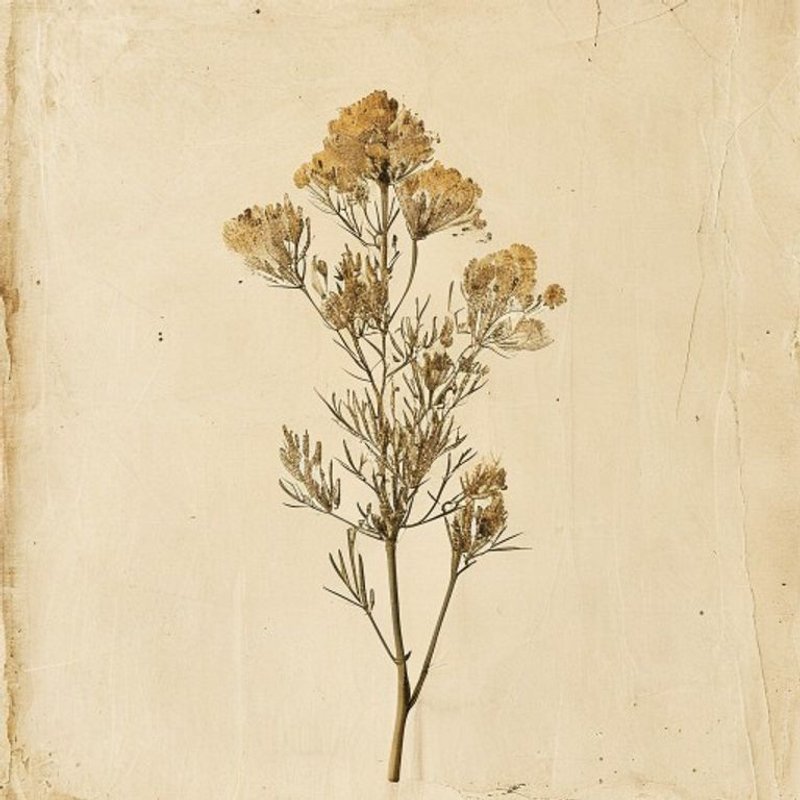
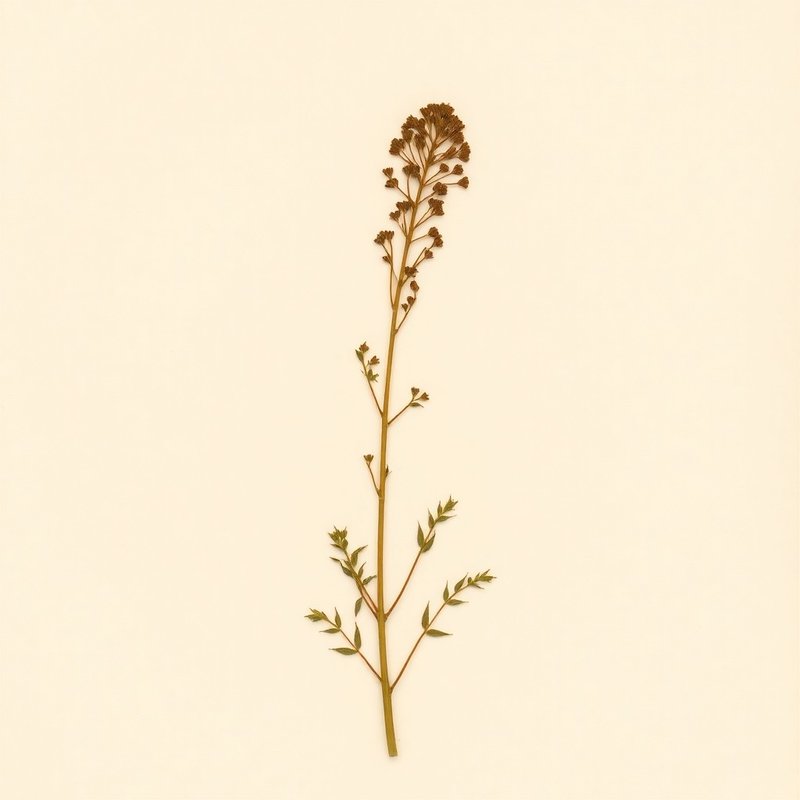
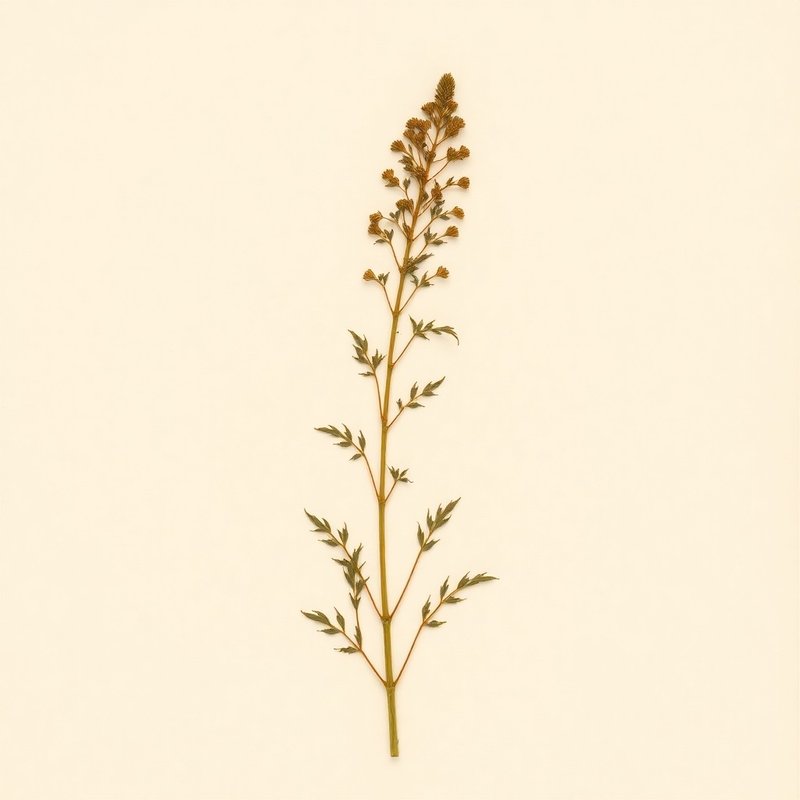
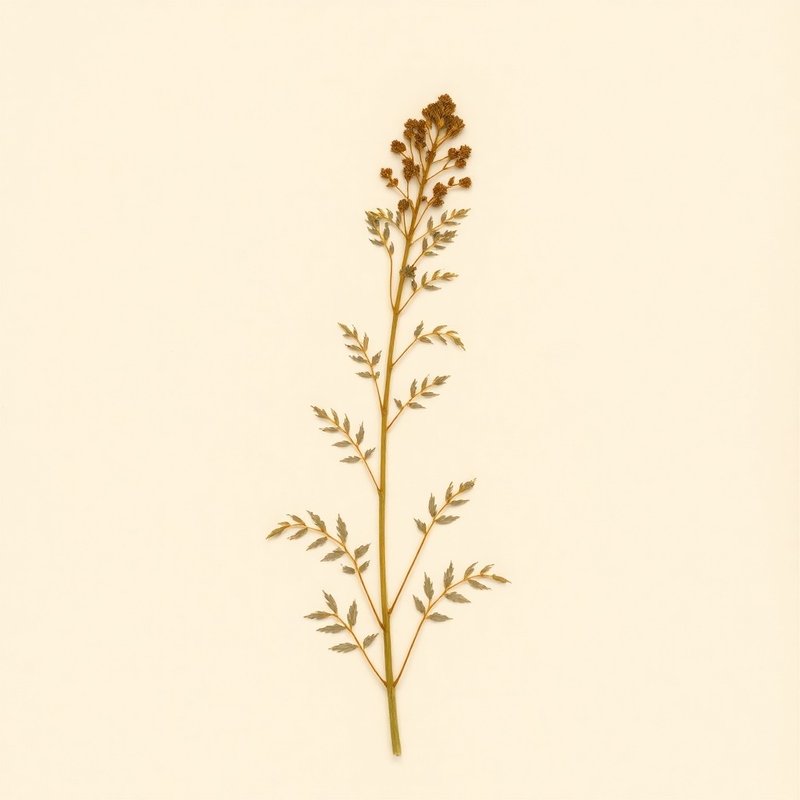
Amaranthus graecizans (Amaranthus graecizans) — botanical photograph
Amaranthus graecizans (Amaranthus graecizans)
X

See also

8 related
XI

Explore further

XII

About this entry

Last updated
Citation
How to cite this entry · Submit a correction
Back to the cataloguePlant id · ebcdb71e-94d6-4553-bdba-fec2414de054
❦❦❦❦
Endpaper · archive updates

Primește digest-ul săptămânal

Un email curat pe săptămână — profile noi de plante, note sezoniere de cultivare, adăugiri în arhiva de remedii. Gratuit, fără tracking, dezabonare oricând.

Newsletter returning soon.
We are rebuilding the update list around a lightweight editorial workflow. New dispatches will resume after the next content review cycle.
iCare notes