Skip to content
IIIFolio · plant profile№ A93Bedible
Data provenancePermapeopleTreflePFAFPOWOreviewed 14 Oct 2026methodology → read
Home/Plants/Amaranthaceae

Amaranthus standleyanus
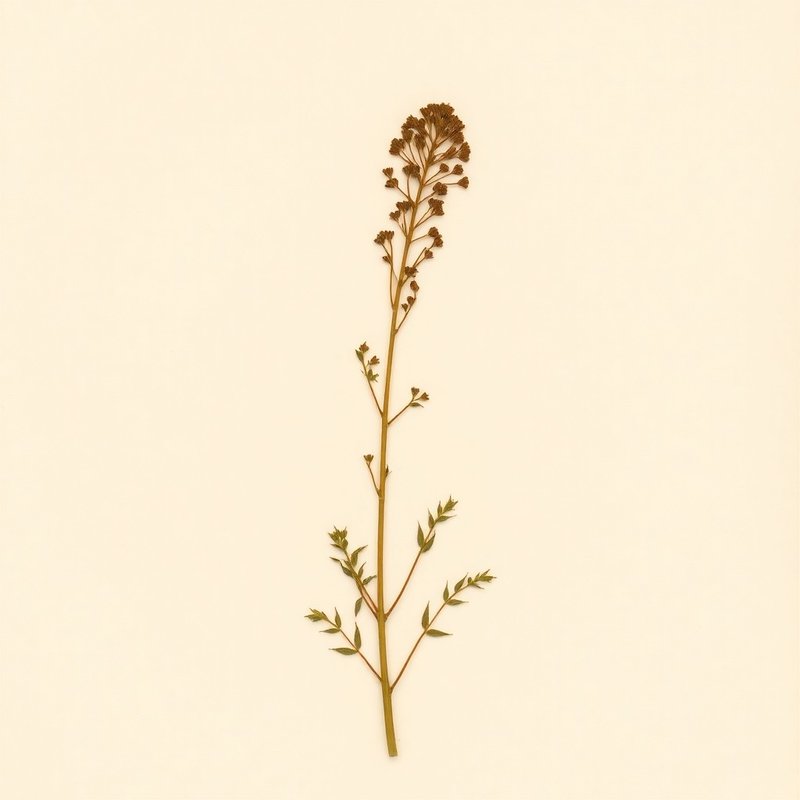
Amaranthus standleyanusfam. Amaranthaceae
Educational content — not medical, botanical, or professional advice. Plant identification, safety, and edibility depend on local conditions, cultivars, and correct identification. Consult a qualified botanist or forager before consuming or handling wild specimens. How we source & review →
edibleannualedibleedible leaf
Updated·Quick Q&A →
Garden journal pausedUse profile notes below
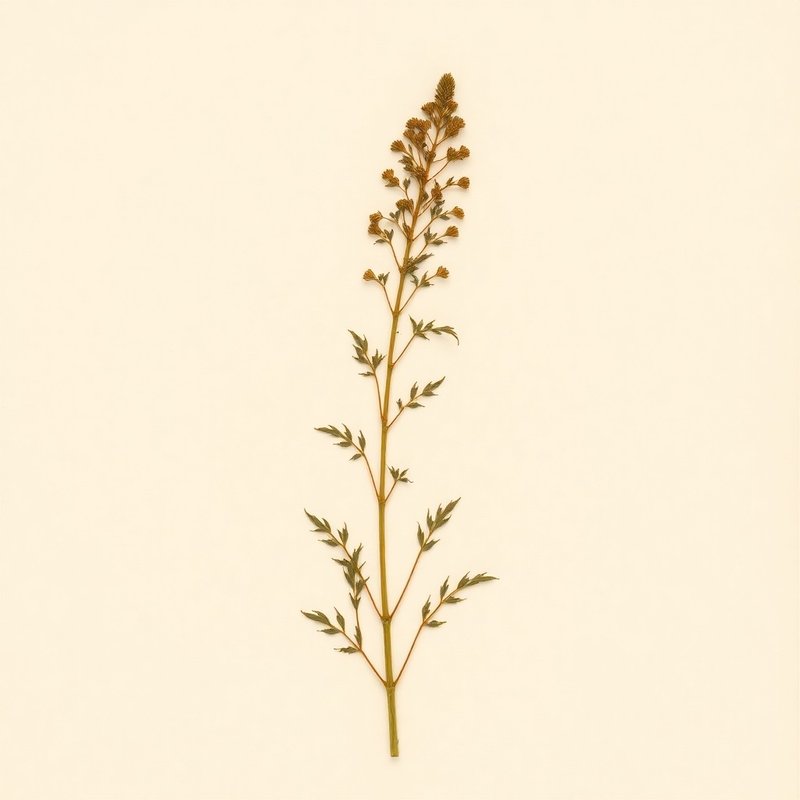
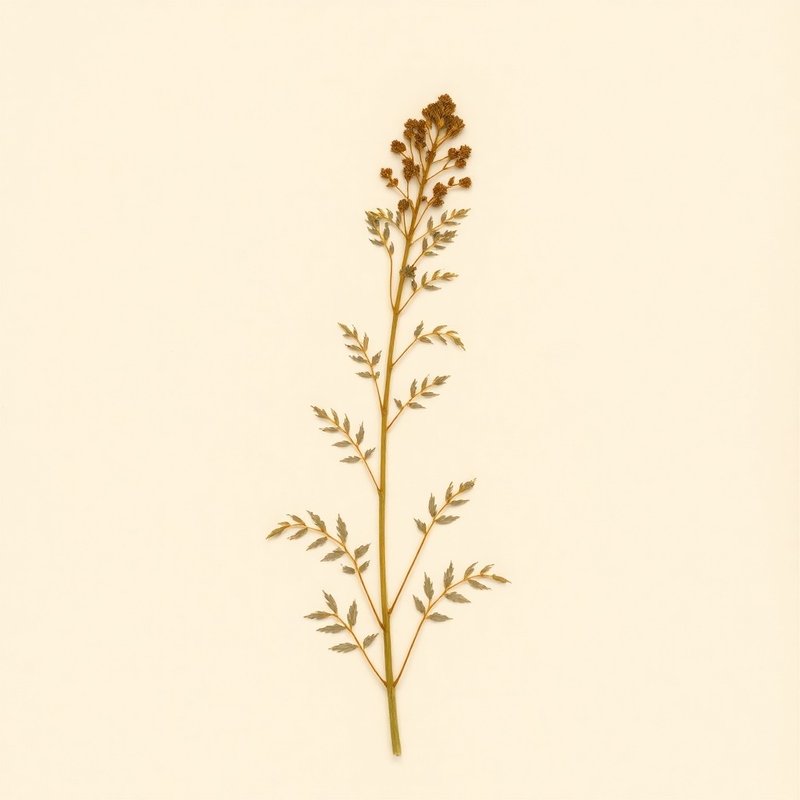
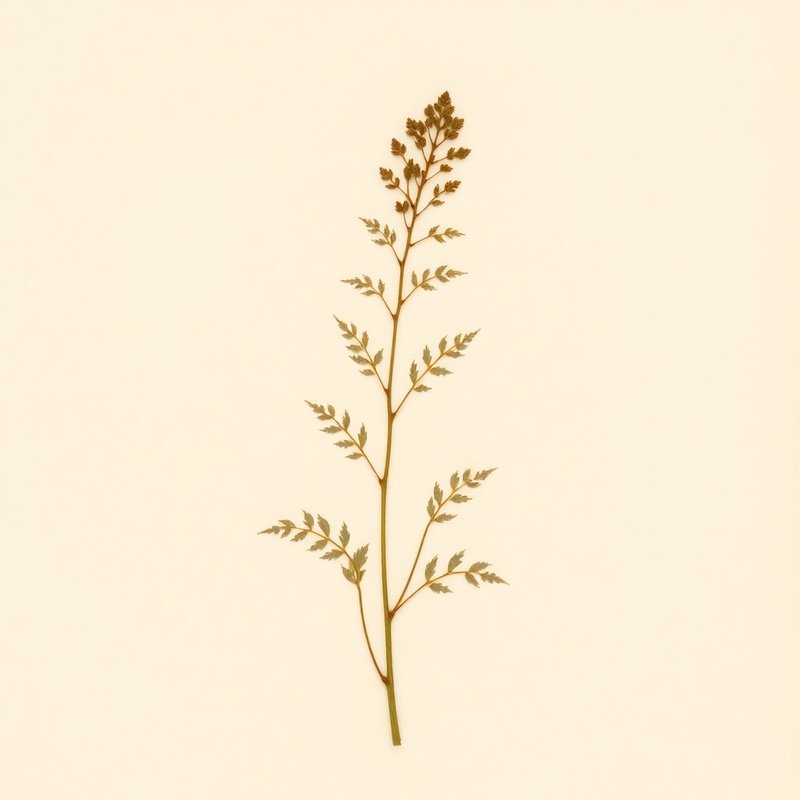
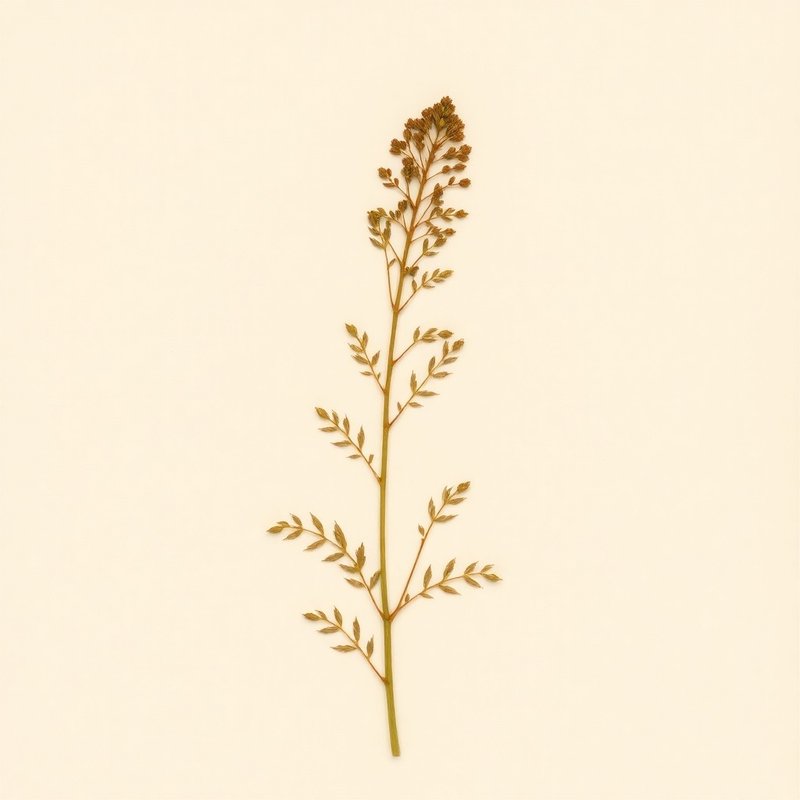
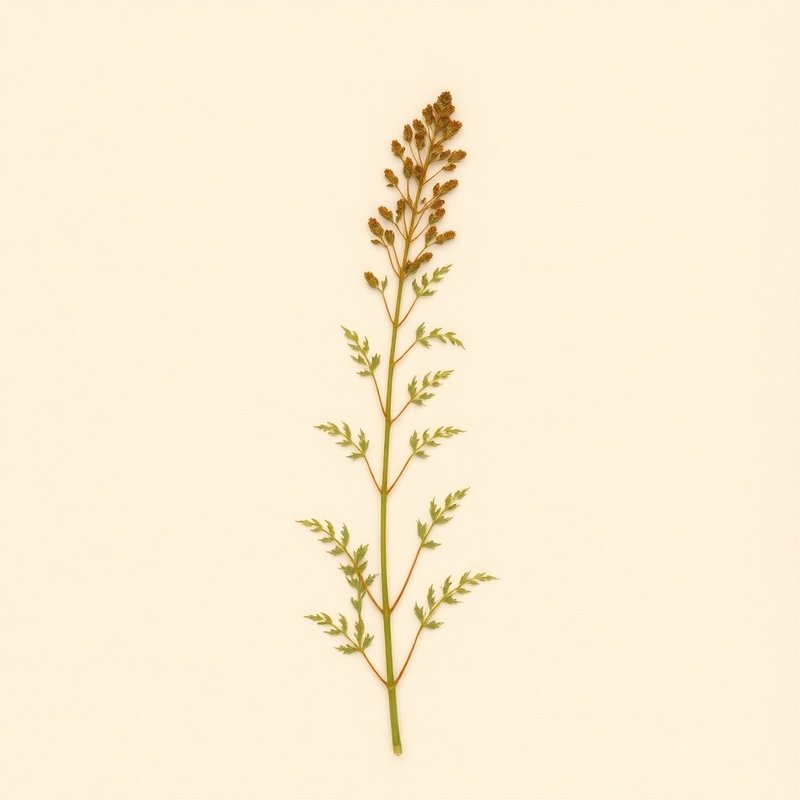
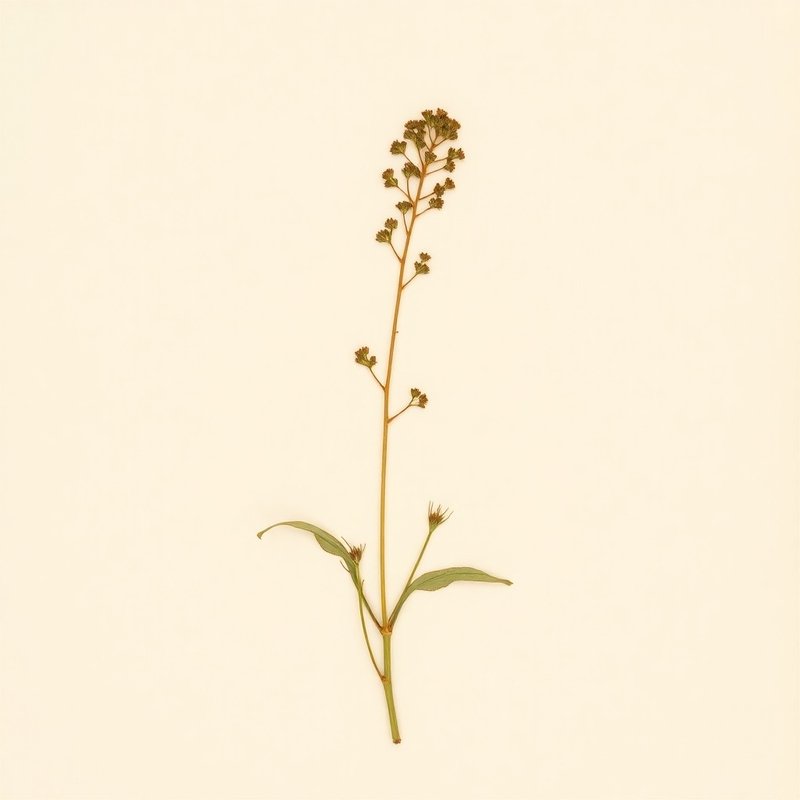
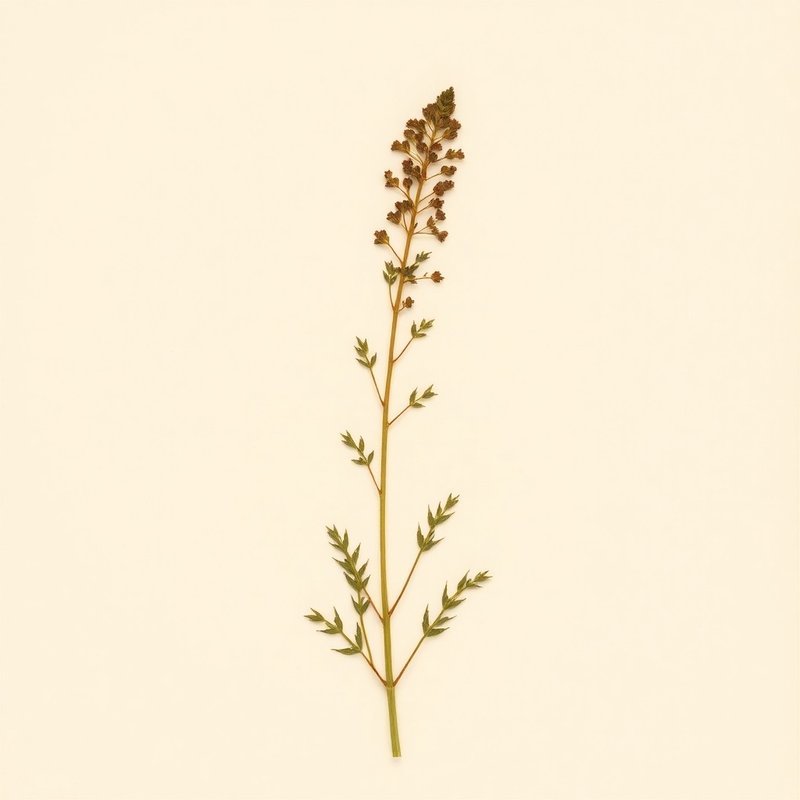
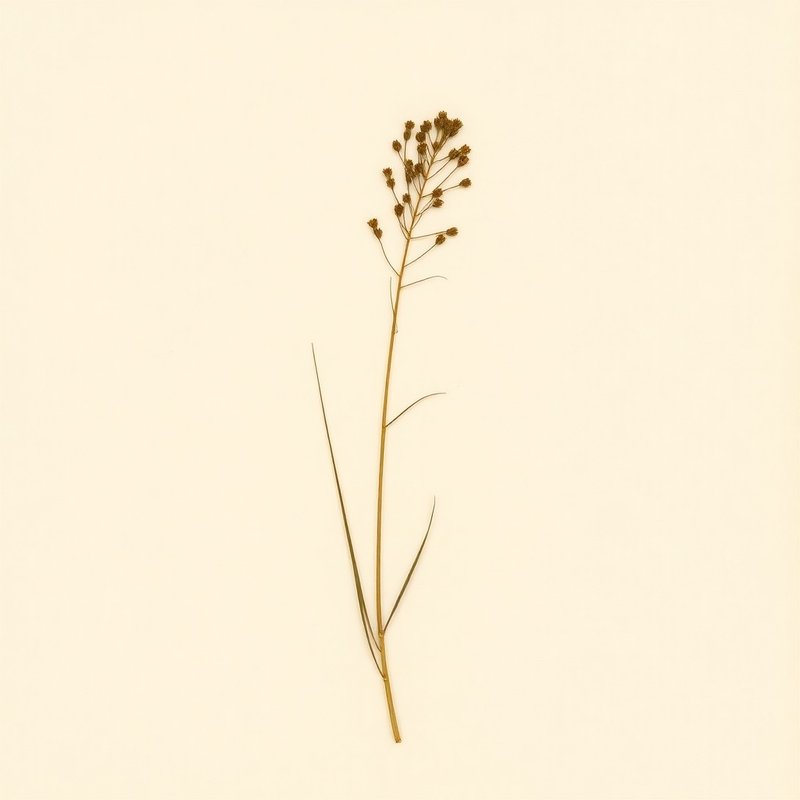
Amaranthus standleyanus (Amaranthus standleyanus) — botanical photograph
Pl. A93B — Amaranthus standleyanus
Amaranthus standleyanusAmaranthus standleyanusAmaranthus standleyanusAmaranthus standleyanusAmaranthus standleyanusAmaranthus standleyanusAmaranthus standleyanusAmaranthus standleyanusAmaranthus standleyanusAmaranthus standleyanusAmaranthus standleyanusAmaranthus standleyanusAmaranthus standleyanusAmaranthus standleyanus
I

Prezentare

Amaranthus standleyanus, cunoscut sub numele de Skip în engleză, este o plantă anuală nativă din regiunile nord-est și nord-vest ale Argentiniei, Bolíviei, Paraguayului și Urugvaiului. Această specie de amaranth se dezvoltă în mediul umed cu soluri de tip liniștit (sând), mediu sau greu (argila), preferând un pH între 7 și 7,5. Având o înălțime de aproximativ 0,7 m, Skip este notabil pentru faptul că plantele sale sunt consumabile, atât din punct de vedere alimentar, cât și ornamental. Adaptabilitatea sa la diverse tipuri de soli și cerințele sale de lumină (8 din 10) sugerează că poate crește în diferite condiții din rândul său nativ.

Quick answers

What is Amaranthus standleyanus?

Amaranthus standleyanus, cunoscut sub numele de Skip în engleză, este o plantă anuală nativă din regiunile nord-est și nord-vest ale Argentiniei, Bolíviei, Paraguayului și Urugvaiului.

Compare with:Amaranthus albus→Amaranthus frumentaceus→Amaranthus tenuifolius→all comparisons →
Growingconditions · propagation · uses
V

Cultivare

Amaranthus standleyanus se dezvoltă bine în soluri de tip liniștit sau mediu și preferă un mediu ușor alcalin cu pH între 7 și 7,5. Se adaptează la condiții umede dar poate tolera diverse texturi ale solului, de la sând la argila. Această plantă anuală crește până la o înălțime de aproximativ 0,7 m și este durabilă în regiuni temperate, fiind potrivită pentru hortul din multe climatizări. Pentru creșterea optimă, oferi lumină abundentă și menține solul umed constant. Pregătește plantele sale pentru utilizare culinară prin colectarea frunzilor și semințelor.
Light
8/10
Water
Moist
Soil
Light (sandy), Medium, Heavy (clay)
Life cycle
Annual
Mature size
0.7 m tall
Soil pH
7–7.5
For first-time growers

How to grow Amaranthus standleyanus for the first time

8steps

Start with Skip by planting it in a sunny spot and following these simple steps.

  1. 1

    What you'll need

    A packet of Skip seeds, a small trowel, and some compost.

  2. 2

    Best time to plant

    Plant Skip in spring after the last frost, when temperatures are mild.

  3. 3

    Soil and container prep

    Choose a spot with well-draining soil that is slightly acidic to neutral (pH 7-7.5).

  4. 4

    Sowing or transplanting

    Direct sow seeds about 0.5 inches deep, spacing them 6-8 inches apart in rows.

  5. 5

    First two weeks

    Keep the soil moist and provide light shade if temperatures are very warm.

  6. 6

    Ongoing care

    Water regularly to keep the soil consistently moist but not waterlogged. Mulch around plants to retain moisture.

  7. 7

    Harvest or pruning

    Prune leaves as needed for harvesting, and remove any yellowing foliage to encourage new growth.

  8. 8

    Common mistakes

    Overwatering, planting in heavy clay soil, and not providing enough light are common issues beginners face.

VI

Edible & utility

Edible parts:LeavesSeed
Edible uses: The amaranth species Amaranthus standleyanus is edible and its leaves and seeds can be consumed. The leaves are often eaten fresh or cooked, while the seeds may be used in various preparations such as grinding into flour or being boiled. Both parts of the plant can be enjoyed raw or prepared through cooking methods.
Other uses:DyeDynamic accumulator
Contextrange · companions · related
VII

Distribuție

5 native · 23 introduced
Distribution across4 continents· 5 native· 23 introduced
Europe13 regions
introduced (13)AustriaBelgiumDenmarkFinlandFranceGermanyHungaryItalyNetherlandsPolandSpainSwedenUnited Kingdom
Asia1 region
introduced (1)China
Americas3 regions
native (3)BoliviaParaguayUruguay
Africa4 regions
introduced (4)Cabo VerdeLibyaMoroccoTunisia
Broader regions
native:Argentina Northeast, Argentina Northwest
introduced:Ascension, Baltic States, Free State, Turkey-in-Europe
IX

Specimen gallery

1 image
Amaranthus standleyanus (Amaranthus standleyanus) — botanical photograph
Amaranthus standleyanus (Amaranthus standleyanus)
X

See also

8 related
XI

Explore further

XII

About this entry

Last updated
Citation
How to cite this entry · Submit a correction
Back to the cataloguePlant id · a93b2b92-45b9-4c67-9f13-069d201857be
❦❦❦❦
Endpaper · archive updates

Primește digest-ul săptămânal

Un email curat pe săptămână — profile noi de plante, note sezoniere de cultivare, adăugiri în arhiva de remedii. Gratuit, fără tracking, dezabonare oricând.

Newsletter returning soon.
We are rebuilding the update list around a lightweight editorial workflow. New dispatches will resume after the next content review cycle.
iCare notes