
Azorella selago
Azorella selagofam. Caryophyllaceae
Educational content — not medical, botanical, or professional advice. Always consult a qualified clinician before using any herbal preparation — especially during pregnancy, breastfeeding, while on medication, or for children. How we source & review →
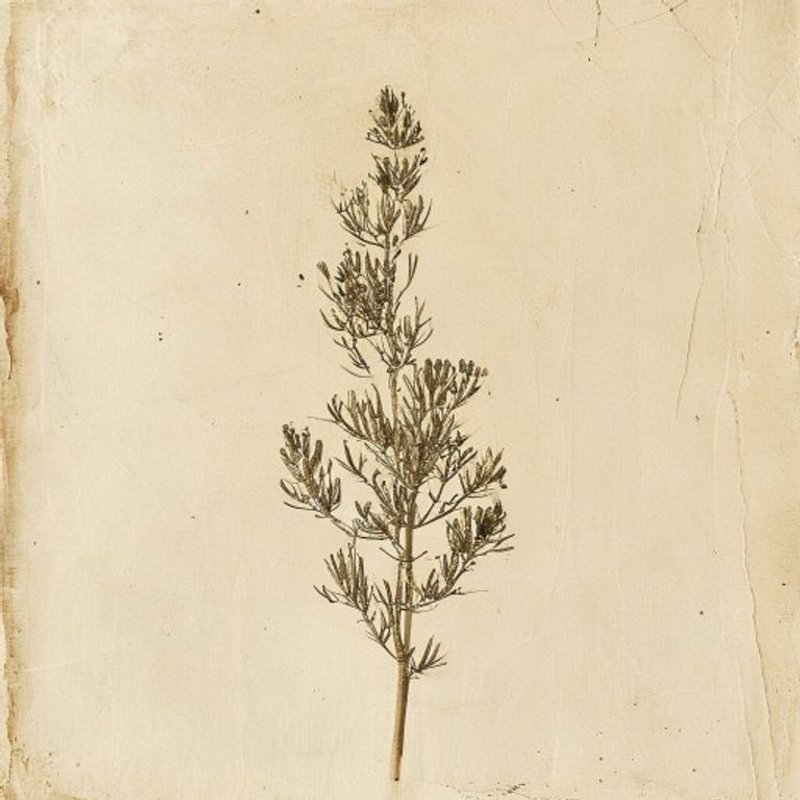
Pl. 970E — Azorella selago
Azorella selagoAzorella selagoAzorella selagoAzorella selagoAzorella selagoAzorella selagoAzorella selagoAzorella selagoAzorella selagoAzorella selagoAzorella selagoAzorella selagoAzorella selagoAzorella selago
IPrezentare
Prezentare
Azorella selago, cunoscută sub numele de Azorella selago, este o plantă perenială nativă în regiunile sudice ale Argentiniei și a Chilului, precum și pe câteva insule subantartice, inclusiv Crozet, Falkland, Heard-McDonald, Kerguelen și Marion-Prince Edward. Această plantă rezistentă se dezvoltă în zonă de soare plin și preferă condiții securi sau umide cu sustrat liniștit (sandy). Având o înălțime de aproximativ 0,6 m, este atât ornamental cât și consumabil, cu rădăcinile fiind parte utilizată pentru consum. Adaptabilitatea sa la diverse medii îi face presusuat în zona sa nativă.
Quick answers
What is Azorella selago?
Azorella selago, cunoscută sub numele de Azorella selago, este o plantă perenială nativă în regiunile sudice ale Argentiniei și a Chilului, precum și pe câteva insule subantartice, inclusiv Crozet, Falkland, Heard-McDonald, Kerguelen și Marion-Prince Edward.
What is Azorella selago used for?
Traditionally used for immune support, digestion. Each claim is evidence-rated — see Section II for full citations.
Best for
Top 2 evidence-ranked uses of Azorella selago
Clinicaluses · safety · chemistry · dosagemedicinal profile
IIBeneficii și dovezi
2 claims · 0 sources
Beneficii și dovezi
2 claims · 0 sources- Azorella selago is traditionally used in South American herbal medicine to support the immune system, often prepared as a tea or decoction.
The mechanism by which Azorella selago supports the immune system is not fully characterised but may involve compounds with antioxidant and anti-inflammatory properties.
- Azorella selago has been traditionally used in South American herbal medicine for digestive issues, often prepared as a decoction to soothe the stomach and aid digestion.
The mechanism by which Azorella selago supports digestion is not fully characterised but may involve compounds that interact with gastrointestinal receptors or enzymes.
IV·bMixology suggestions
1 draft
Mixology suggestions
1 draftEditorial drafts. These pairings are AI-suggested from traditional herbal lore. Always verify with a qualified herbalist before brewing.
Azorella selago support blend
generaltea
AI returned a direct ingredient list; normalized into one draft blend for editorial review.
Growingconditions · propagation · uses
VCultivare
Cultivare
Azorella selago se dezvoltă în zonă de soare plin și preferă sustraturi liniștite, sandy, care sunt securi sau umide. Este o plantă perenială care ajunge până la 0,6 m în înălțime și este rezistentă în regiuni temperate. Pentru propagare, puteți folosi părțile rădăcini. Asigurați-vă că sustratul se îndrăznește bine pentru a preveni apătarea, menținând niveluri adecvate de umiditate în perioadele de creștere. Această plantă este nativă în America de Sud și insulele Oceanului de Lucru, făcând-o adaptabilă la diverse climatelor, dar necesitând soare plin pentru sănătate optimă.
Light
Full sun
Water
Dry, Moist
Soil
Light (sandy)
Life cycle
Perennial
Mature size
0.6 m tall
For first-time growers
How to grow Azorella selago for the first time
8steps
Start with a simple, low-maintenance plant that thrives in full sun and well-draining soil.
- 1
What you'll need
Skip seeds or small plants, a container or garden bed, good quality potting mix if planting in containers.
- 2
Best time to plant
Plant Skip during the spring when temperatures are mild and there's no risk of frost.
- 3
Soil and container prep
Ensure your soil is well-draining; add perlite or sand for better drainage if needed. For containers, use a pot with drainage holes.
- 4
Sowing or transplanting
Plant Skip in the ground 0.5 to 1 cm deep and about 20-30 cm apart. In containers, plant at the same depth as it was previously growing.
- 5
First two weeks
Water sparingly but ensure the soil doesn't dry out completely. Keep the area weed-free to prevent competition for nutrients.
- 6
Ongoing care
Skip prefers full sun and light, sandy soil. Water only when the top inch of soil is dry. Fertilize minimally with a balanced organic fertilizer once or twice during the growing season.
- 7
Harvest or pruning
Prune Skip in late winter to encourage new growth and maintain its shape. Avoid harvesting roots as they are not commonly used.
- 8
Common mistakes
Overwatering, planting too deep, neglecting to prune, using heavy fertilizers, and exposing the plant to extreme temperatures.
VIEdible & utility
Edible & utility
Edible parts:Root
Edible uses: The root of Azorella selago is edible and can be consumed raw or cooked. Typically, it is prepared by boiling to soften the texture before eating.
Contextrange · companions · related
VIIDistribuție
7 native · 0 introduced
Distribuție
7 native · 0 introducedDistribution across0 continents· 7 native
Broader regions
native:Argentina South, Chile South, Crozet Is., Falkland Is., Heard-McDonald Is., Kerguelen, Marion-Prince Edward
IXSpecimen gallery
1 image
Specimen gallery
1 imageXSee also
8 related
See also
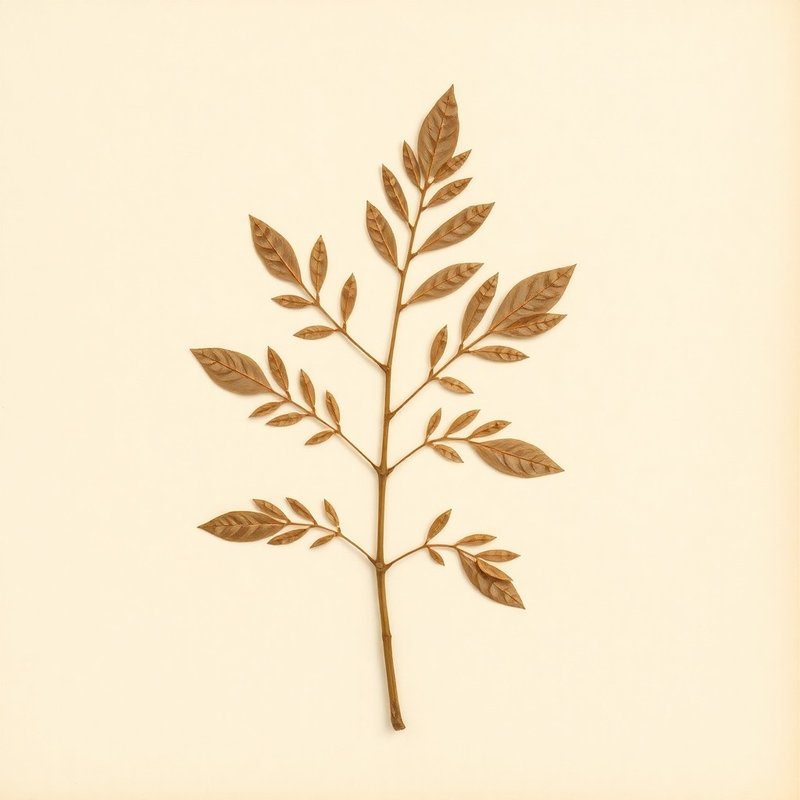
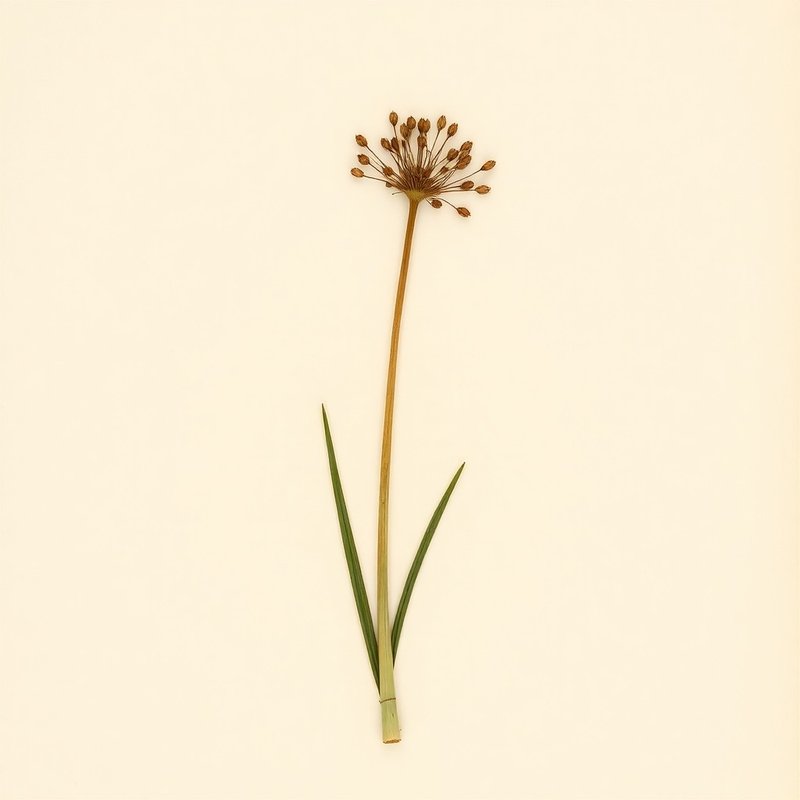
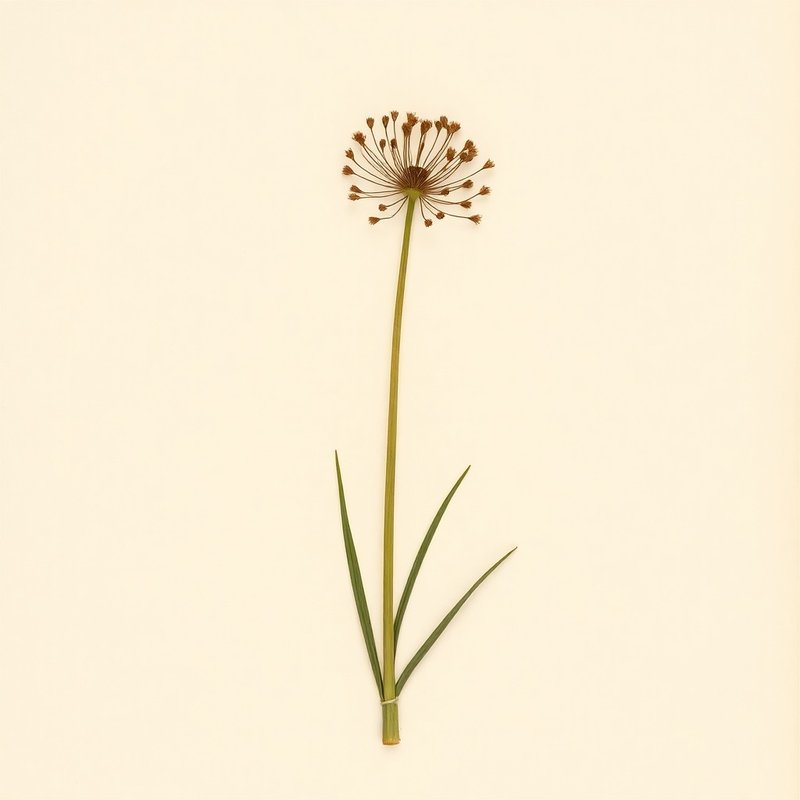
8 relatedPlants you might compare or use together — scored by shared family (Caryophyllaceae), common use cases, and growing requirements.
same family · Caryophyllaceae
Botanical relatives — often share phytochemistry + growing needs.
shared use cases
Different families, similar therapeutic role — good for comparing.


XI
Explore further
Companion planting
Health goals
Compare with similar plants
XII
About this entry
- Last updated
- Citation
- How to cite this entry · Submit a correction
Back to the cataloguePlant id · 970ee0a0-5cd9-45c4-99ad-83fdfcf6525a
Decision aid
Choosing between Azorella selago and something else?
Continue reading
❦❦❦❦
Endpaper · archive updates
Primește digest-ul săptămânal
Un email curat pe săptămână — profile noi de plante, note sezoniere de cultivare, adăugiri în arhiva de remedii. Gratuit, fără tracking, dezabonare oricând.