
Celtis jessoensis

IPrezentare
Prezentare
Celtis jessoensis, cunoscută sub numele de berce japoneză, este un arbore decidu cu origine în Japonia și Coreea. Înflorșează în zonile expuse întregi până la parțială și preferă sustraturi bine aeriate care pot fi sec sau umide. Această plantă crește până la 15 de metri și este adaptabilă în diferite condiții, având zonele de durabilitate între 5-9. În principal cunoscut pentru valorile sălbatici sale, fructele Celtis jessoensis sunt comestibile, făcându-le o adăugare versatilă în landscape-uri unde lângă frunzele sale verzi de verde slăbit și mici prunele pot adăuga interes pe parcursul sezonilor.
What is Celtis jessoensis?
Celtis jessoensis, cunoscută sub numele de berce japoneză, este un arbore decidu cu origine în Japonia și Coreea. Înflorșează în zonile expuse întregi până la parțială și preferă sustraturi bine aeriate care pot fi sec sau umide.
What is Celtis jessoensis used for?
Traditionally used for immune support, digestion. Each claim is evidence-rated — see Section II for full citations.
IIBeneficii și dovezi
2 claims · traditional-use context
Beneficii și dovezi
2 claims · traditional-use context- Celtis jessoensis is traditionally used in East Asian medicine to support the immune system. A decoction of the bark or leaves may help maintain overall health during seasonal changes.
The mechanism is not fully characterised but likely involves compounds that have antioxidant and anti-inflammatory properties, which can support immune function.
▲ ModerateImmune support → - Celtis jessoensis has been traditionally used in East Asian medicine for digestive issues, such as bloating and indigestion. A decoction of the bark or leaves may help alleviate these symptoms.
The mechanism is not fully characterised but likely involves compounds that support gastrointestinal motility and reduce inflammation.
▲ ModerateDigestion →
IV·bMixology suggestions
1 draft
Mixology suggestions
1 draftVCultivare
Cultivare
How to grow Celtis jessoensis for the first time
Start with a simple planting of Skip to gain experience in caring for this tree.
- 1
What you'll need
A young Skip sapling, well-draining soil, and a large container or garden space.
- 2
Best time to plant
Plant Skip in early spring or late autumn when the weather is mild.
- 3
Soil and container prep
Ensure the soil is loose and sandy with good drainage. For containers, use a mix of potting soil and perlite.
- 4
Sowing or transplanting
Transplant the sapling carefully, ensuring not to damage the roots. Water thoroughly after planting.
- 5
First two weeks
Keep the soil moist but avoid overwatering. Place in a sunny spot and monitor for signs of stress.
- 6
Ongoing care
Water when the top inch of soil feels dry, especially during hot weather. Fertilize sparingly with a balanced fertilizer once a year.
- 7
Harvest or pruning
Prune in late winter to maintain shape and remove any dead or diseased branches.
- 8
Common mistakes
Overwatering, not providing enough sunlight, and neglecting proper pruning are common issues beginners should avoid.
VIEdible & utility
Edible & utility
VIIDistribuție
2 native · 0 introduced
Distribuție
2 native · 0 introducedIXSpecimen gallery
1 image
Specimen gallery
1 imageXSee also
8 related
See also
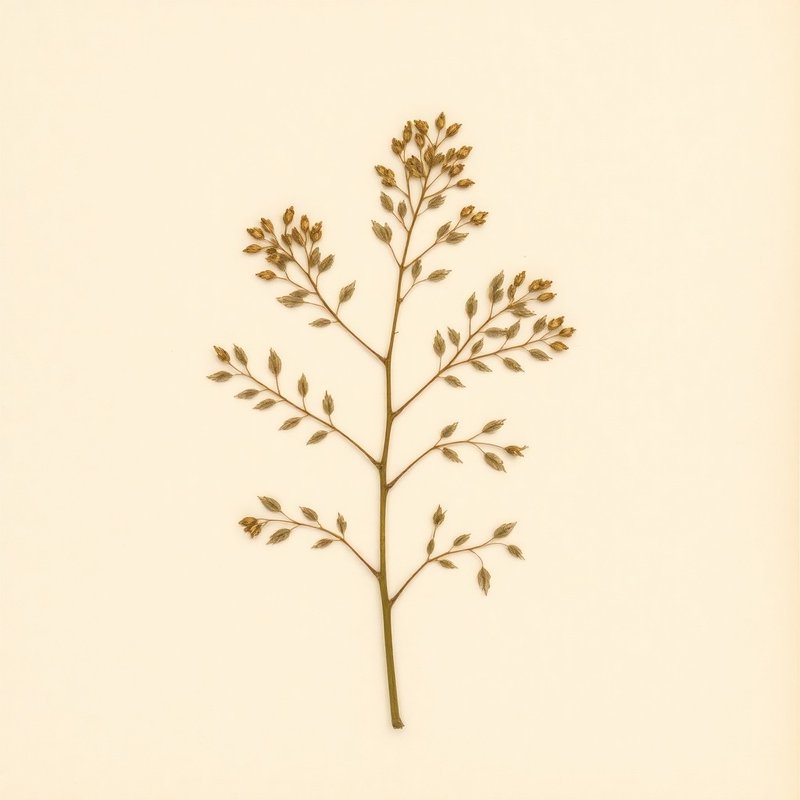
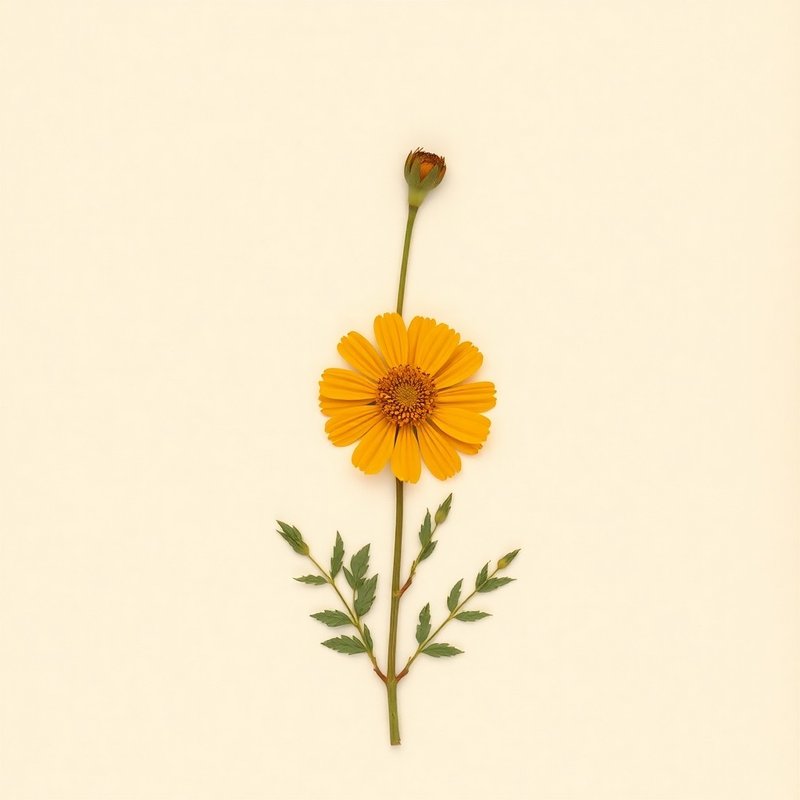
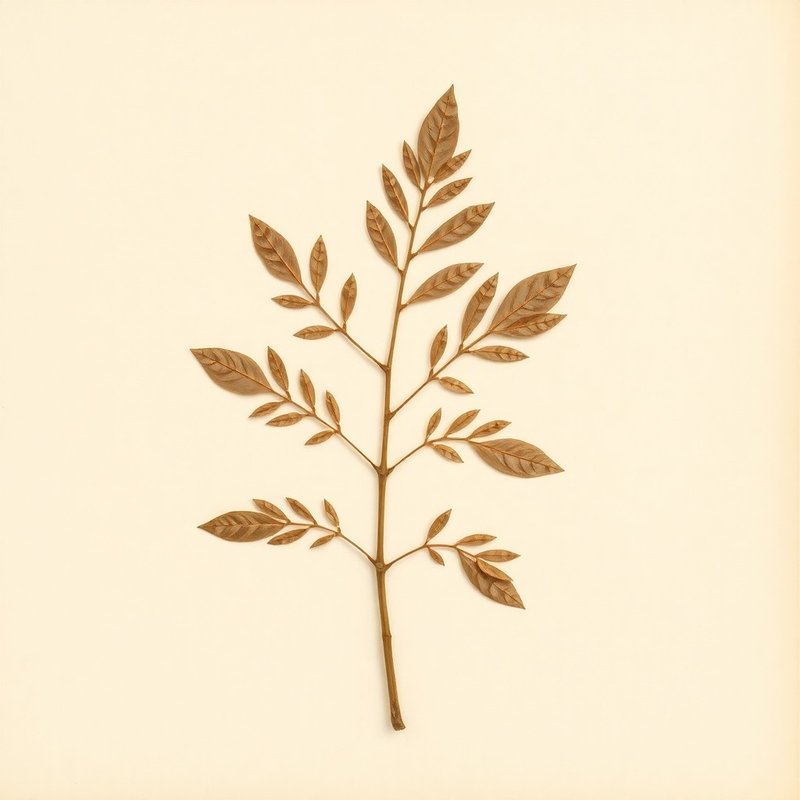
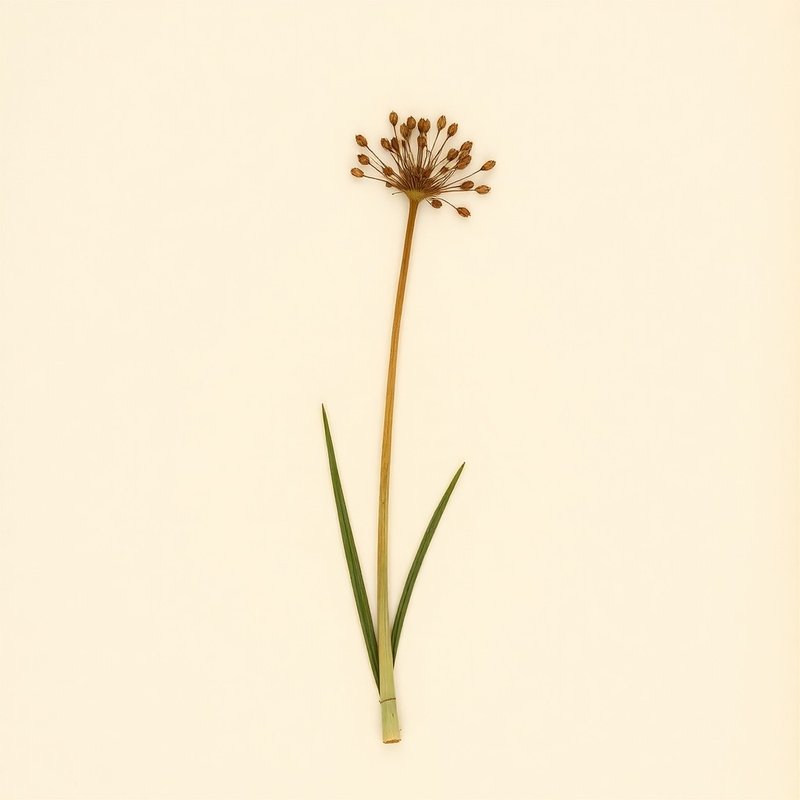
8 relatedPlants you might compare or use together — scored by shared family (Urticaceae), common use cases, and growing requirements.
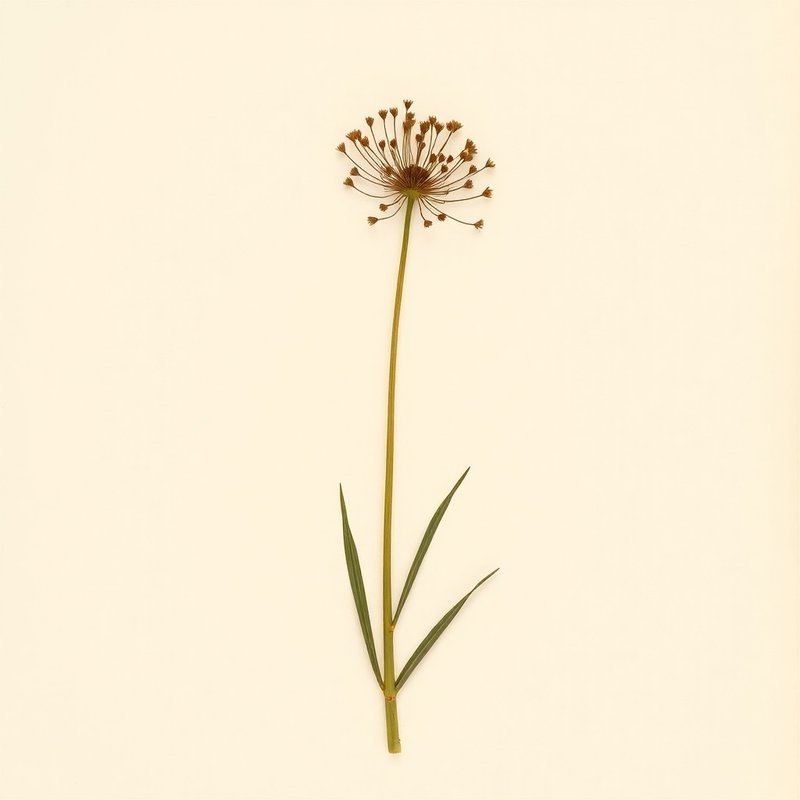
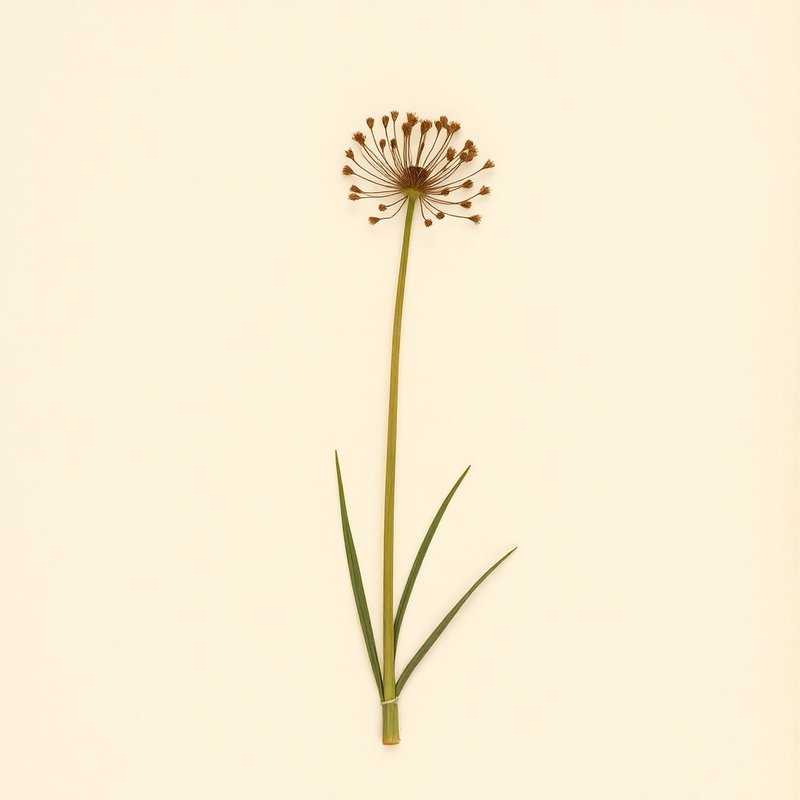
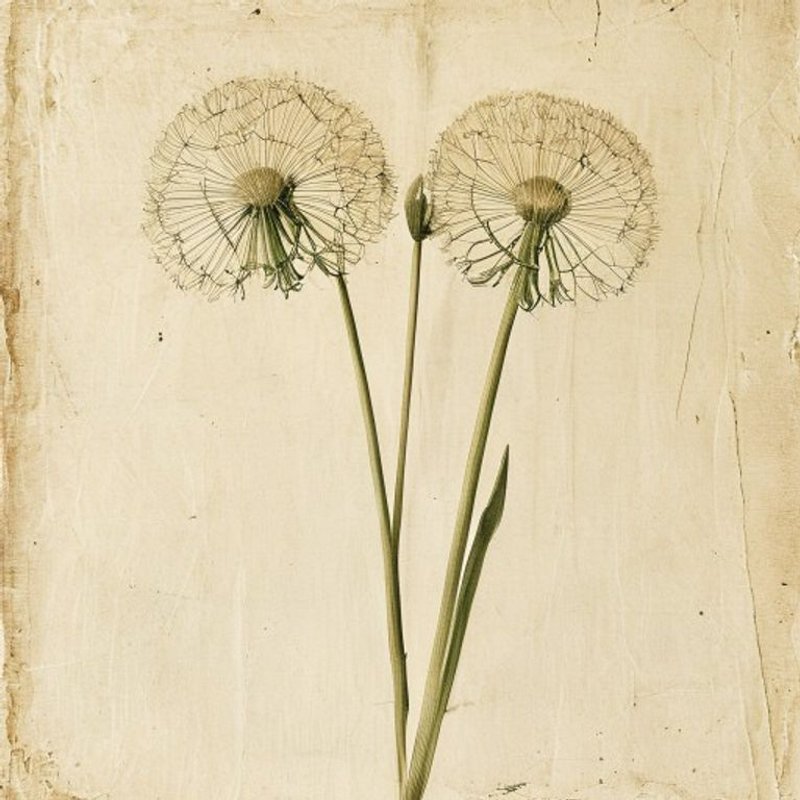

Explore further
About this entry
- Last updated
- Citation
- How to cite this entry · Submit a correction
Continue reading
Primește digest-ul săptămânal
Un email curat pe săptămână — profile noi de plante, note sezoniere de cultivare, adăugiri în arhiva de remedii. Gratuit, fără tracking, dezabonare oricând.