
Hawthorn
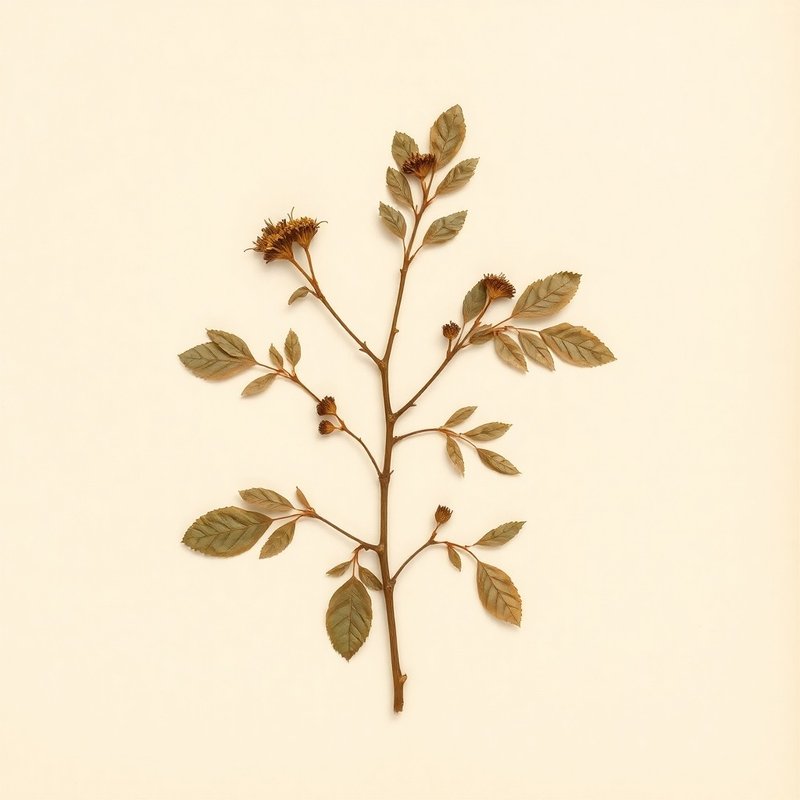
IPrezentare
Prezentare
Crataegus monogyna este o plante deciduă de tip arbore sau arbust cunoscut pentru formă ușoară și aerată, găsită în mod obișnuit pe Europa, Marea Orientului și unele regiuni din Africa de Nord. Nativă în Albania, Algeria, Austria și alte zone, această plante reziste la condiții umide și bogate, având terenuri care pot varia de la ușoare (sandy) până la grele (clay). Această plantă solidară crește până la 6 metri în înălțime și este apreciată pentru fiori, fructe, lângiuri și tulearii sănătoase. Preferința sa pentru un nivel de pH între 6 și 7,2 o face adaptabilă în diferite situații din jardincile. În timp ce Crataegus monogyna este în principal apreciat pentru valorile sale ornamentale, fructele și lângiurile sale sunt utilizate și în aplicări culinare.
What is Hawthorn?
Crataegus monogyna este o plante deciduă de tip arbore sau arbust cunoscut pentru formă ușoară și aerată, găsită în mod obișnuit pe Europa, Marea Orientului și unele regiuni din Africa de Nord.
What is Hawthorn used for?
Traditionally used for immune support. Each claim is evidence-rated — see Section II for full citations.
IIBeneficii și dovezi
1 claim · traditional-use context
Beneficii și dovezi
1 claim · traditional-use context- Traditional-use note: Hawthorn appears in herbal sources around seasonal wellness traditions, often as a tea. PlantSage presents this as ethnobotanical context, not as medical advice.
Traditional context only. This reviewed claim keeps the original low confidence level, but avoids treatment, disease, dosage, or guaranteed-effect language.
▲ LimitedImmune support →
IV·bMixology suggestions
1 draft
Mixology suggestions
1 draftVCultivare
Cultivare
How to grow Hawthorn for the first time
Start with planting a hawthorn tree for its hardiness and ease of care.
- 1
What you'll need
A young hawthorn sapling, garden gloves, a spade or trowel.
- 2
Best time to plant
Plant in spring or autumn when the weather is cooler and more stable.
- 3
Soil and container prep
Choose a spot with moist but well-draining soil. Ensure the pH is between 6 and 7.2.
- 4
Sowing or transplanting
Transplant young saplings directly into the garden, spacing them about 4 to 5 meters apart.
- 5
First two weeks
Water regularly to keep the soil moist but not waterlogged. Monitor for any signs of pests or diseases.
- 6
Ongoing care
Prune in late winter to maintain shape and remove dead branches. Watch for aphids and caterpillars.
- 7
Harvest or pruning
Prune regularly to encourage a healthy structure. Harvest flowers, fruits, and leaves as needed for crafts or teas.
- 8
Common mistakes
Overwatering, planting in too heavy soil, neglecting regular pruning.
VIEdible & utility
Edible & utility
VIIDistribuție
48 native · 40 introduced
Distribuție
48 native · 40 introducedIXSpecimen gallery
1 image
Specimen gallery
1 imageXSee also
8 related
See also
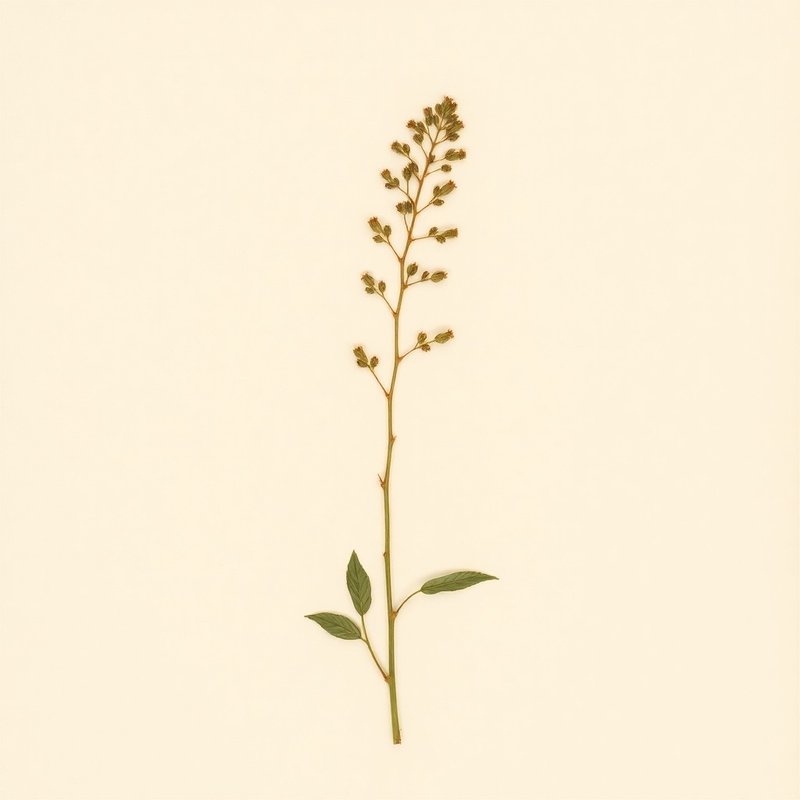
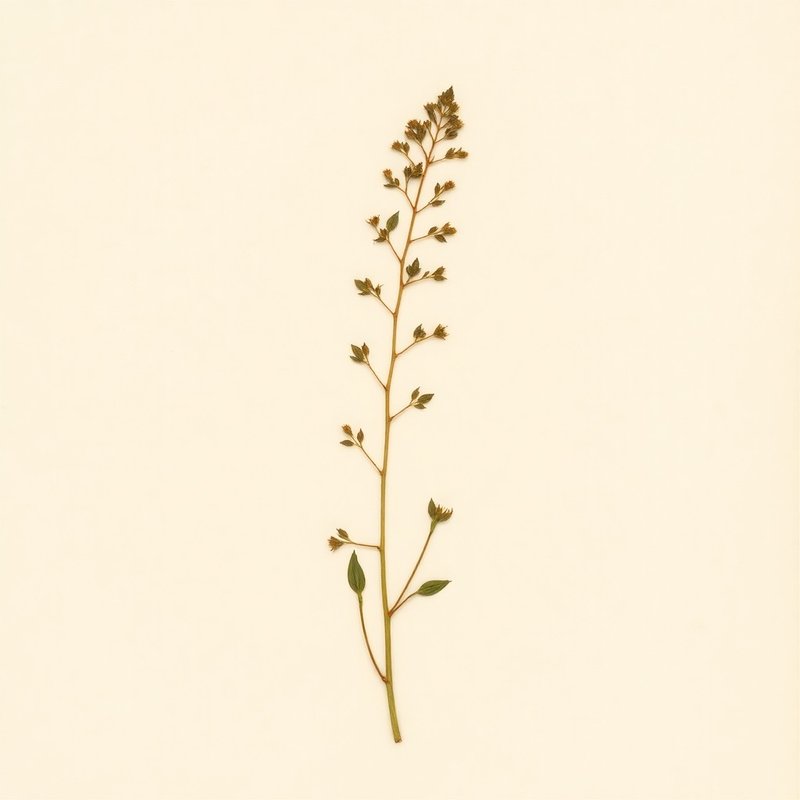
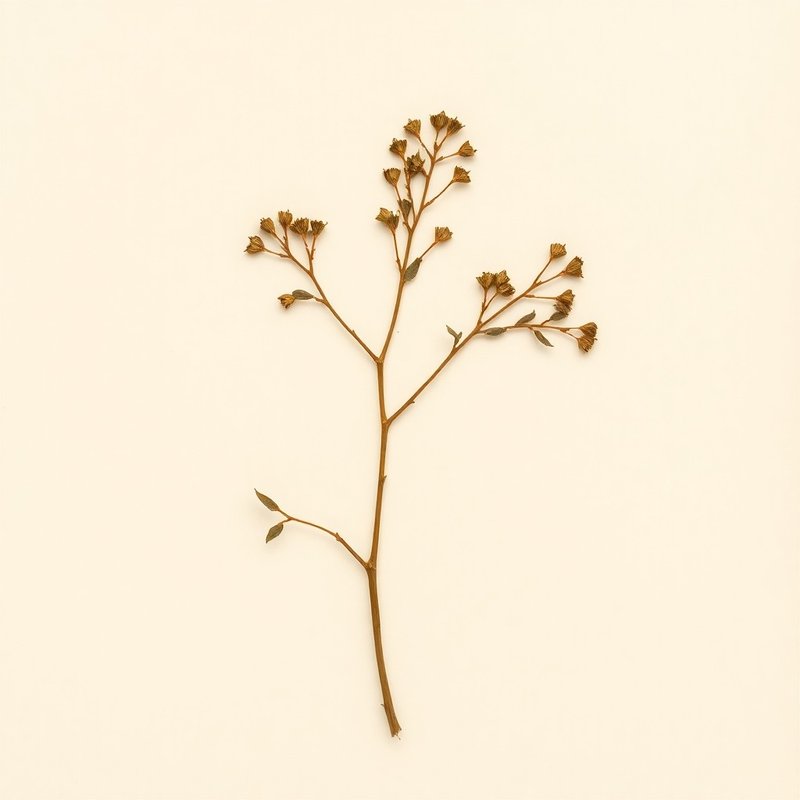
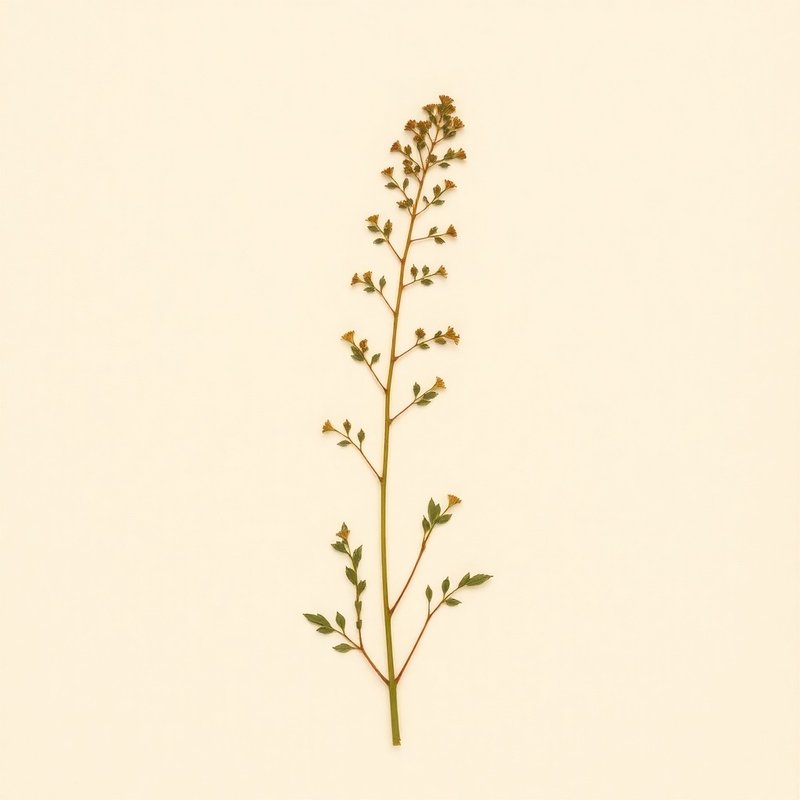
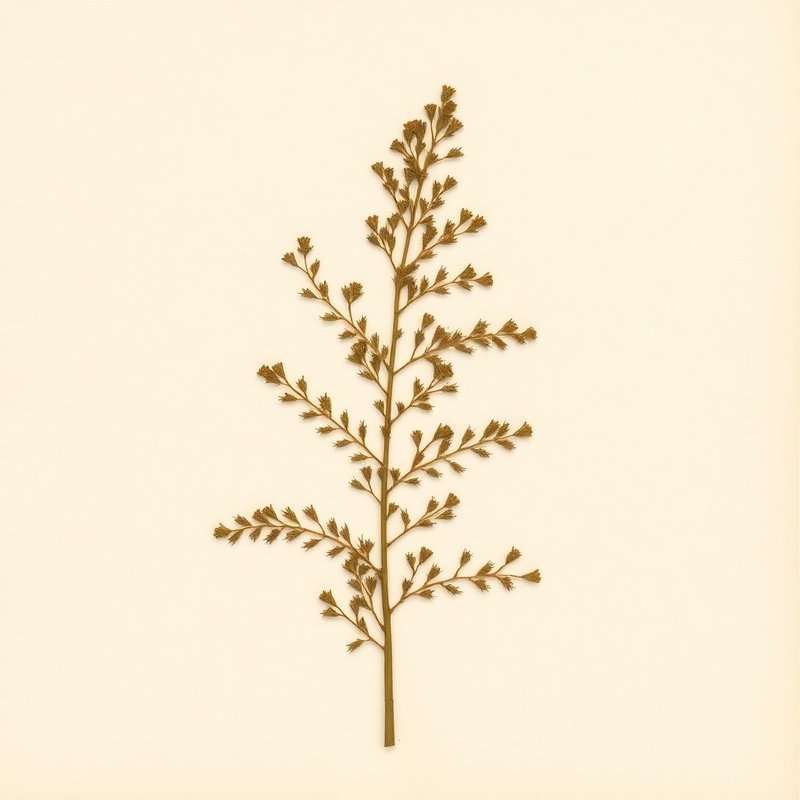
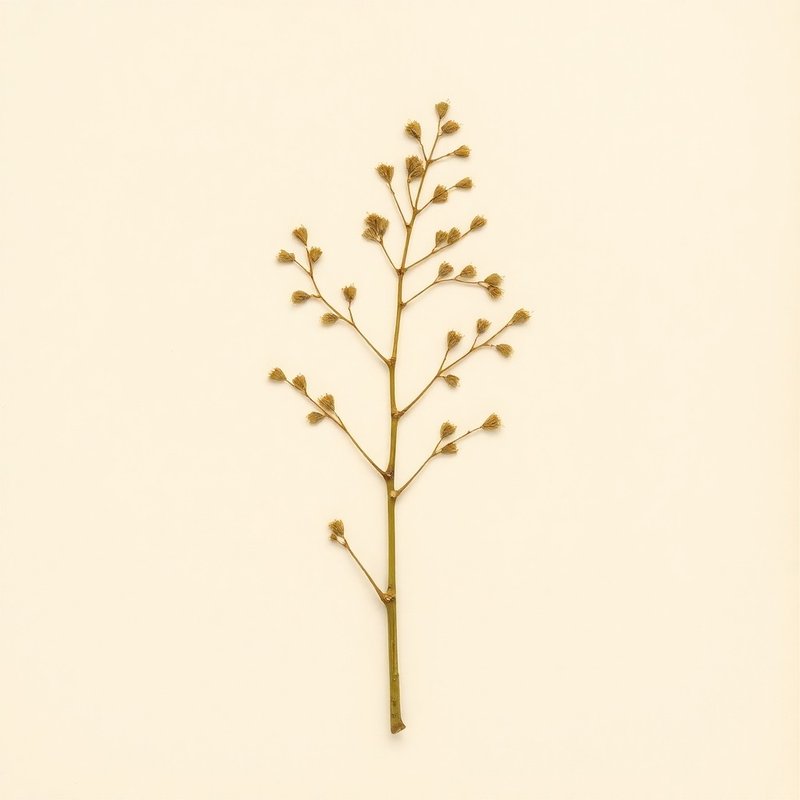
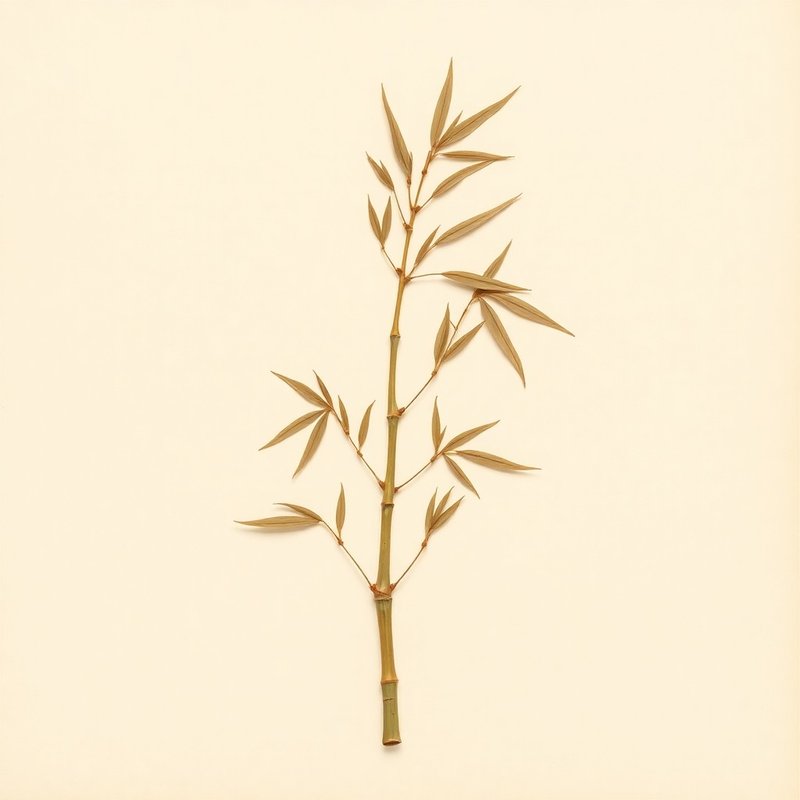
8 relatedPlants you might compare or use together — scored by shared family, common use cases, and growing requirements.
Explore further
About this entry
- Last updated
- Citation
- How to cite this entry · Submit a correction
Continue reading
Primește digest-ul săptămânal
Un email curat pe săptămână — profile noi de plante, note sezoniere de cultivare, adăugiri în arhiva de remedii. Gratuit, fără tracking, dezabonare oricând.