
Red Bloodwood
IPrezentare
Prezentare
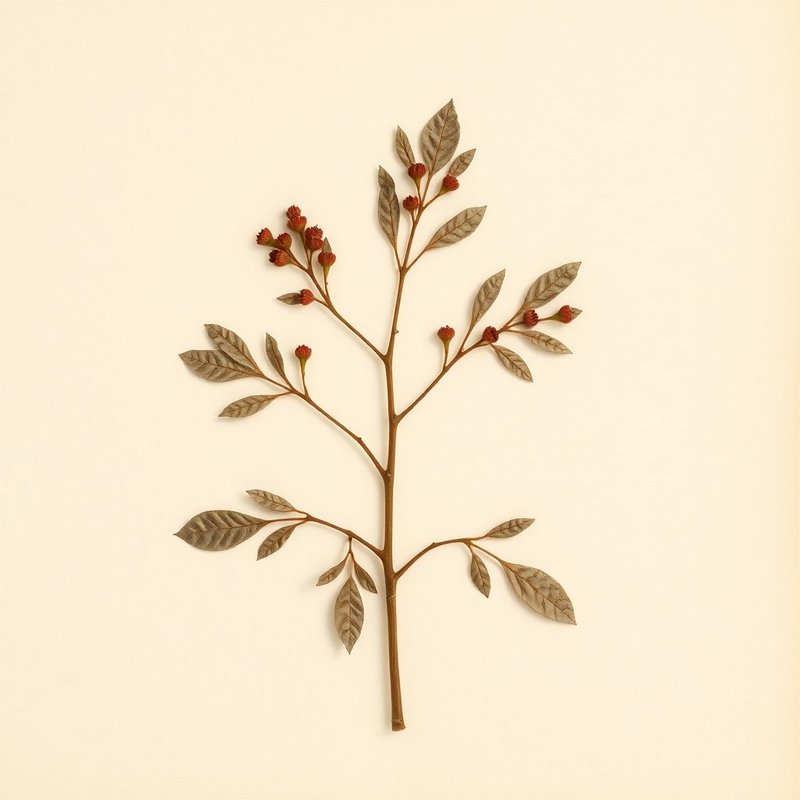
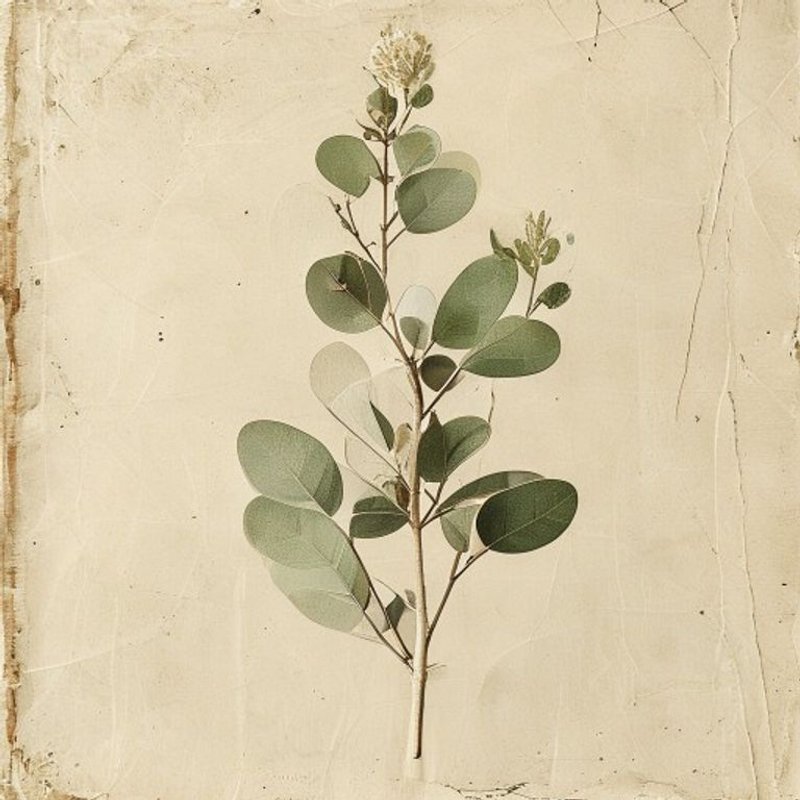
Eucalitopul Roșu (Eucalyptus gummifera), cunoscut scientific sub denumirea de Eucalyptus gummifera, este un arbore nativ în regiunile estice ale Australiei, specifice Noua Gresia de Vest, Queensland și Victoria. Această specie de eucalit se adaptează la diverse tipuri de soluri, inclusiv soluri ușoare (sând), medii și grele (argila), dar preferă soluri bine drenate. Necesită soare plin pentru creșterea optimă și poate tolera atât condițiile seci, cât și umide. Cunoscut pentru nectarul său consumabil, Eucalitopul Roșu este de asemenea un arbore ornamental valoanță din cauza aspectului său distinctiv și potențialului său de adaptabilitate în habitat. Înălțimea sa de până la 15 metri o face caracteristică în landscapede zonele natuale sale.
What is Red Bloodwood?
Eucalitopul Roșu (Eucalyptus gummifera), cunoscut scientific sub denumirea de Eucalyptus gummifera, este un arbore nativ în regiunile estice ale Australiei, specifice Noua Gresia de Vest, Queensland și Victoria.
What is Red Bloodwood used for?
Traditionally used for topical & skin, immune support. Each claim is evidence-rated — see Section II for full citations.
IIBeneficii și dovezi
2 claims · traditional-use context
Beneficii și dovezi
2 claims · traditional-use context- Red Bloodwood has been traditionally used in topical applications for skin health. A poultice made from the leaves may help soothe minor skin irritations.
Eucalyptus species contain compounds like tannins and flavonoids which have anti-inflammatory properties, though specific mechanisms for Red Bloodwood are not fully characterised.
▲ ModerateTopical & skin → - Red Bloodwood, like other Eucalyptus species, has been traditionally used in Australian Aboriginal medicine to support immune health. A decoction of the leaves may help maintain a healthy immune response.
Eucalyptus species contain compounds such as eucalyptol and cineole which have antimicrobial properties and can stimulate the respiratory tract's natural defenses, though specific mechanisms for Red Bloodwood are not fully characterised.
▲ ModerateImmune support →
IV·bMixology suggestions
1 draft
Mixology suggestions
1 draftVCultivare
Cultivare
How to grow Red Bloodwood for the first time
Start with Red Bloodwood as a simple, low-maintenance tree for your garden.
- 1
What you'll need
A young Red Bloodwood sapling and some basic gardening tools like a spade and watering can.
- 2
Best time to plant
Plant in spring or autumn when the weather is mild and consistent.
- 3
Soil and container prep
Ensure the soil is well-draining. For containers, use a mix of light (sandy), medium, and heavy soils.
- 4
Sowing or transplanting
Transplant young saplings directly into the ground or larger pots if using containers.
- 5
First two weeks
Water regularly to help establish the roots. Keep the soil moist but not waterlogged.
- 6
Ongoing care
Provide full sun and minimal watering once established, as it prefers dry conditions.
- 7
Harvest or pruning
Prune lightly in winter to maintain shape and remove any dead branches.
- 8
Common mistakes
Overwatering, planting in heavy clay soil, and not providing enough sunlight are common issues.
VIEdible & utility
Edible & utility
VIIDistribuție
3 native · 6 introduced
Distribuție
3 native · 6 introducedIXSpecimen gallery
1 image
Specimen gallery
1 imageXSee also
8 related
See also
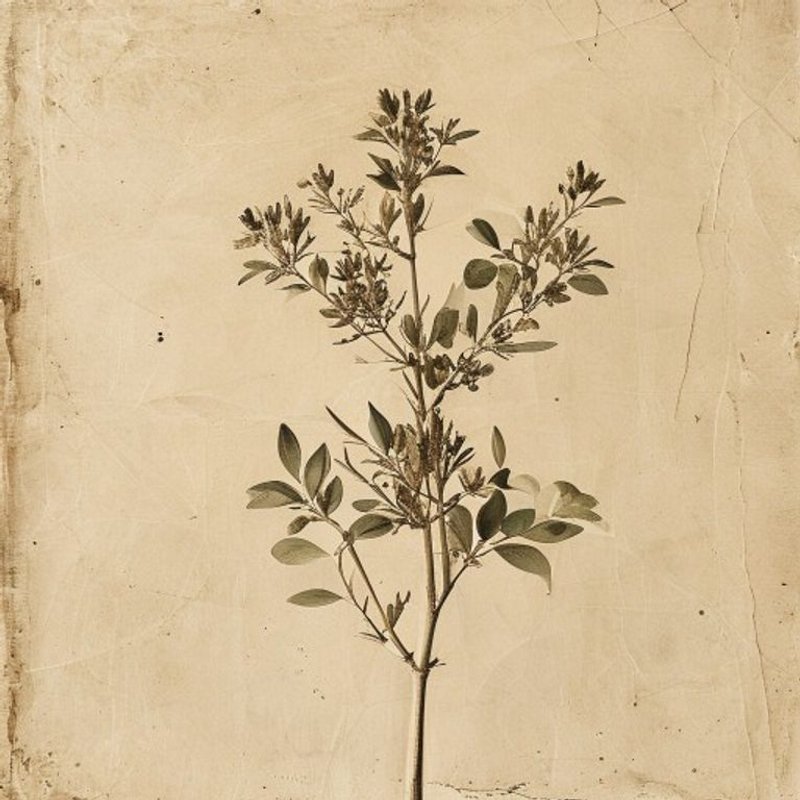
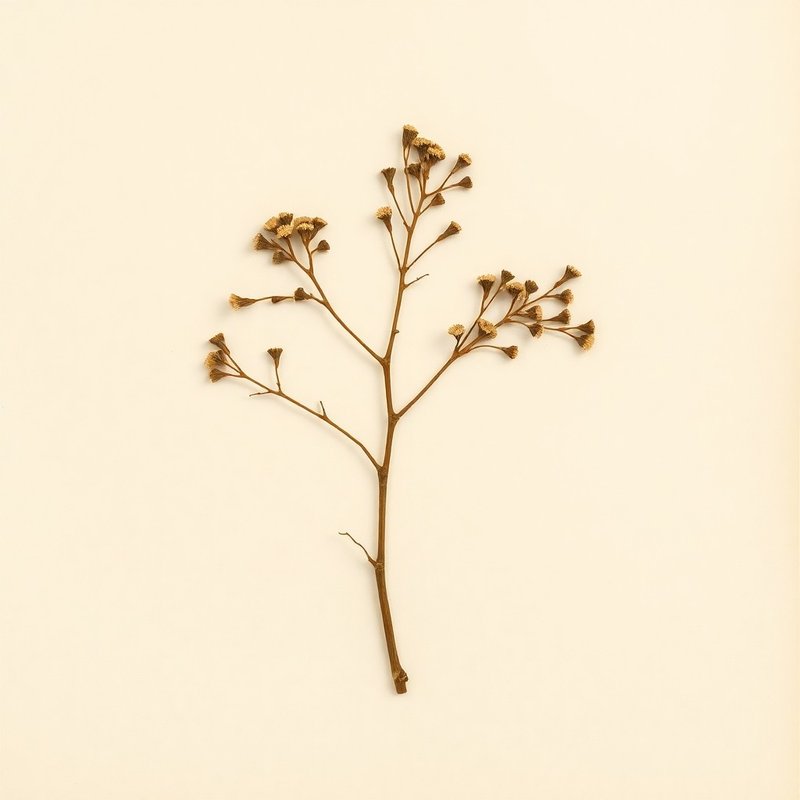
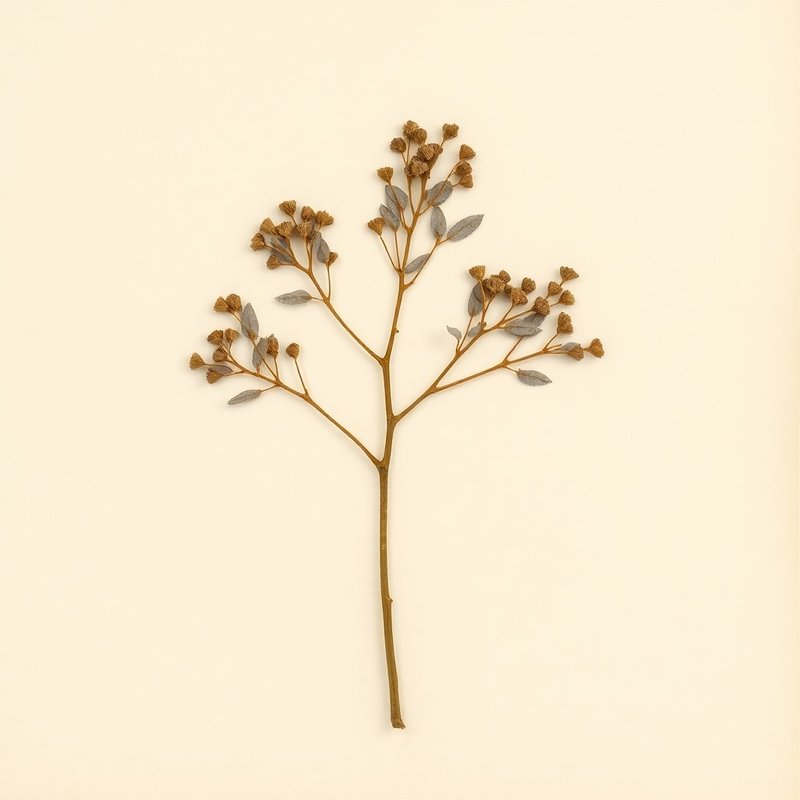
8 relatedPlants you might compare or use together — scored by shared family, common use cases, and growing requirements.

Explore further
About this entry
- Last updated
- Citation
- How to cite this entry · Submit a correction
Continue reading
Primește digest-ul săptămânal
Un email curat pe săptămână — profile noi de plante, note sezoniere de cultivare, adăugiri în arhiva de remedii. Gratuit, fără tracking, dezabonare oricând.