
Helianthus doronicoides
Helianthus doronicoides
Educational content — not medical, botanical, or professional advice. Always consult a qualified clinician before using any herbal preparation — especially during pregnancy, breastfeeding, while on medication, or for children. How we source & review →
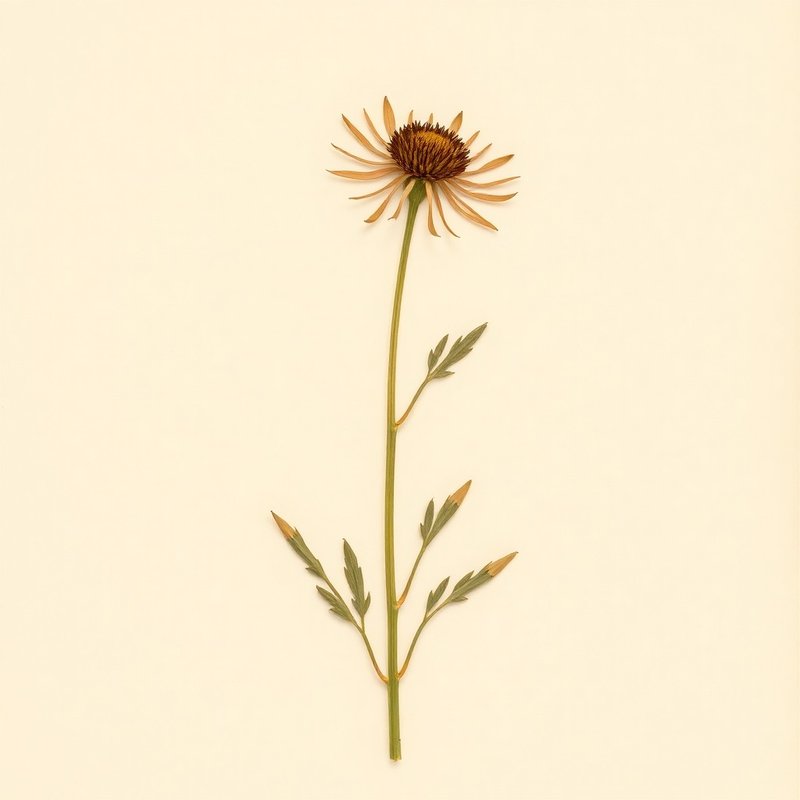
Pl. 51E0 — Helianthus doronicoides
Helianthus doronicoidesHelianthus doronicoidesHelianthus doronicoidesHelianthus doronicoidesHelianthus doronicoidesHelianthus doronicoidesHelianthus doronicoidesHelianthus doronicoidesHelianthus doronicoidesHelianthus doronicoidesHelianthus doronicoidesHelianthus doronicoidesHelianthus doronicoidesHelianthus doronicoides
IPrezentare
Prezentare
Helianthus doronicoides, cunoscut sub numele de fals-sfântie, este un pereniu forb nativ în statele centrale și estice ale SUA. Înflorșează în sucuri umede până la terne, având o pH variabilă între 4-7, fiind adaptabil la diferite condiții. Găsit natural în state precum Arkansas, Illinois, Indiana, Iowa, Kentucky, Michigan, Minnesota, Missouri, New Jersey, New York, Ohio, Oklahoma, Texas și Virginia, acest plant este valorificat pentru rădăcinile sale edibile. Un caracteristică distinctivă care îl distinge este faptul că, în timp ce pare a fi un sfântie cu flori mari și daisy-like, aparține familiei Asteraceae, nu fiind un membru real al generației Helianthus.
Quick answers
What is Helianthus doronicoides?
Helianthus doronicoides, cunoscut sub numele de fals-sfântie, este un pereniu forb nativ în statele centrale și estice ale SUA. Înflorșează în sucuri umede până la terne, având o pH variabilă între 4-7, fiind adaptabil la diferite condiții.
What is Helianthus doronicoides used for?
Traditionally used for digestion, immune support. Each claim is evidence-rated — see Section II for full citations.
Best for
Top 2 evidence-ranked uses of Helianthus doronicoides
Clinicaluses · safety · chemistry · dosagemedicinal profile
IIBeneficii și dovezi
2 claims · 0 sources
Beneficii și dovezi
2 claims · 0 sources- Helianthus species are traditionally used in Native American medicine for digestive issues, often prepared as a decoction. This preparation may help alleviate symptoms of indigestion and bloating.
The mechanism is not fully characterised but likely involves the presence of sesquiterpene lactones which have anti-inflammatory properties that can support gastrointestinal health.
- Helianthus species are traditionally used in Native American medicine to support the immune system, often prepared as a tea. This preparation may help enhance overall resistance to illness.
The mechanism is not fully characterised but likely involves the presence of flavonoids and other polyphenols which have antioxidant properties that can support immune function.
Growingconditions · propagation · uses
VCultivare
Cultivare
Helianthus doronicoides se dezvolte bine în sucuri umede până la terne și preferă o parte din soare până la soare complet. Este durabil în zonele 4-8 și poate crește până la 1,8 m de înălțime. Pentru cele mai bune rezultate, mențineți un pH de sucuri între 4 și 7. Propagează-vă prin diviziune sau semințe. Părțile rădăcinoase edibile sunt colectabile. Acest pereniu forb/herb este nativ în regiuni precum Arkansas, Illinois, Indiana, Iowa, Kentucky, Michigan, Minnesota, Missouri, New Jersey, New York, Ohio, Oklahoma, Texas și Virginia.
Light
8/10
Water
Moist
Soil
Light (sandy), Medium, Heavy (clay)
Hardiness
4-8
Life cycle
Perennial
Habit
Forb/herb
Mature size
1.8 m tall
Soil pH
4–7
For first-time growers
How to grow Helianthus doronicoides for the first time
8steps
Start with Helianthus doronicoides as a simple, low-maintenance perennial for your garden.
- 1
What you'll need
A packet of seeds or young plants, a trowel, and mulch.
- 2
Best time to plant
Plant in spring after the last frost or in fall before the first freeze.
- 3
Soil and container prep
Choose a location with well-draining soil that is light (sandy), medium, or heavy (clay). Ensure the pH is between 4 and 7.
- 4
Sowing or transplanting
Direct sow seeds in the garden after danger of frost has passed. Transplant young plants if you start them indoors.
- 5
First two weeks
Water regularly to keep soil moist but not waterlogged. Monitor for pests and diseases.
- 6
Ongoing care
Provide full sun, about 6-8 hours daily. Water deeply once a week during dry spells. Prune dead or damaged parts as needed.
- 7
Harvest or pruning
Prune in late winter to early spring to encourage new growth and maintain shape.
- 8
Common mistakes
Overwatering, planting in poor soil, neglecting to prune, and not providing enough sunlight.
VIEdible & utility
Edible & utility
Edible parts:Root
Edible uses: The root of Helianthus doronicoides is edible and can be prepared in various ways. It is typically dug from the ground and used fresh or dried before consumption. The root can also be boiled to make a nutritious addition to meals. Skip
Contextrange · companions · related
VIIDistribuție
30 native · 0 introduced
Distribuție
30 native · 0 introducedDistribution across1 continent· 30 native
Asia1 region
native (1)Georgia
Broader regions
native:Illinois, Indiana, Iowa, Michigan, Minnesota, Missouri, New Jersey, New York, Ohio, Oklahoma, Texas, Virginia, Alabama, Colorado, Connecticut, Delaware, District of Columbia, Florida, Idaho, Kansas, Kentucky, Louisiana, Maine, Manitoba, Maryland, Masachusettes, Mississippi, Nebraska, Arkansas
IXSpecimen gallery
1 image
Specimen gallery
1 imageXSee also
8 related
See also
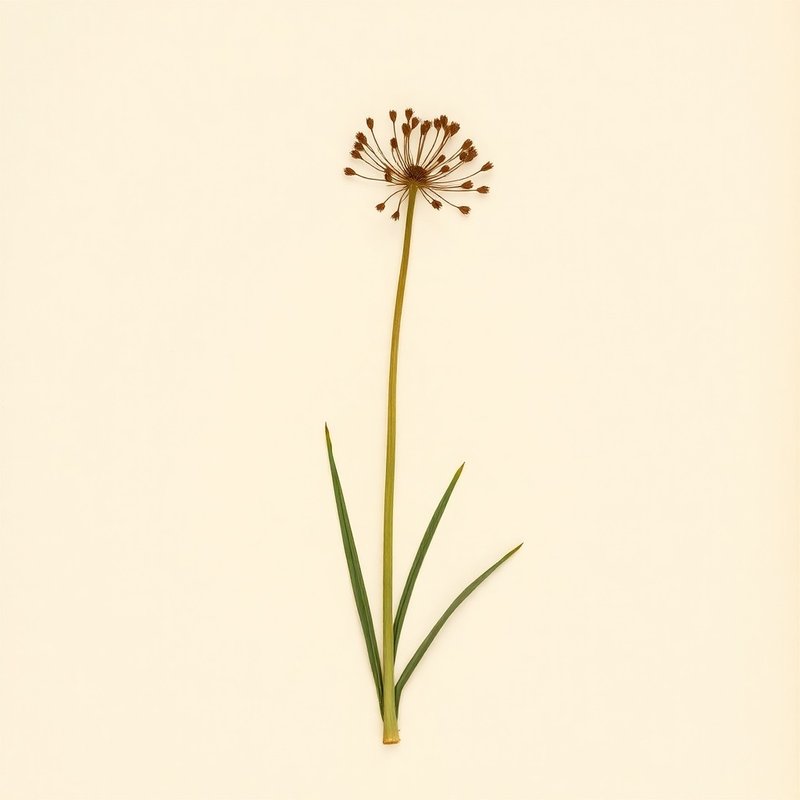
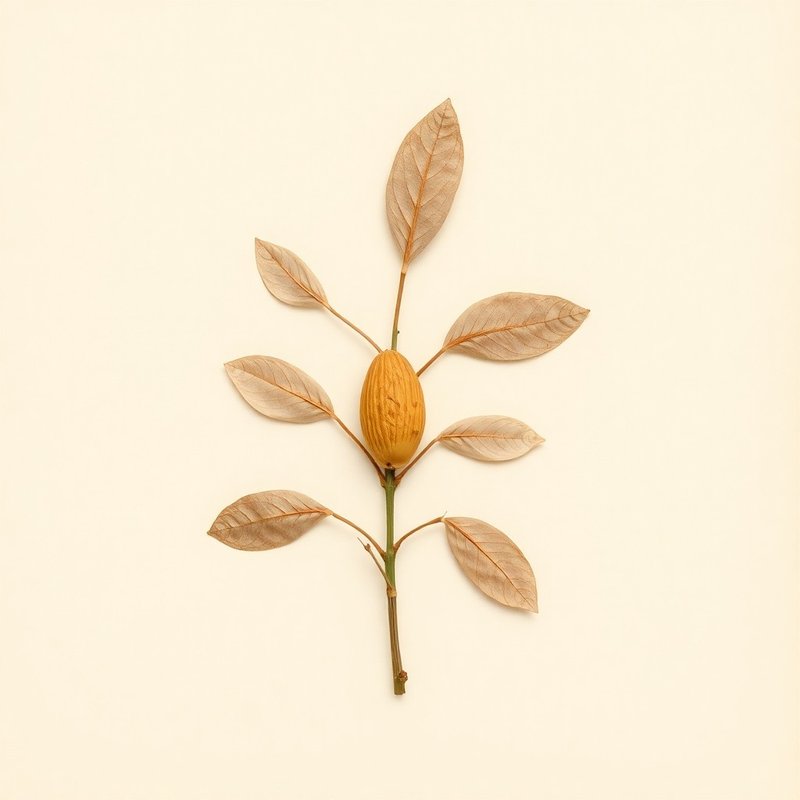
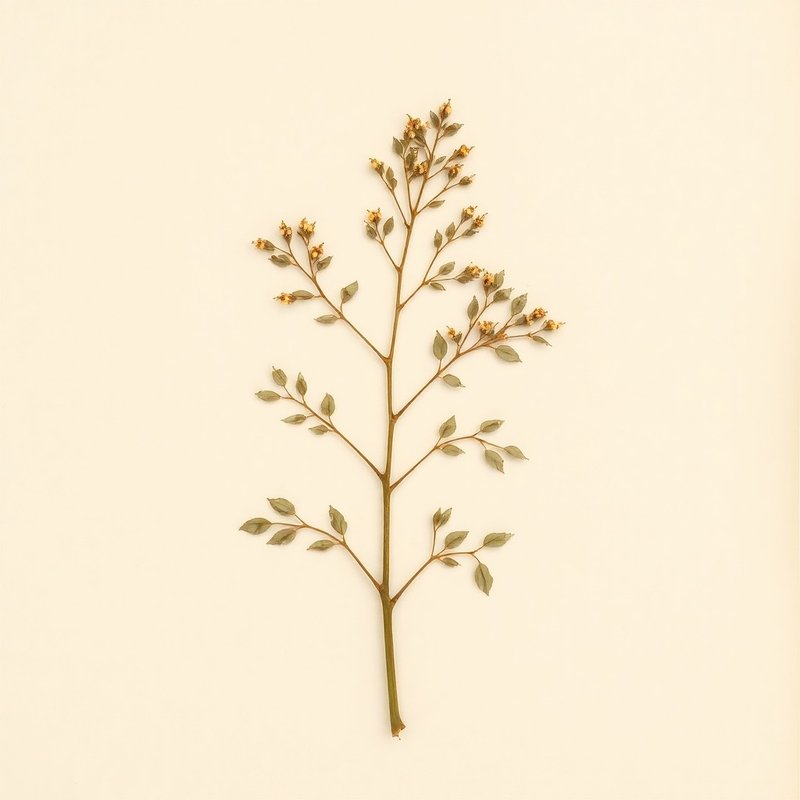
8 relatedPlants you might compare or use together — scored by shared family, common use cases, and growing requirements.
shared use cases
Different families, similar therapeutic role — good for comparing.

XI
Explore further
Companion planting
Health goals
Compare with similar plants
Growing zone
XII
About this entry
- Last updated
- Citation
- How to cite this entry · Submit a correction
Back to the cataloguePlant id · 51e08c81-c796-481b-9e3a-015f2714422d
Decision aid
Choosing between Helianthus doronicoides and something else?
Continue reading
❦❦❦❦
Endpaper · archive updates
Primește digest-ul săptămânal
Un email curat pe săptămână — profile noi de plante, note sezoniere de cultivare, adăugiri în arhiva de remedii. Gratuit, fără tracking, dezabonare oricând.