
Manchurian Walnut
Juglans mandschuricafam. Juglandaceae
Educational content — not medical, botanical, or professional advice. Always consult a qualified clinician before using any herbal preparation — especially during pregnancy, breastfeeding, while on medication, or for children. How we source & review →
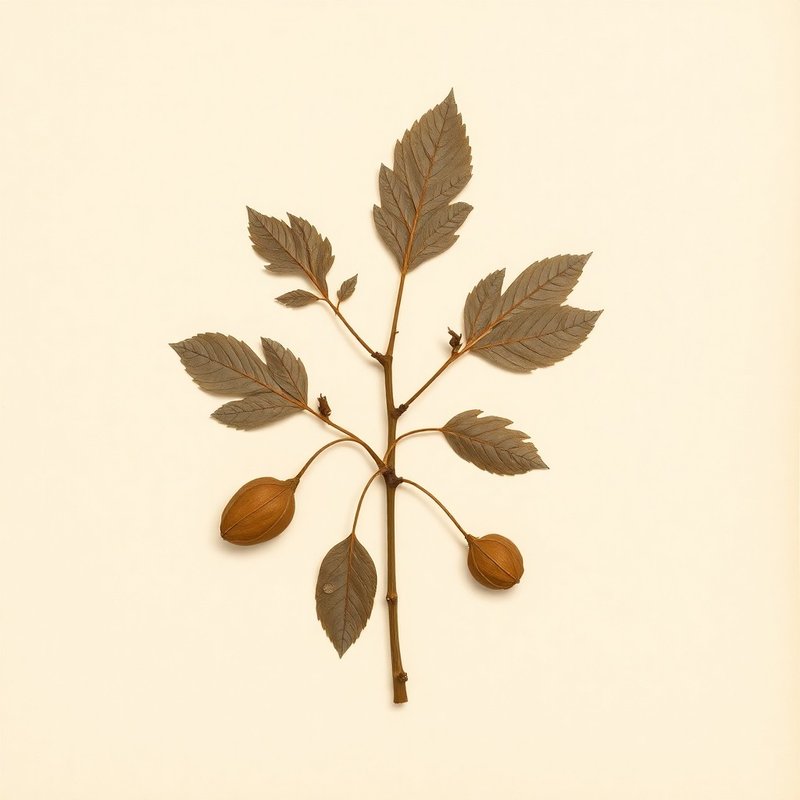
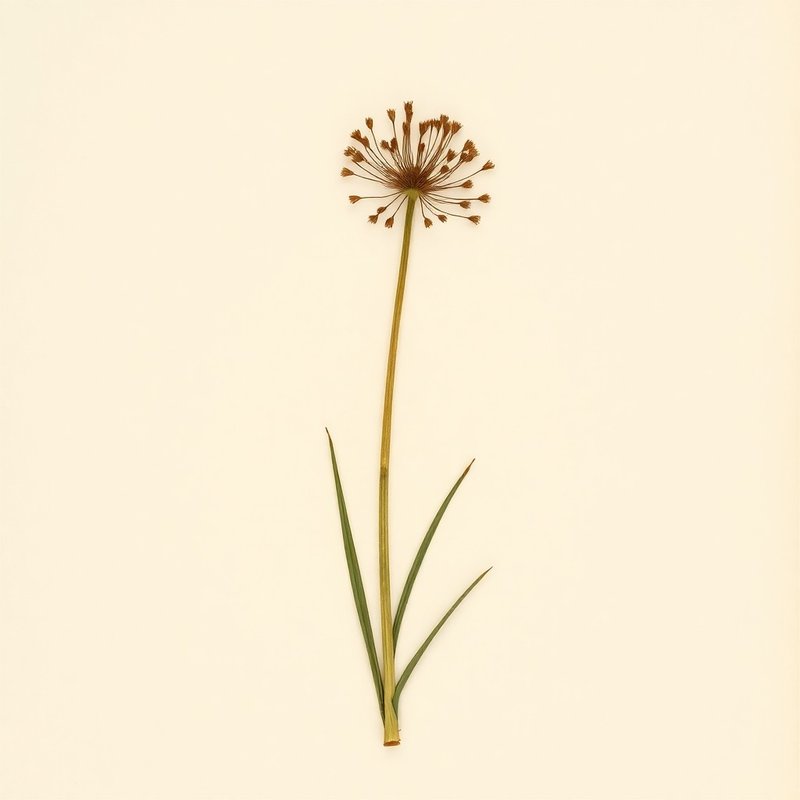
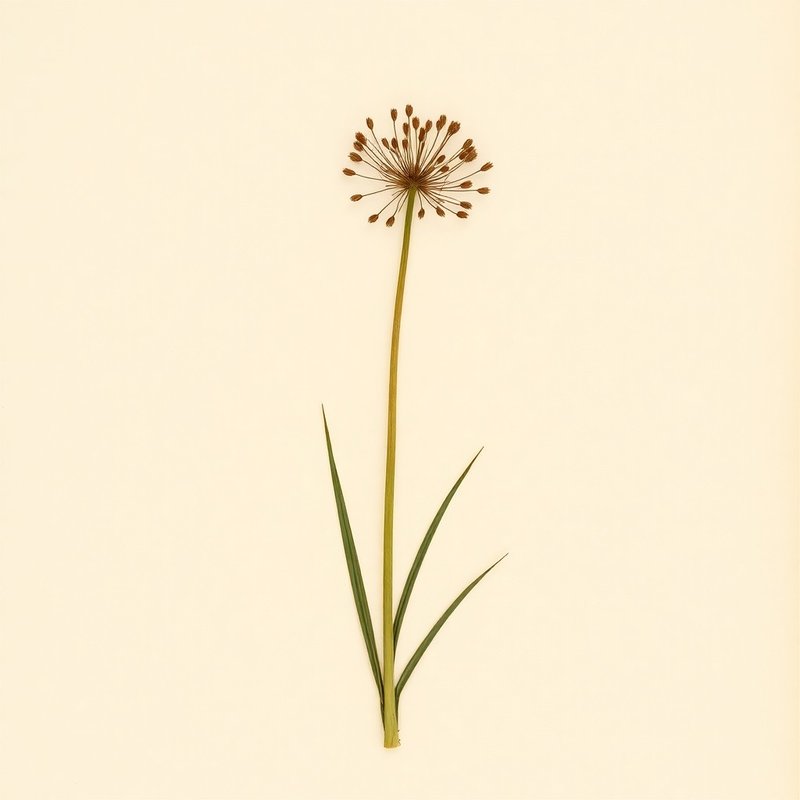
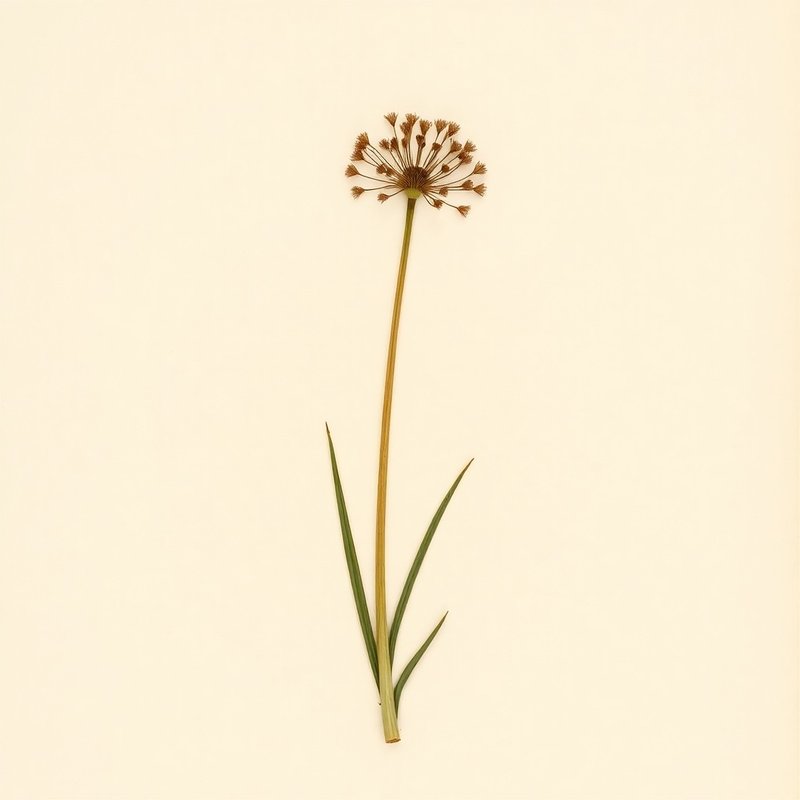
Pl. 7612 — Juglans mandschurica
Juglans mandschuricaJuglans mandschuricaJuglans mandschuricaJuglans mandschuricaJuglans mandschuricaJuglans mandschuricaJuglans mandschuricaJuglans mandschuricaJuglans mandschuricaJuglans mandschuricaJuglans mandschuricaJuglans mandschuricaJuglans mandschuricaJuglans mandschurica
IPrezentare
Prezentare
Manchurian Walnut (Juglans mandschurica) este un arbore decidu original din zonele Amur, China și Japonia. Acest membru al familiei Juglandaceae se dezvoltă în zonă plină de soare și sustrat umed, adaptându-se bine la sustrate legere (șand), medii și grele (argila). Foarte rezistent între zonele 4-8, poate crește până la 20 metri în înălțime. Cunoscut pentru plămâni comestibile, acest arbore este atât ornamental cât și util pentru cei care caută o adăugare cu nuturi în jardinezile lor sau în gardenele de alimente. Un caracter distinctiv al Manchurian Walnut-ului este capacitatea sa de a tolera diferite tipuri de sustrat, oferind un valoant rachet de nutriție prin plămâni.
Quick answers
What is Manchurian Walnut?
Manchurian Walnut (Juglans mandschurica) este un arbore decidu original din zonele Amur, China și Japonia. Acest membru al familiei Juglandaceae se dezvoltă în zonă plină de soare și sustrat umed, adaptându-se bine la sustrate legere (șand), medii și grele (argila).
What is Manchurian Walnut used for?
Traditionally used for immune support, digestion. Each claim is evidence-rated — see Section II for full citations.
Best for
Top 2 evidence-ranked uses of Manchurian Walnut
Clinicaluses · safety · chemistry · dosagemedicinal profile
IIBeneficii și dovezi
2 claims · 0 sources
Beneficii și dovezi
2 claims · 0 sources- Walnuts, including the Manchurian Walnut, have been traditionally used in Chinese medicine to support immune function. Consuming the seeds may help enhance the body's natural defenses.
The mechanism is not fully characterised but may involve compounds such as ellagic acid and other antioxidants that can boost immune responses.
- Walnuts, including the Manchurian Walnut, have been traditionally used in Chinese medicine to support digestive health. A decoction of the seeds may help alleviate symptoms of indigestion and promote healthy digestion.
The mechanism is not fully characterised but may involve compounds such as tannins and flavonoids that can soothe the gastrointestinal tract and reduce inflammation.
Growingconditions · propagation · uses
VCultivare
Cultivare
Manchurian Walnut se dezvoltă în zonă plină de soare și preferă sustrate umede, bine drenate care pot fi legere (șand), medii sau grele (argila). Este rezistent între zonele 4-8 și poate crește până la 20 metri în înălțime. Pentru propagare, plămâni sunt metoda preferată. Asigurați-vă că arborele are o cantitate adecvată de apă în timpuri de sărat, dar evitați supraviețuirea la apă, având în vedere că preferă condițiile umede fără a fi moștenitoare.
Light
Full sun
Water
Moist
Soil
Light (sandy), Medium, Heavy (clay)
Hardiness
4-8
Mature size
20.0 m tall
For first-time growers
How to grow Manchurian Walnut for the first time
8steps
Start with planting a Manchurian Walnut in your garden for a rewarding long-term project.
- 1
What you'll need
A young sapling, well-draining soil, and a large container if potting.
- 2
Best time to plant
Plant in spring or fall when the ground is workable but not frozen.
- 3
Soil and container prep
Ensure the soil is light (sandy), medium, or heavy with good drainage. Amend as needed for containers.
- 4
Sowing or transplanting
Transplant a young sapling from a nursery or sow seeds in early spring directly into the ground.
- 5
First two weeks
Water regularly to keep soil moist but not waterlogged. Monitor for pests and diseases.
- 6
Ongoing care
Provide full sun, regular watering during dry spells, and mulch around the base to retain moisture.
- 7
Harvest or pruning
Prune in late winter before new growth starts. Harvest seeds when they are ripe and easily removed from the husk.
- 8
Common mistakes
Overwatering, planting too deep, neglecting to prune, not providing enough sunlight.
VIEdible & utility
Edible & utility
Edible parts:Seed
Edible uses: Oil
Other uses:HerbicideoilRootstockWeaving materialLumber
Contextrange · companions · related
VIIDistribuție
13 native · 6 introduced
Distribuție
13 native · 6 introducedDistribution across2 continents· 13 native· 6 introduced
Europe1 region
introduced (1)Russia
Asia4 regions
native (4)ChinaJapanSouth KoreaTaiwan
Broader regions
native:Amur, Khabarovsk, Kuril Is., Primorye, Sakhalin
introduced:Maryland, New York, Tadzhikistan, Transcaucasus
IXSpecimen gallery
1 image
Specimen gallery
1 imageXSee also
8 related
See also
8 relatedPlants you might compare or use together — scored by shared family (Juglandaceae), common use cases, and growing requirements.
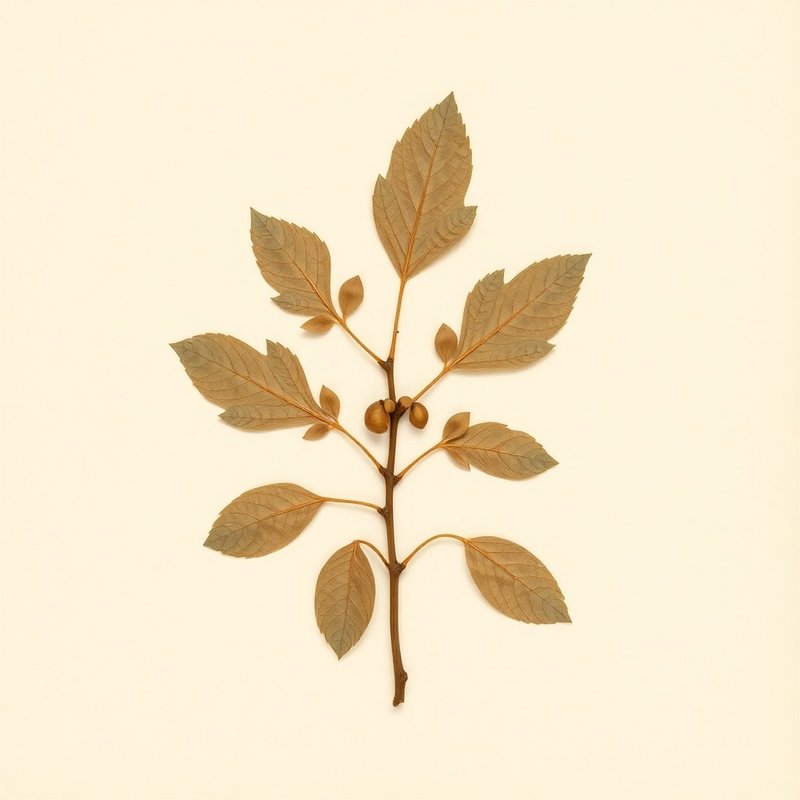
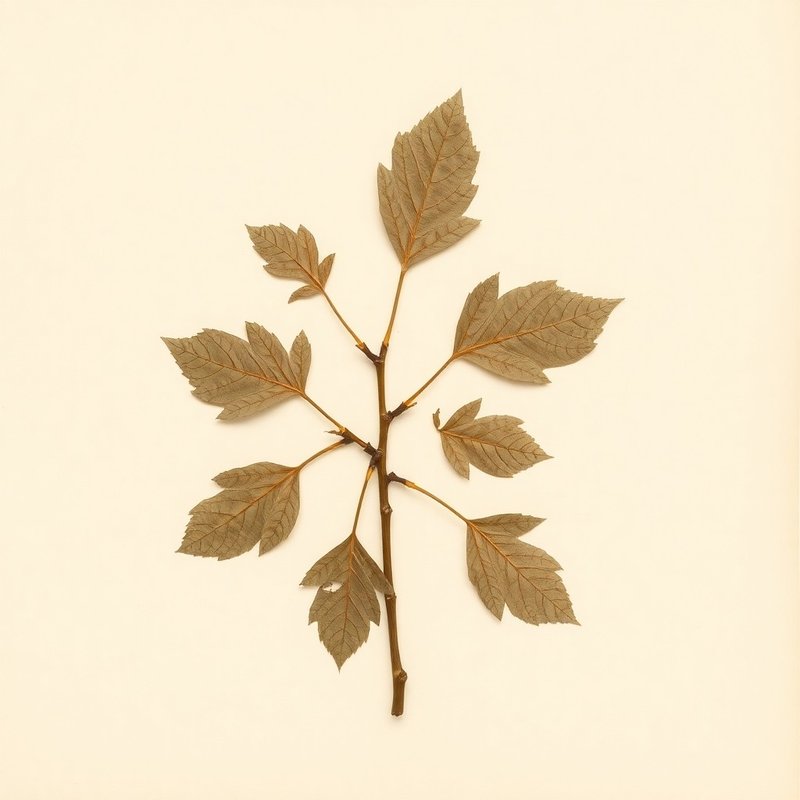
same family · Juglandaceae
Botanical relatives — often share phytochemistry + growing needs.
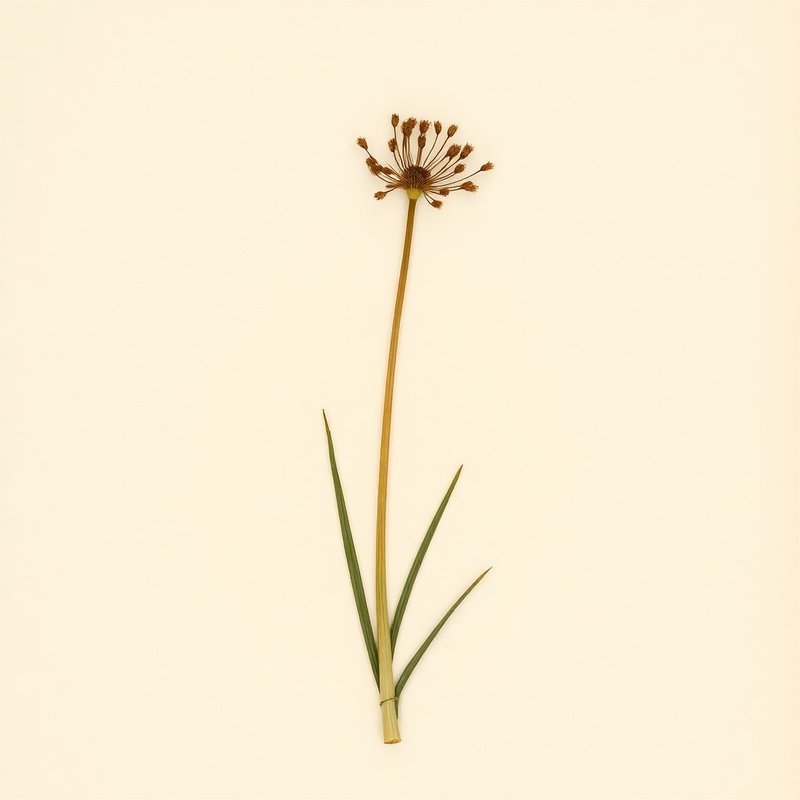
shared use cases
Different families, similar therapeutic role — good for comparing.


XI
Explore further
Companion planting
Health goals
Compare with similar plants
Growing zone
XII
About this entry
- Last updated
- Citation
- How to cite this entry · Submit a correction
Back to the cataloguePlant id · 7612d34a-7bf8-4233-81da-0e2f11213a2a
Decision aid
Choosing between Manchurian Walnut and something else?
Continue reading
❦❦❦❦
Endpaper · archive updates
Primește digest-ul săptămânal
Un email curat pe săptămână — profile noi de plante, note sezoniere de cultivare, adăugiri în arhiva de remedii. Gratuit, fără tracking, dezabonare oricând.