
Paeonia emodi
Paeonia emodi
Educational content — not medical, botanical, or professional advice. Always consult a qualified clinician before using any herbal preparation — especially during pregnancy, breastfeeding, while on medication, or for children. How we source & review →
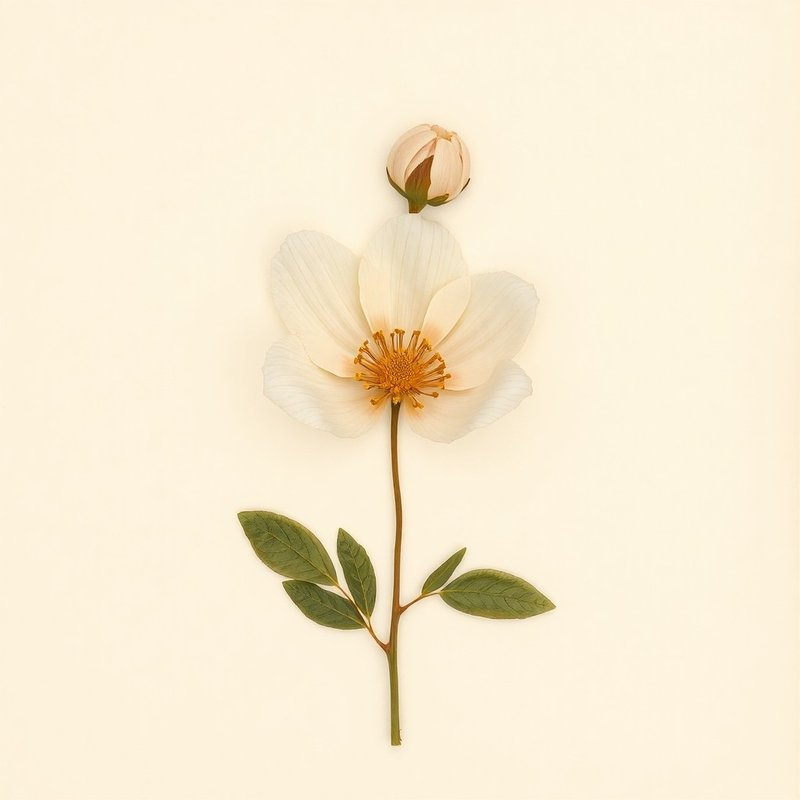
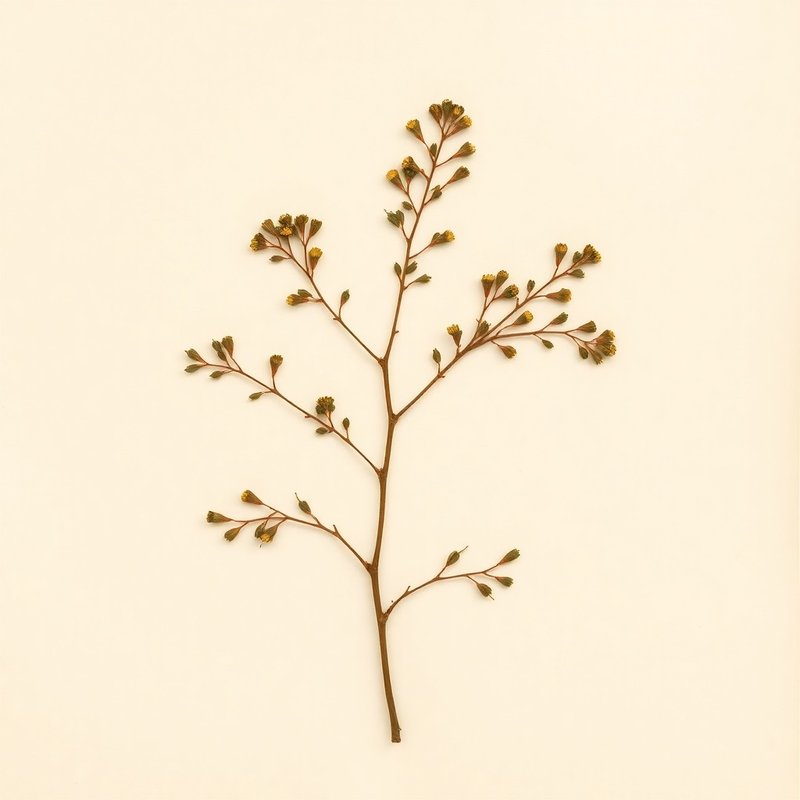
Pl. 54C5 — Paeonia emodi
Paeonia emodiPaeonia emodiPaeonia emodiPaeonia emodiPaeonia emodiPaeonia emodiPaeonia emodiPaeonia emodiPaeonia emodiPaeonia emodiPaeonia emodiPaeonia emodiPaeonia emodiPaeonia emodi
IPrezentare
Prezentare
Paeonia emodi, cunoscută sub numele de peonie din Himalaia, este o plantă perenială nativă în Afghanistan, Nepal, Pakistan, Tibet, Vâlcea de Vest din Himalaya și Xinjiang. Această specie durabilă se dezvoltă în zăpada plină până la partea de umbră, preferând sustrat moștenit care poate fi ușor (sândal), mediu sau greu (argil). Este potrivită pentru zonele USDA 7-10. Plantul atinge o înălțime de aproximativ un metru și este notabil nu doar din punct de vedere ornamental, ci și ca surse alimentară, cu părți precum frunze și tulearii fiind palabile. Adaptabilitatea sa la diverse tipuri de sustrat îl face adesea o adăugare versatilă în jardinele din climei potrivite.
Quick answers
What is Paeonia emodi?
Paeonia emodi, cunoscută sub numele de peonie din Himalaia, este o plantă perenială nativă în Afghanistan, Nepal, Pakistan, Tibet, Vâlcea de Vest din Himalaya și Xinjiang.
What is Paeonia emodi used for?
Traditionally used for stress & anxiety, immune support. Each claim is evidence-rated — see Section II for full citations.
Best for
Top 2 evidence-ranked uses of Paeonia emodi
Clinicaluses · safety · chemistry · dosagemedicinal profile
IIBeneficii și dovezi
2 claims · 0 sources
Beneficii și dovezi
2 claims · 0 sources- Traditional-use note: Paeonia emodi appears in herbal sources around calming and relaxation traditions, often as a decoction. PlantSage presents this as ethnobotanical context, not as medical advice.
Traditional context only. This reviewed claim keeps the original moderate confidence level, but avoids treatment, disease, dosage, or guaranteed-effect language.
- Paeonia emodi has been traditionally used in Chinese medicine to support immune function, often prepared as a decoction. Its use is based on the belief that it can enhance resistance against pathogens and promote overall health.
Contains compounds such as paeonol and paeoniflorin which may have immunomodulatory effects, though the specific mechanisms are not fully understood.
IV·bMixology suggestions
1 draft
Mixology suggestions
1 draftEditorial drafts. These pairings are AI-suggested from traditional herbal lore. Always verify with a qualified herbalist before brewing.
Paeonia emodi support blend
generaltea
AI returned a direct ingredient list; normalized into one draft blend for editorial review.
Growingconditions · propagation · uses
VCultivare
Cultivare
Paeonia emodi se dezvoltă în zăpada plină până la partea de umbră și preferă sustrat moștenit care poate fi ușor (sândal), mediu sau greu (argil). Această plantă perenială crește până la o înălțime de aproximativ un metru și este durabilă în zonele USDA 7-10. Pentru propagare, diviziunea rădăcinilor poate fi făcută după floriere. Părți alimentare potrivite includ frunze și tulearii.
Light
Full sun, Partial sun/shade
Water
Moist
Soil
Light (sandy), Medium, Heavy (clay)
Hardiness
7-10
Life cycle
Perennial
Mature size
1.0 m tall
For first-time growers
How to grow Paeonia emodi for the first time
8steps
Start with Paeonia emodi as a simple, low-maintenance perennial for your garden.
- 1
What you'll need
A young plant or seeds, well-draining soil, and a container if planting in pots.
- 2
Best time to plant
Plant Paeonia emodi in early spring or late fall when the weather is cooler.
- 3
Soil and container prep
Ensure the soil is light (sandy), medium, or heavy with good drainage. Amend as needed for containers.
- 4
Sowing or transplanting
Transplant young plants carefully, ensuring roots are not damaged during handling. For seeds, sow them in early spring at a depth of about 2 cm.
- 5
First two weeks
Water the plant regularly to keep the soil moist but not waterlogged. Avoid direct sunlight for the first few days.
- 6
Ongoing care
Provide full sun or partial shade, depending on your climate. Water when the top inch of soil feels dry and mulch around the base to retain moisture.
- 7
Harvest or pruning
Prune dead leaves and shoots in early spring before new growth begins.
- 8
Common mistakes
Overwatering, planting in heavy clay soils, and not providing enough sunlight are common issues beginners should avoid.
VIEdible & utility
Edible & utility
Edible parts:LeavesShoots
Edible uses: The leaves and shoots of Paeonia emodi are edible. They can be eaten raw or cooked, adding a mild flavor to salads or other dishes. Skip the preparation details for brevity.
Contextrange · companions · related
VIIDistribuție
6 native · 0 introduced
Distribuție
6 native · 0 introducedDistribution across1 continent· 6 native
Asia4 regions
native (4)AfghanistanChinaNepalPakistan
Broader regions
native:West Himalaya
IXSpecimen gallery
1 image
Specimen gallery
1 imageXSee also
8 related
See also
8 relatedPlants you might compare or use together — scored by shared family, common use cases, and growing requirements.
shared use cases
Different families, similar therapeutic role — good for comparing.
XI
Explore further
Companion planting
Health goals
Compare with similar plants
Growing zone
XII
About this entry
- Last updated
- Citation
- How to cite this entry · Submit a correction
Back to the cataloguePlant id · 54c55f85-7b67-44ff-8f21-83c67694896c
Decision aid
Choosing between Paeonia emodi and something else?
Continue reading
❦❦❦❦
Endpaper · archive updates
Primește digest-ul săptămânal
Un email curat pe săptămână — profile noi de plante, note sezoniere de cultivare, adăugiri în arhiva de remedii. Gratuit, fără tracking, dezabonare oricând.