
Peony

IPrezentare
Prezentare
Peony, cunoscută scientific sub numele de Paeonia officinalis, este o plantă perenicolă nativă în regiuni precum Amur, nord-vestul Chinei și Manchuria. Această plantă fermă se dezvoltă în lumină parțială cu sustrat umed care poate varia de la sălbatic până la argilaș, fiind adaptabilă la diferite condiții din domeniul său nativ. Cunoscută atât pentru valorile ornamentale sale cât și pentru fiori mănunchiabile, peony a fost cultivată pentru sute de ani. O caracteristică distinctivă a acestei plante este capacitatea lor de creștere până la 0,6 metri în înălțime, adăugând o atingere elegantă în jardine în timp ce oferă un surse de lumină prin expunerea completă sau parțială la soare.
What is Peony?
Peony, cunoscută scientific sub numele de Paeonia officinalis, este o plantă perenicolă nativă în regiuni precum Amur, nord-vestul Chinei și Manchuria.
What is Peony used for?
Traditionally used for stress & anxiety, immune support. Each claim is evidence-rated — see Section II for full citations.
IIBeneficii și dovezi
2 claims · traditional-use context
Beneficii și dovezi
2 claims · traditional-use context- Traditional-use note: Peony appears in herbal sources around calming and relaxation traditions, often as a decoction. PlantSage presents this as ethnobotanical context, not as medical advice.
Traditional context only. This reviewed claim keeps the original moderate confidence level, but avoids treatment, disease, dosage, or guaranteed-effect language.
▲ ModerateStress & anxiety → - Peony is traditionally used in Chinese medicine to support immune function, often prepared as a decoction. It contains compounds like paeonol and paeoniflorin which may have immunomodulatory effects.
Paeoniflorin has been shown to regulate cytokine production and enhance the activity of immune cells such as macrophages, contributing to its potential role in supporting immune health. However, more research is needed to fully understand these mechanisms.
▲ ModerateImmune support →
IV·bMixology suggestions
1 draft
Mixology suggestions
1 draftVCultivare
Cultivare
How to grow Peony for the first time
Start with peonies by planting them in a sunny spot and ensuring proper soil preparation for your first gardening experience.
- 1
What you'll need
Peony plants, garden gloves, trowel, compost, mulch.
- 2
Best time to plant
Plant in early fall or late winter before the ground freezes.
- 3
Soil and container prep
Choose a well-draining spot with rich, slightly acidic soil. Amend soil with compost if needed.
- 4
Sowing or transplanting
Dig holes twice as wide but not deeper than the root ball. Place plants in holes and backfill with soil.
- 5
First two weeks
Water thoroughly after planting. Keep soil moist but not waterlogged during this period.
- 6
Ongoing care
Provide full sun to partial shade, especially in hot climates. Water deeply once a week, more often if dry.
- 7
Harvest or pruning
Prune dead flower heads after blooming to maintain plant health and appearance.
- 8
Common mistakes
Planting too deep, overwatering, neglecting winter mulch, not providing enough sunlight, using incorrect soil pH.
VIEdible & utility
Edible & utility
VIIDistribuție
19 native · 11 introduced
Distribuție
19 native · 11 introducedIXSpecimen gallery
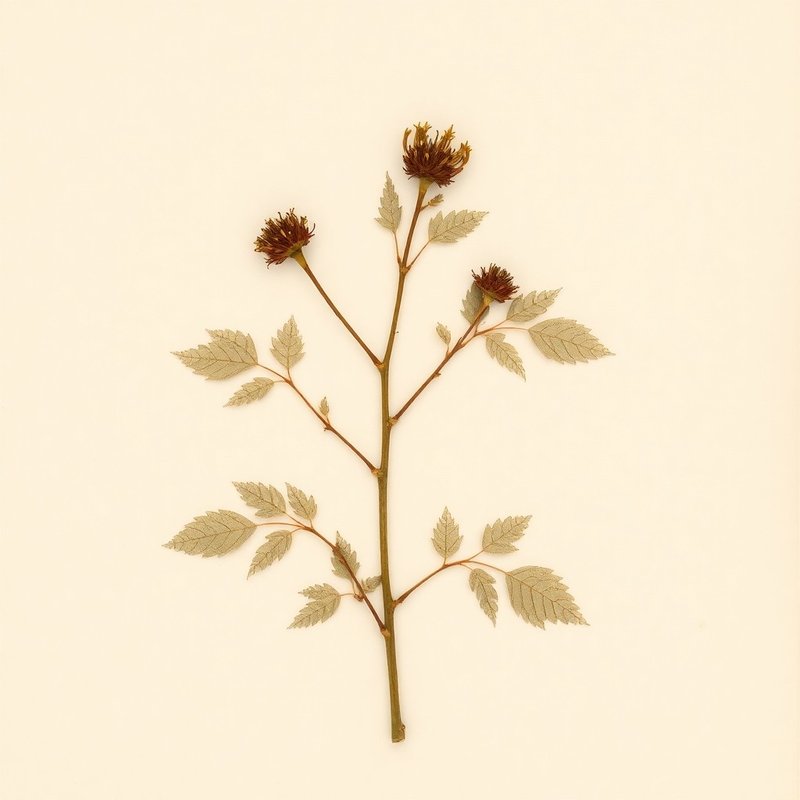
1 image
Specimen gallery
1 imageXSee also
8 related
See also
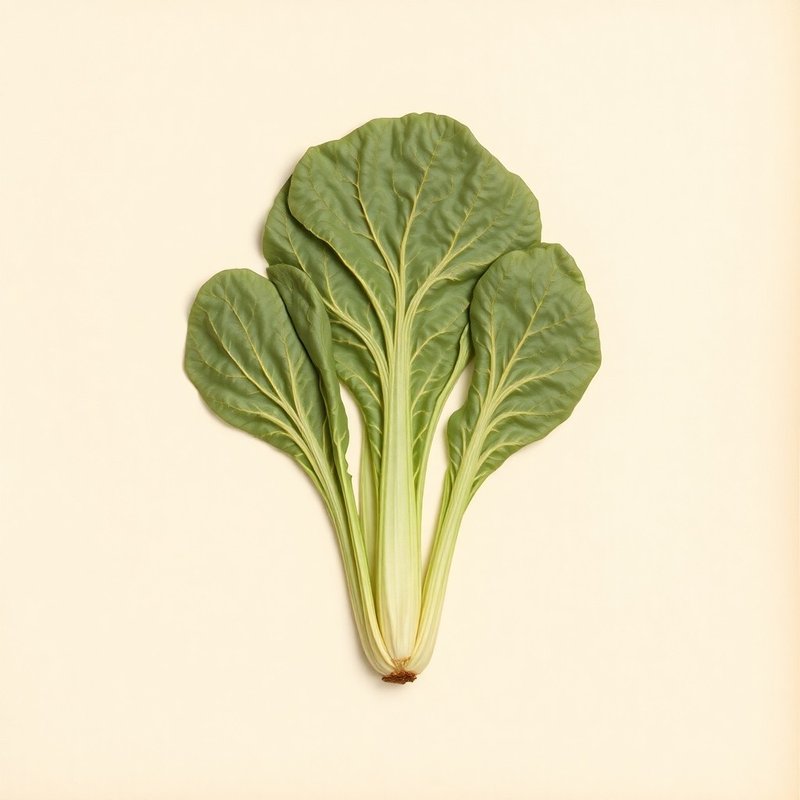
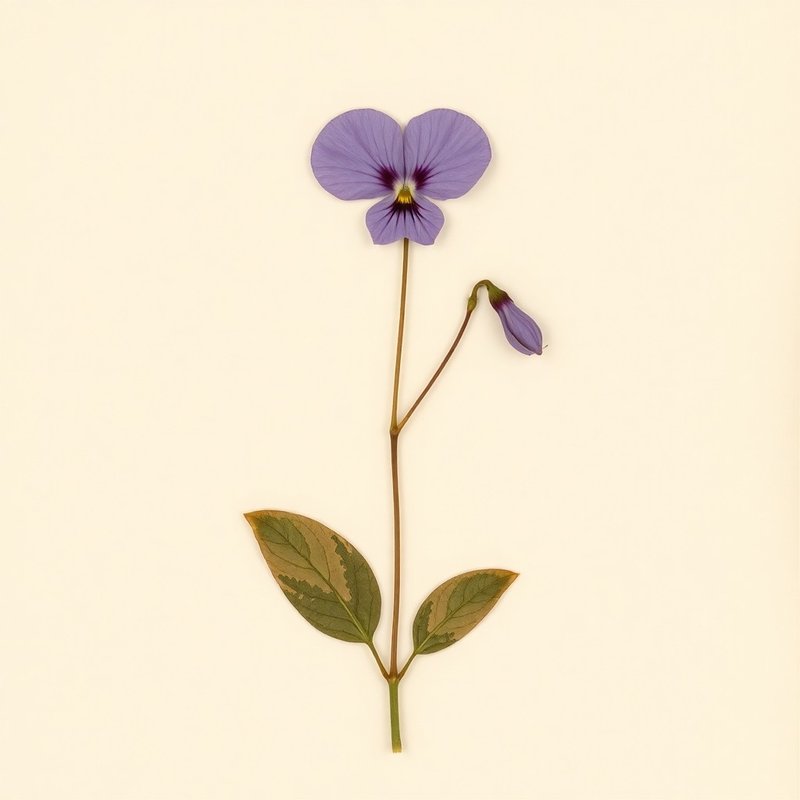
8 relatedPlants you might compare or use together — scored by shared family, common use cases, and growing requirements.



Explore further
About this entry
- Last updated
- Citation
- How to cite this entry · Submit a correction
Continue reading
Primește digest-ul săptămânal
Un email curat pe săptămână — profile noi de plante, note sezoniere de cultivare, adăugiri în arhiva de remedii. Gratuit, fără tracking, dezabonare oricând.