
Cypresshead groundcherry

IPrezentare
Prezentare
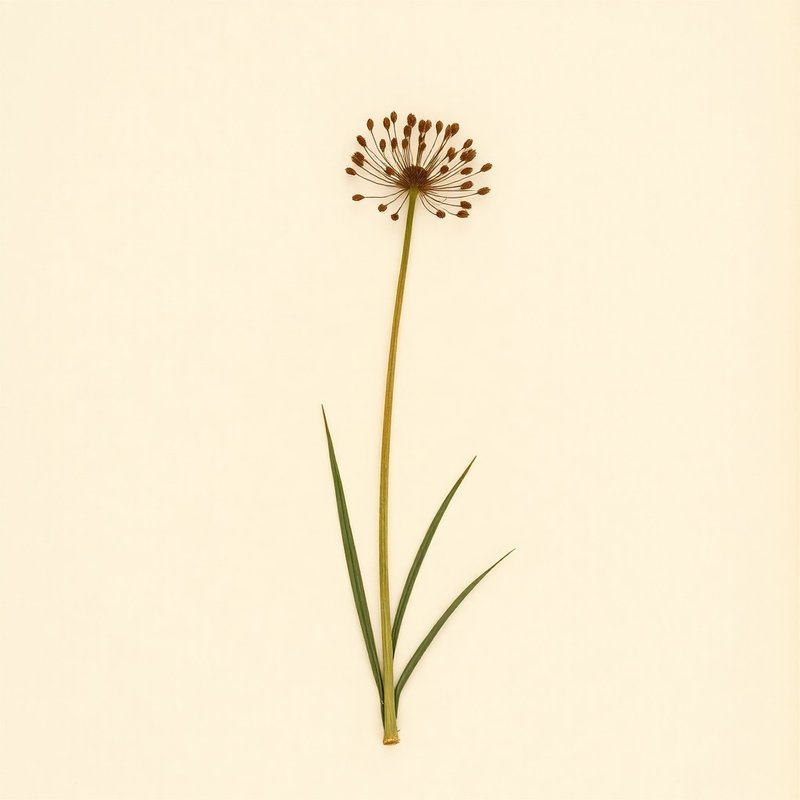
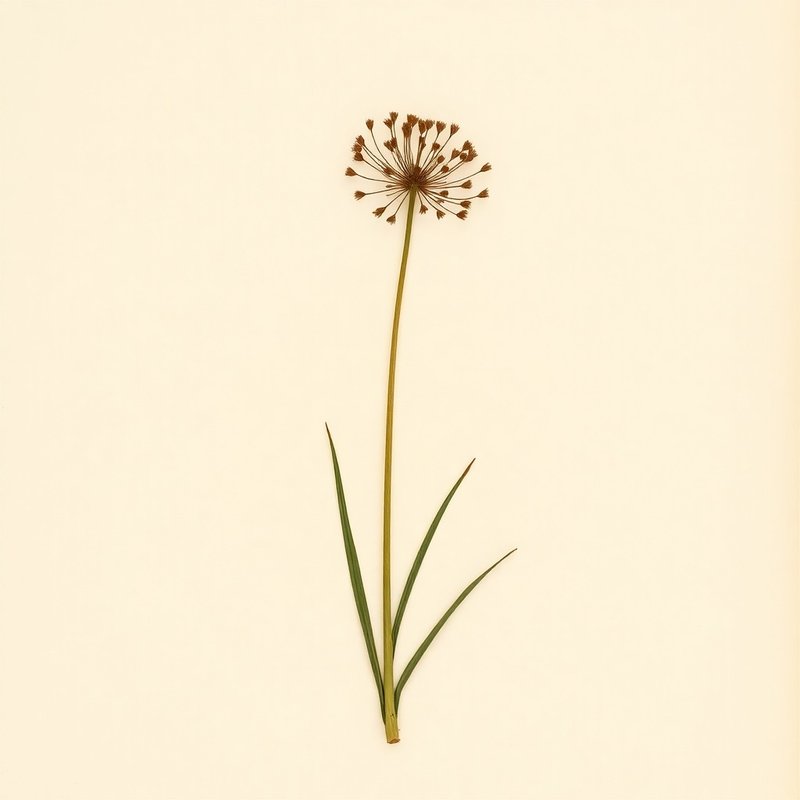
Cypresshead groundcherry (Physalis arenicola) este un perenel de tip forb sau herb nativ din Alabama și Florida. Această plantă se dezvoltă în mediile umide cu sucuri deosebit de luminoase, de tip lichid, medie sau argillace. Consemnat pentru fructele sale comestibile, necesită expozția la soare complet și poate fi găsit natural în estul sudic al Statelor Unite. O caracteristică distinctivă a acestei plante este preferința sa de habitat; se întâmplă frecvent în zone unde condițiile sucurii sunt diverse dar constiente.
What is Cypresshead groundcherry?
Cypresshead groundcherry (Physalis arenicola) este un perenel de tip forb sau herb nativ din Alabama și Florida. Această plantă se dezvoltă în mediile umide cu sucuri deosebit de luminoase, de tip lichid, medie sau argillace.
What is Cypresshead groundcherry used for?
Traditionally used for digestion, immune support. Each claim is evidence-rated — see Section II for full citations.
IIBeneficii și dovezi
2 claims · traditional-use context
Beneficii și dovezi
2 claims · traditional-use context- Physalis species, including Cypresshead groundcherry, have been traditionally used in Native American medicine for digestive issues. A decoction of the fruit may help alleviate symptoms such as bloating and indigestion.
The mechanism is not fully characterised but likely involves compounds that support gastrointestinal motility and reduce inflammation.
▲ ModerateDigestion → - Physalis species have been traditionally used in Chinese medicine for immune support. A decoction of the fruit may help enhance the body's natural defenses.
The mechanism is not fully characterised but likely involves compounds that stimulate immune cell activity and antioxidant effects.
▲ ModerateImmune support →
IV·bMixology suggestions
1 draft
Mixology suggestions
1 draftVCultivare
Cultivare
How to grow Cypresshead groundcherry for the first time
Start with easy-to-grow Cypresshead groundcherry for a rewarding beginner experience.
- 1
What you'll need
Seeds or seedlings, small pots if starting indoors.
- 2
Best time to plant
Plant outdoors after the last frost in spring.
- 3
Soil and container prep
Use well-draining soil with a mix of light (sandy), medium, and heavy (clay) textures.
- 4
Sowing or transplanting
Direct sow seeds 1 inch deep; transplant seedlings when they have two sets of true leaves.
- 5
First two weeks
Water regularly to keep soil moist but not waterlogged. Protect from strong winds.
- 6
Ongoing care
Provide full sun and regular watering, especially during dry spells. Mulch to retain moisture.
- 7
Harvest or pruning
Prune occasionally to encourage bushy growth; harvest fruit when it turns bright red.
- 8
Common mistakes
Overwatering, planting in heavy shade, neglecting regular pruning.
VIEdible & utility
Edible & utility
VIIDistribuție
2 native · 0 introduced
Distribuție
2 native · 0 introducedIXSpecimen gallery
1 image
Specimen gallery
1 imageXSee also
8 related
See also
8 relatedPlants you might compare or use together — scored by shared family (Solifoliaceae), common use cases, and growing requirements.


Explore further
About this entry
- Last updated
- Citation
- How to cite this entry · Submit a correction
Continue reading
Primește digest-ul săptămânal
Un email curat pe săptămână — profile noi de plante, note sezoniere de cultivare, adăugiri în arhiva de remedii. Gratuit, fără tracking, dezabonare oricând.