
Plantago camtschatica

IPrezentare
Prezentare
Plantago camtschatica, o plantă perenicolă nativă în zone precum Japonia, Kamchatka și Coreea, se dezvoltă în mediului luminos, sub soare complet, cu condiții de pământ sec la umed și este adesea găsită în pământe sandy sau medium-textured. Cunoscut pentru frunzele sale comestibile, această plantă a fost utilizată de comunități locale pe mii de ani. De asemenea, are valoare medicinală, documentată pentru diverse utilizări tradiționale. O caracteristică distinctivă a Plantago camtschatica este capacitatea sa de creștere până la 0,3 metri în înălțime, oferind presența notabilă în paisajul în timp ce furnizează atât beneficii culinare cât și terapeutice.
What is Plantago camtschatica?
Plantago camtschatica, o plantă perenicolă nativă în zone precum Japonia, Kamchatka și Coreea, se dezvoltă în mediului luminos, sub soare complet, cu condiții de pământ sec la umed și este adesea găsită în pământe sandy sau medium-textured.
What is Plantago camtschatica used for?
Traditionally used for immune support, digestion. Each claim is evidence-rated — see Section II for full citations.
IIBeneficii și dovezi
2 claims · traditional-use context
Beneficii și dovezi
2 claims · traditional-use context- Plantago species have been traditionally used in European and Asian herbal medicine to support the immune system. A tea made from the leaves may help boost resistance against common ailments.
The mechanism is not fully characterised but likely involves polysaccharides that stimulate immune cells such as macrophages and lymphocytes.
▲ ModerateImmune support → - Plantago species have been traditionally used in Chinese medicine for digestive issues, such as diarrhea and dysentery. A decoction of the leaves may help soothe the gastrointestinal tract.
The mechanism is not fully characterised but likely involves compounds that exert anti-inflammatory or astringent effects on the gut lining.
▲ ModerateDigestion →
IV·bMixology suggestions
2 drafts
Mixology suggestions
2 draftsVCultivare
Cultivare
How to grow Plantago camtschatica for the first time
Start with Skip as a simple, low-maintenance perennial for your garden.
- 1
What you'll need
Skip seeds or seedlings, a small trowel, and a watering can.
- 2
Best time to plant
Plant Skip in early spring or late summer when the soil is warm but not hot.
- 3
Soil and container prep
Choose a spot with full sun. Prepare loose, well-draining soil that's slightly sandy or medium-textured.
- 4
Sowing or transplanting
Direct sow seeds 0.5 cm deep in the prepared soil. Alternatively, plant seedlings at the same depth as they were in their container.
- 5
First two weeks
Water sparingly to keep the soil moist but not soggy. Avoid overwatering which can lead to root rot.
- 6
Ongoing care
Skip thrives with minimal care. Water only when the soil is dry, and mulch around the plants to retain moisture and suppress weeds.
- 7
Harvest or pruning
Prune any dead leaves or stems to encourage new growth and maintain a neat appearance.
- 8
Common mistakes
Overwatering, planting in heavy soil, and neglecting to prune are common issues beginners should avoid.
VIEdible & utility
Edible & utility
VIIDistribuție
9 native · 0 introduced
Distribuție
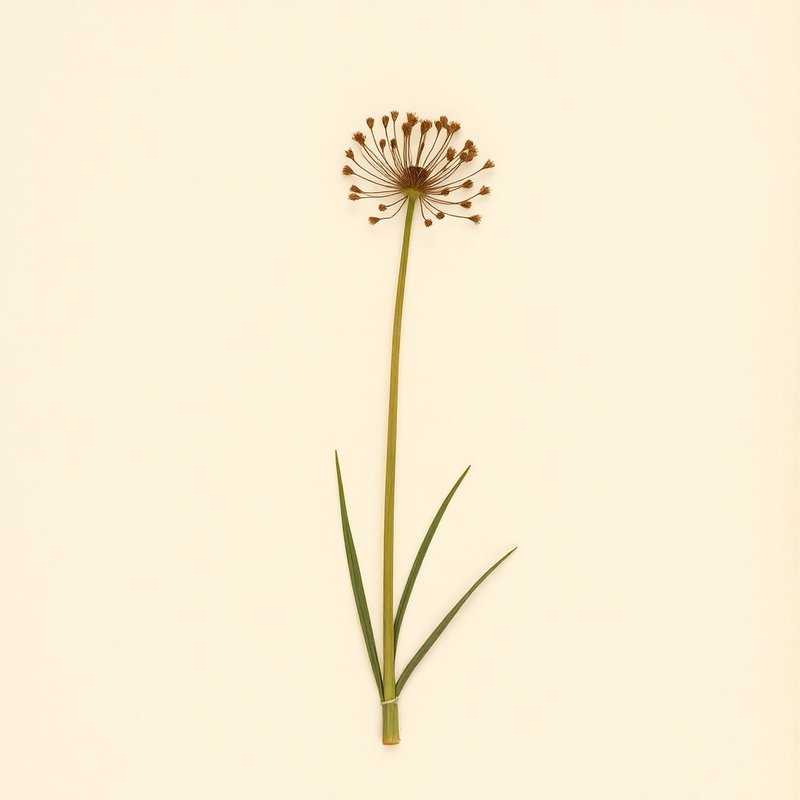
9 native · 0 introducedIXSpecimen gallery
1 image
Specimen gallery
1 imageXSee also
8 related
See also
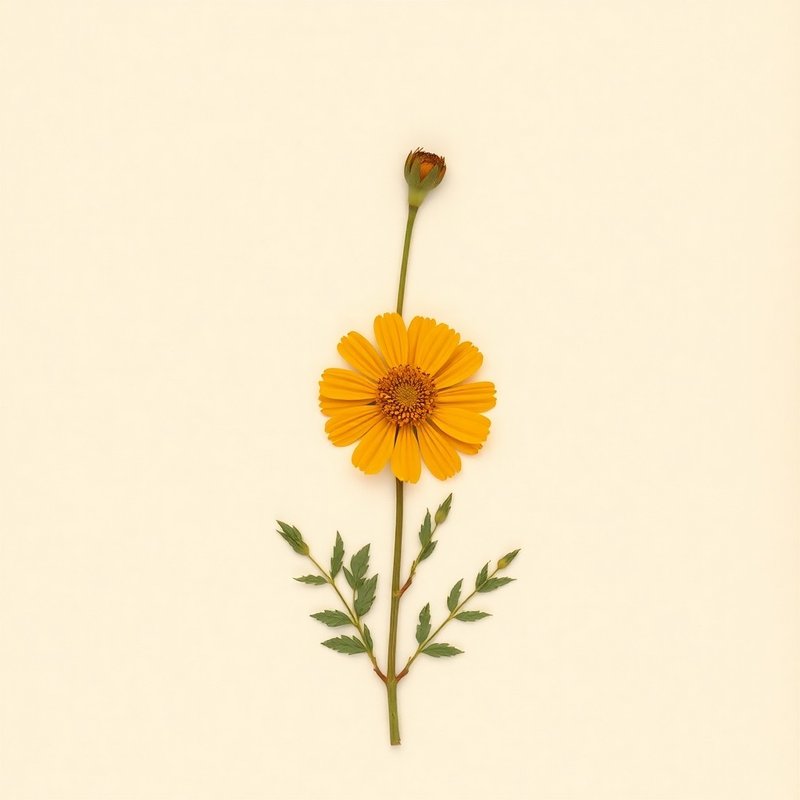
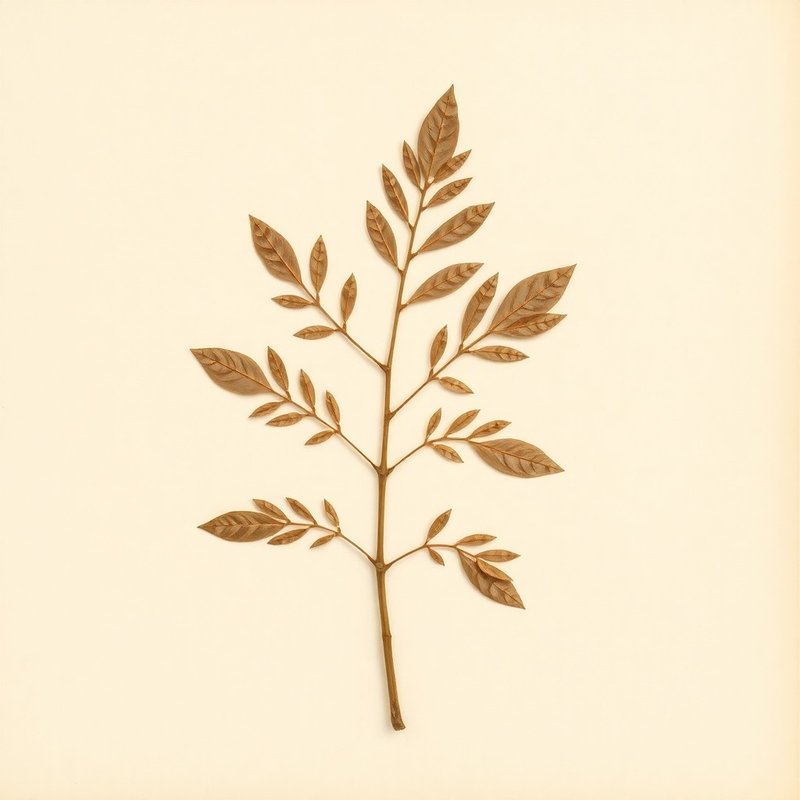
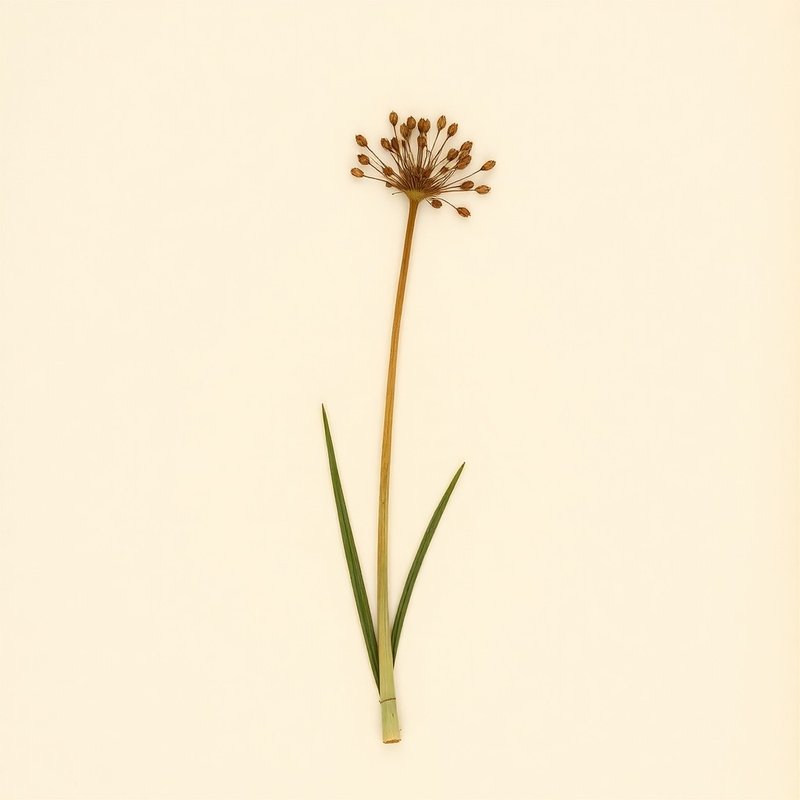
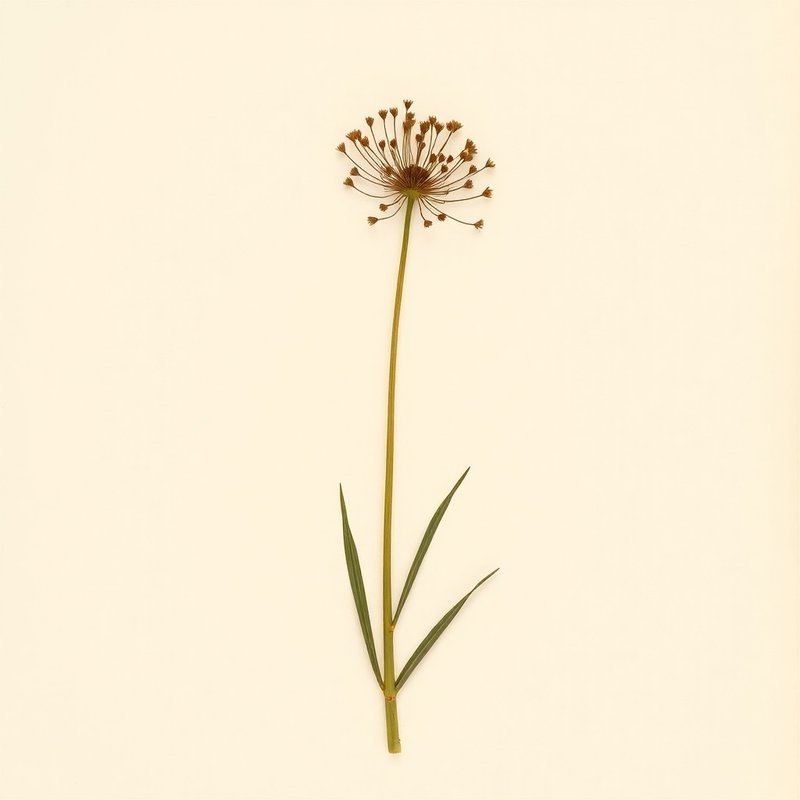
8 relatedPlants you might compare or use together — scored by shared family (Plantaginaceae), common use cases, and growing requirements.


Explore further
About this entry
- Last updated
- Citation
- How to cite this entry · Submit a correction
Continue reading
Primește digest-ul săptămânal
Un email curat pe săptămână — profile noi de plante, note sezoniere de cultivare, adăugiri în arhiva de remedii. Gratuit, fără tracking, dezabonare oricând.