Skip to content
IIIFolio · plant profile№ 8758medicinal · edible
Data provenancePermapeopleTrefleWikipediaPFAFPOWOeditorially reviewedreviewed 15 Jul 2026methodology → read

Eastern Cottonwood

Populus deltoides
Educational content — not medical, botanical, or professional advice. Always consult a qualified clinician before using any herbal preparation — especially during pregnancy, breastfeeding, while on medication, or for children. How we source & review →
medicinaledibletall treesediblemedicinaltree
Updated·Quick Q&A →
Garden journal pausedUse profile notes below
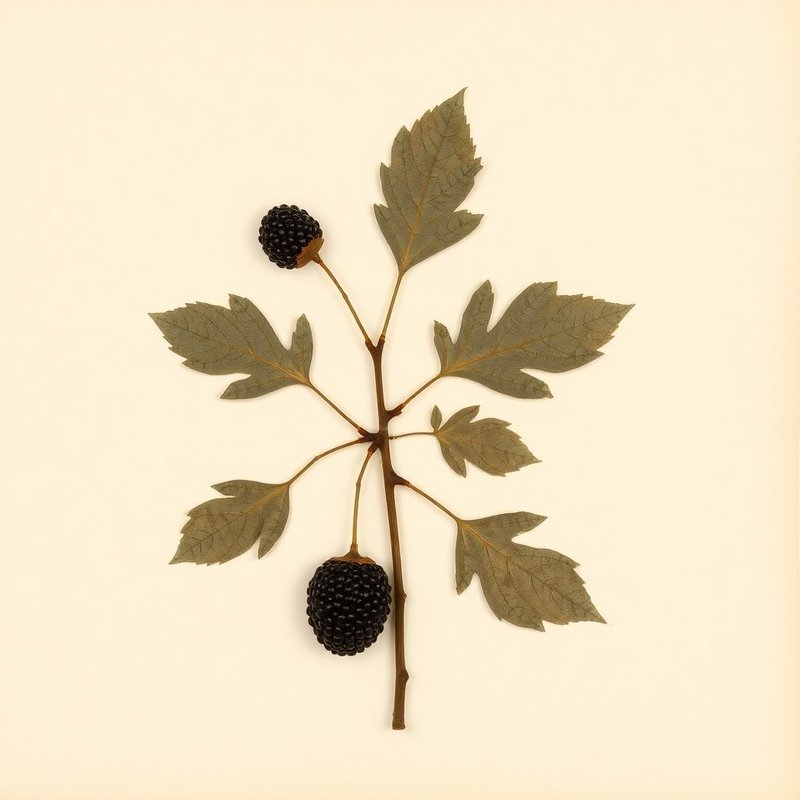
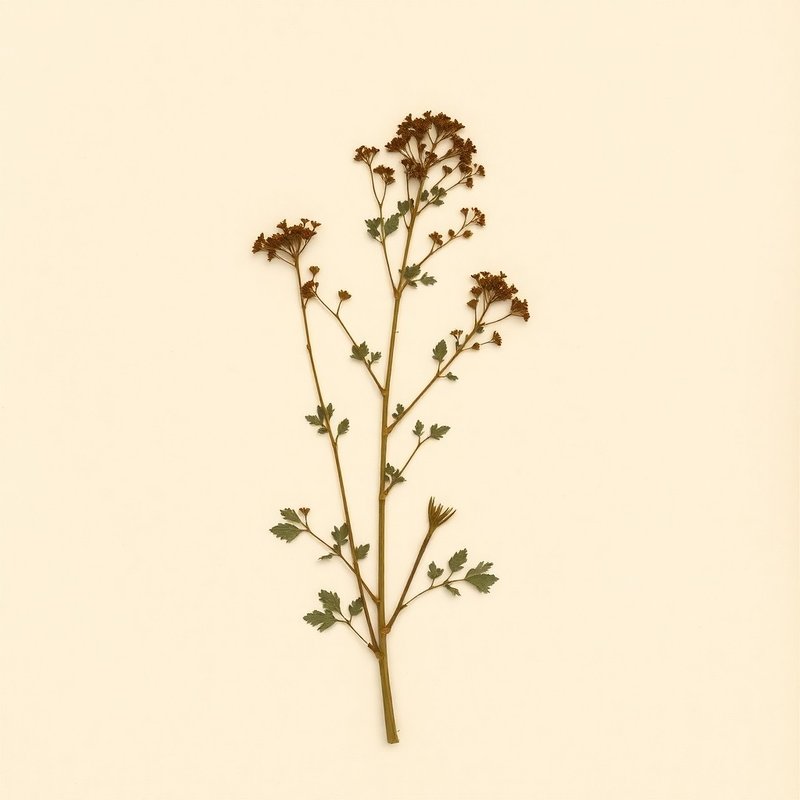
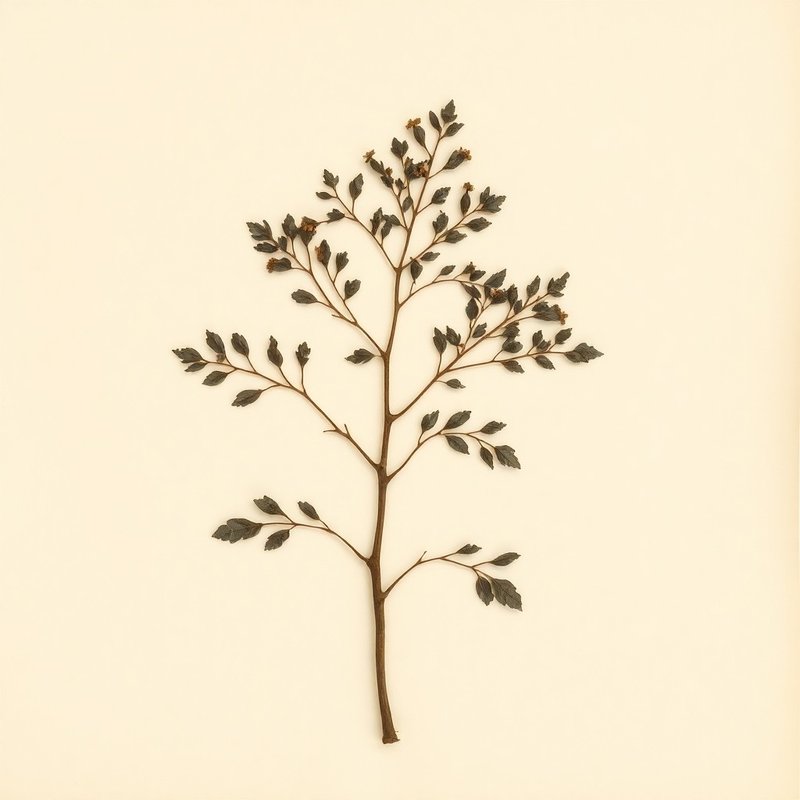
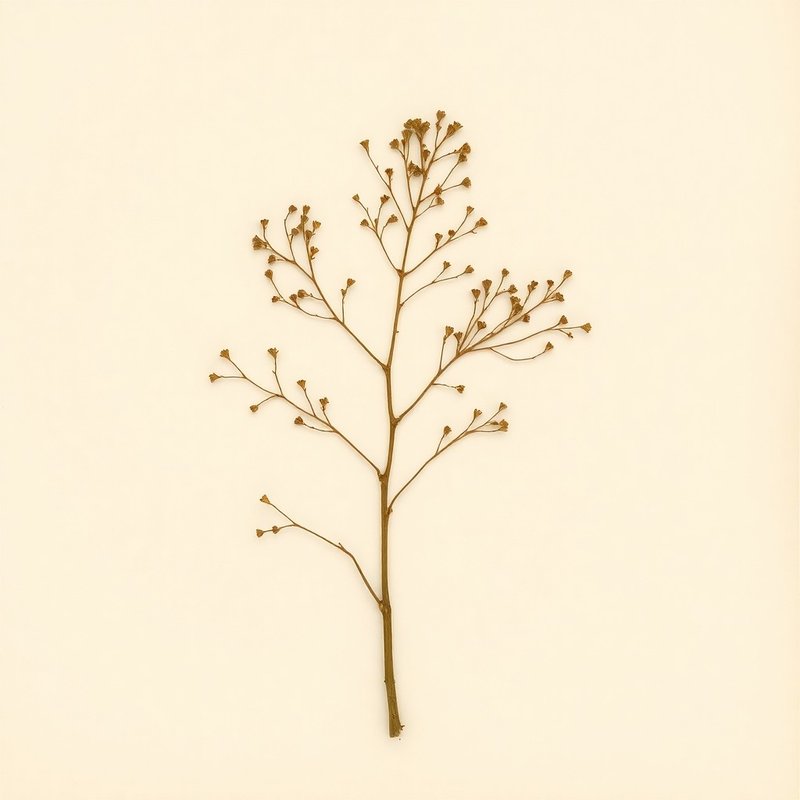
Populus deltoides (Eastern Cottonwood) — botanical photograph
Pl. 8758 — Populus deltoides
Populus deltoidesPopulus deltoidesPopulus deltoidesPopulus deltoidesPopulus deltoidesPopulus deltoidesPopulus deltoidesPopulus deltoidesPopulus deltoidesPopulus deltoidesPopulus deltoidesPopulus deltoidesPopulus deltoidesPopulus deltoides
I

Prezentare

Populus deltoides, un arbor în larg, decidu, nativ de estul și centru-vestul Statelor Unite, precum și din anumite părți ale Canadii și Meksico. Cunoscut pentru frunzele sale triunghiulare distincte și pentru lemnul său ușor, acest arbore se dezvolte în mediile umide și poate crește până la 30 de metri în înălțime. Este valorificat atât din punct de vedere al pieptului sa intern, utilizat în diete tradiționale ale popoarelor autohotrice, cât și din punct de vedere al frunzelor sale, care pot fi consumate.

Quick answers

What is Eastern Cottonwood?

Populus deltoides, un arbor în larg, decidu, nativ de estul și centru-vestul Statelor Unite, precum și din anumite părți ale Canadii și Meksico. Cunoscut pentru frunzele sale triunghiulare distincte și pentru lemnul său ușor, acest arbore se dezvolte în mediile umide și poate crește până la 30 de metri în înălțime.

What is Eastern Cottonwood used for?

Traditionally used for digestion, immune support. Each claim is evidence-rated — see Section II for full citations.

Best for
Top 2 evidence-ranked uses of Eastern Cottonwood
Jump to full evidence →
Clinicaluses · safety · chemistry · dosagemedicinal profile
II

Beneficii și dovezi

2 claims · traditional-use context
Traditional-use context
These notes are presented as ethnobotanical context. No cited clinical references are catalogued for this plant yet.
  • Eastern Cottonwood has been traditionally used in Native American medicine to aid digestion, often prepared as a tea from the leaves. This preparation is believed to help alleviate digestive discomfort.

    The mechanism by which Eastern Cottonwood aids digestion is not fully characterised but may involve compounds such as tannins and flavonoids that have anti-inflammatory effects on the gastrointestinal tract.

    ▲ ModerateDigestion →
  • Eastern Cottonwood has been traditionally used in Native American medicine to support immune health, often prepared as a decoction from the inner bark. This preparation is believed to help maintain overall wellness during seasonal changes.

    The mechanism by which Eastern Cottonwood supports immune function is not fully characterised but may involve bioactive compounds such as salicin and flavonoids that have anti-inflammatory properties.

    ▲ ModerateImmune support →
IV·b

Mixology suggestions

1 draft
Editorial drafts. These pairings are AI-suggested from traditional herbal lore. Always verify with a qualified herbalist before brewing.
Eastern Cottonwood support blend
general
tea
AI returned a direct ingredient list; normalized into one draft blend for editorial review.
Growingconditions · propagation · uses
V

Cultivare

Populus deltoides se dezvolte în condiții umide și preferă soluri ușoare (sândal), medii sau grele (argila) cu un pH între 5.2 și 7.3. Este durabil în zonele 3-9 și crește până la aproximativ 30 de metri în înălțime. Această arbore necesită suficiente luminătăți, însă poate tolera o umeditate parțială. Pentru propagare, se pot folosi semințe sau cuturi din piept intern. Frunzele sunt, de asemenea, comestibile. Asigurați-vă că solul rămâne constant umed pentru cea mai bună creștere.
Light
8/10
Water
Moist
Soil
Light (sandy), Medium, Heavy (clay)
Hardiness
3-9
Habit
Tree
Mature size
30.0 m tall
Soil pH
5.2–7.3
For first-time growers

How to grow Eastern Cottonwood for the first time

8steps

Start with planting Eastern Cottonwood in a suitable location and basic care to ensure its healthy growth.

  1. 1

    What you'll need

    Seeds or young saplings, a shovel, mulch.

  2. 2

    Best time to plant

    Plant in spring after the last frost or fall before the first freeze.

  3. 3

    Soil and container prep

    Choose a location with moist, well-draining soil. Amend heavy clay soils with sand for better drainage.

  4. 4

    Sowing or transplanting

    Plant seeds 1-2 inches deep in spring or transplant young saplings any time of the year when weather is mild.

  5. 5

    First two weeks

    Water regularly to keep soil moist. Monitor for signs of stress and adjust watering accordingly.

  6. 6

    Ongoing care

    Provide regular water, especially during dry spells. Prune only if necessary to remove dead or diseased branches.

  7. 7

    Harvest or pruning

    Prune in late winter before new growth starts to maintain the tree's shape and health.

  8. 8

    Common mistakes

    Overwatering, planting in poor soil, neglecting proper pruning.

VI

Edible & utility

Edible parts:Inner barkLeavesSeed
Edible uses: The Eastern Cottonwood's inner bark and leaves are edible. The inner bark can be harvested and prepared by peeling it from the tree and eating it raw or drying it for later use. Leaves can also be eaten fresh or dried. Seeds may be consumed but are not commonly used in food preparation.
Other uses:BiomassDyePioneerRooting hormoneWind breakerErosion controlLumber
Contextrange · companions · related
VII

Distribuție

55 native · 26 introduced
Distribution across4 continents· 55 native· 26 introduced
Europe12 regions
introduced (12)AustriaBelgiumBulgariaFranceGermanyHungaryItalyNetherlandsPortugalRussiaSpainUnited Kingdom
Asia2 regions
native (1)Georgia
introduced (1)South Korea
Americas2 regions
introduced (2)BoliviaPeru
Africa1 region
introduced (1)Morocco
Broader regions
native:Alabama, Alberta, Arizona, Arkansas, Colorado, Connecticut, Delaware, District of Columbia, Florida, Idaho, Illinois, Indiana, Iowa, Kansas, Kentucky, Louisiana, Manitoba, Maryland, Masachusettes, Massachusetts, Mexico Gulf, Mexico Northeast, Mexico Northwest, Mexico Southwest, Michigan, Minnesota, Mississippi, Missouri, Montana, Nebraska, New Hampshire, New Jersey, New Mexico, New York, North Carolina, North Dakota, Ohio, Oklahoma, Ontario, Oregon, Pennsylvania, Québec, Saskatchewan, South Carolina, South Dakota, Tennessee, Texas, Utah, Vermont, Virginia, Washington, West Virginia, Wisconsin, Wyoming
introduced:Argentina Northeast, Cape Provinces, Free State, KwaZulu-Natal, Northern Provinces, Primorye, Tadzhikistan, West Himalaya, Yugoslavia
IX

Specimen gallery

1 image
Populus deltoides (Eastern Cottonwood) — botanical photograph
Eastern Cottonwood (Populus deltoides)
X

See also

8 related
XI

Explore further

XII

About this entry

Last updated
Citation
How to cite this entry · Submit a correction
Back to the cataloguePlant id · 87585866-5fea-4d3f-b448-9e4972ae1048
❦❦❦❦
Endpaper · archive updates

Primește digest-ul săptămânal

Un email curat pe săptămână — profile noi de plante, note sezoniere de cultivare, adăugiri în arhiva de remedii. Gratuit, fără tracking, dezabonare oricând.

Newsletter returning soon.
We are rebuilding the update list around a lightweight editorial workflow. New dispatches will resume after the next content review cycle.
iCare notes