
Bao li
IPrezentare
Prezentare
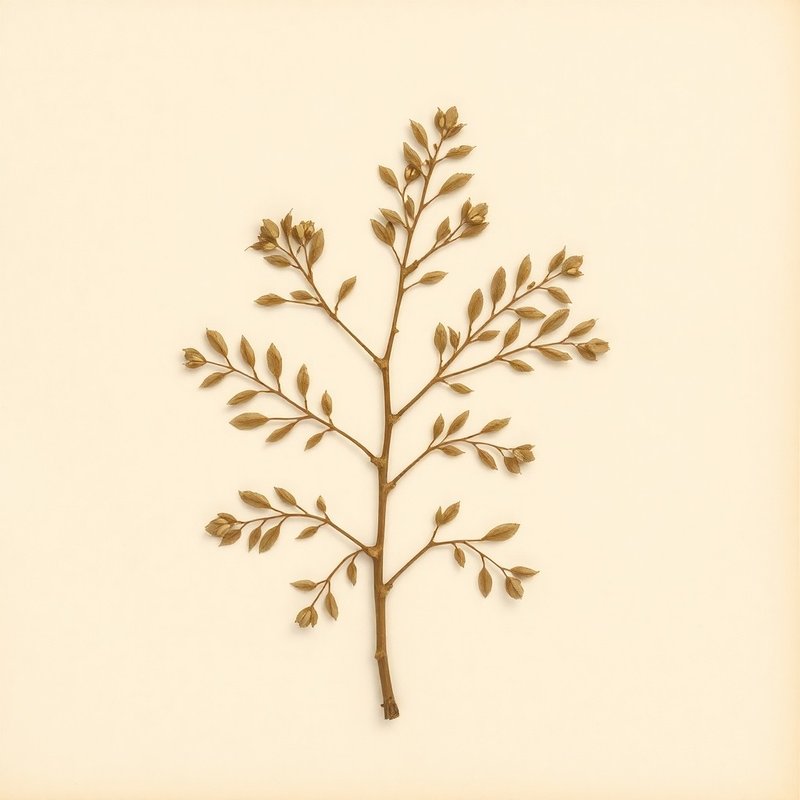
Bao li, cunoscut scientific sub numele de *Quercus serrata*, este un arbore decidu originează în pădurile Bangladeshului, China (Nord-Central, Sud-Central și Sud-Est), Himalaya Est, Japonia, Coreea și Taiwan. Această specie de dintr-un grup de cărbunele se adaptează la condiții umide și preferă soluri de tip mediu până la greu clayeuse. Puteți crește până la 15 metri în înălțime și necesită soare parțial sau complet pentru creștere optimă. Bao li este valorificat nu numai din punct de vedere ornamental, ci și ca plantă alimentară, folosind atât frunzele cât și semințele sale. Adaptabilitatea sa și prezența sa într-o gamă largă de habitaturi din Asia de Est o face componentă importantă a floriției regiunii.
What is Bao li?
Bao li, cunoscut scientific sub numele de *Quercus serrata*, este un arbore decidu originează în pădurile Bangladeshului, China (Nord-Central, Sud-Central și Sud-Est), Himalaya Est, Japonia, Coreea și Taiwan.
What is Bao li used for?
Traditionally used for immune support, stress & anxiety. Each claim is evidence-rated — see Section II for full citations.
IIBeneficii și dovezi
2 claims · traditional-use context
Beneficii și dovezi
2 claims · traditional-use context- Quercus serrata has been traditionally used in Chinese medicine to support immune health, often prepared as a decoction. Its anti-inflammatory and antioxidant properties may help modulate the body's response to pathogens.
Contains quercetin, which exerts anti-inflammatory effects by inhibiting histamine release and reducing oxidative stress through its antioxidant activity.
▲ ModerateImmune support → - Traditional-use note: Bao li appears in herbal sources around calming and relaxation traditions, often as a tea. PlantSage presents this as ethnobotanical context, not as medical advice.
Traditional context only. This reviewed claim keeps the original moderate confidence level, but avoids treatment, disease, dosage, or guaranteed-effect language.
▲ ModerateStress & anxiety →
IV·bMixology suggestions
1 draft
Mixology suggestions
1 draftVCultivare
Cultivare
How to grow Bao li for the first time
Start with planting Bao li in a sunny spot and follow these steps for success.
- 1
What you'll need
Bao li saplings, garden gloves, spade or trowel.
- 2
Best time to plant
Plant in spring when the soil is moist but not waterlogged.
- 3
Soil and container prep
Choose a well-draining spot with medium to heavy soil. Amend clay soils with organic matter.
- 4
Sowing or transplanting
Transplant saplings in spring, digging a hole twice the size of the root ball.
- 5
First two weeks
Water regularly to keep the soil moist but not soggy. Monitor for pests and diseases.
- 6
Ongoing care
Provide full sun or partial shade. Water deeply once a week, especially in dry spells. Mulch around the base.
- 7
Harvest or pruning
Prune young trees to shape them. Harvest leaves and seeds for culinary use as needed.
- 8
Common mistakes
Overwatering, planting in poor soil, neglecting pruning, not providing enough sunlight, and using chemical fertilizers.
VIEdible & utility
Edible & utility
VIIDistribuție
8 native · 0 introduced
Distribuție
8 native · 0 introducedIXSpecimen gallery
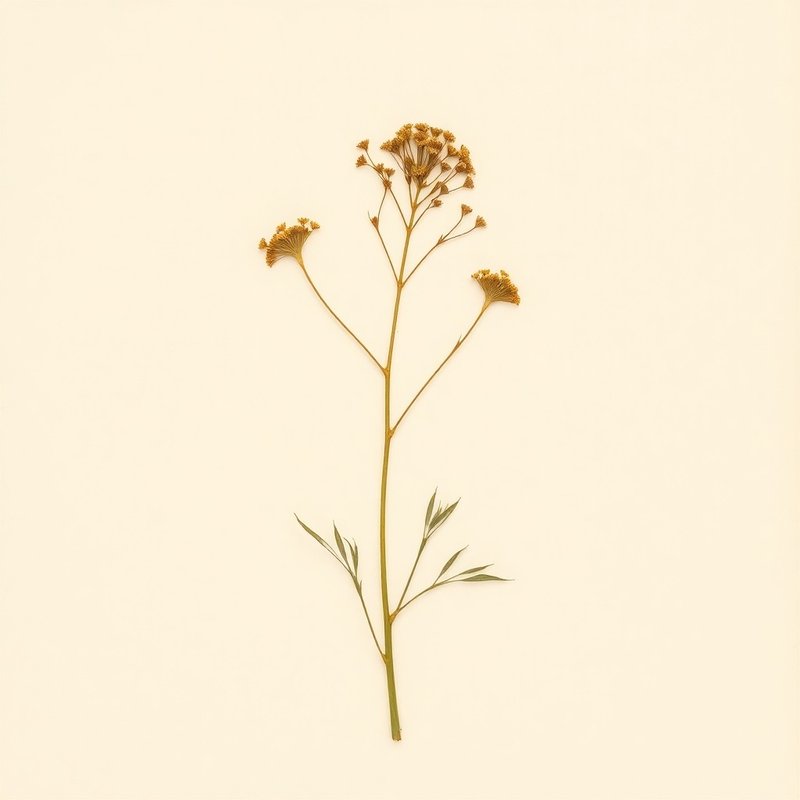
1 image
Specimen gallery
1 imageXSee also
8 related
See also
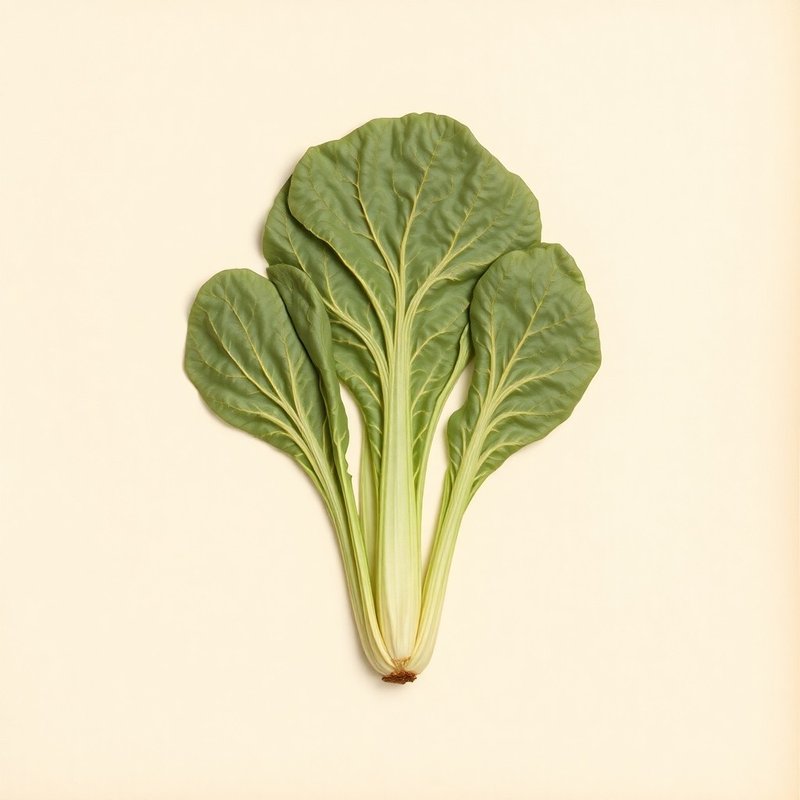
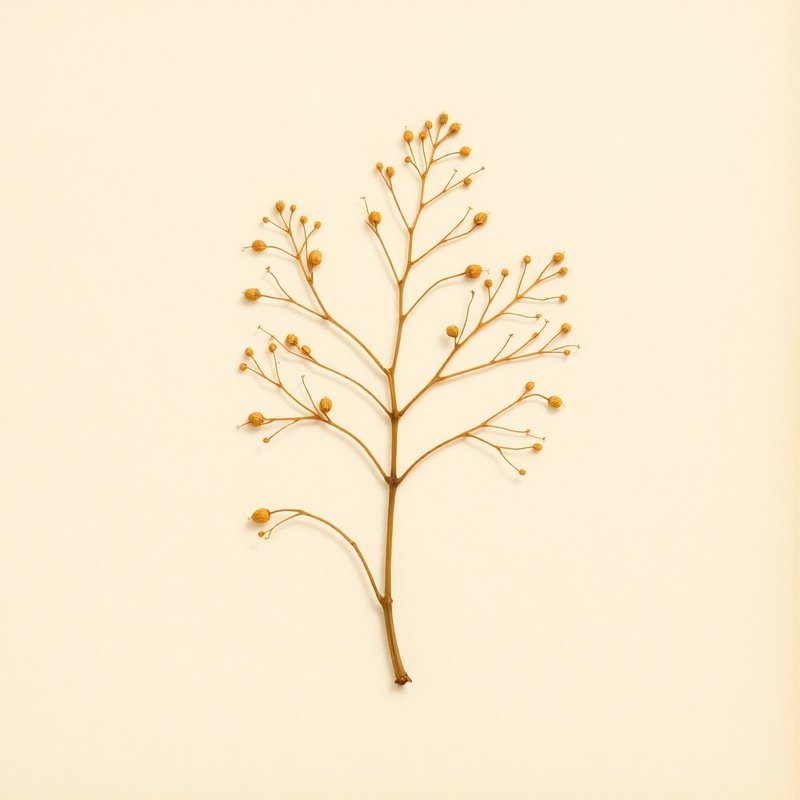
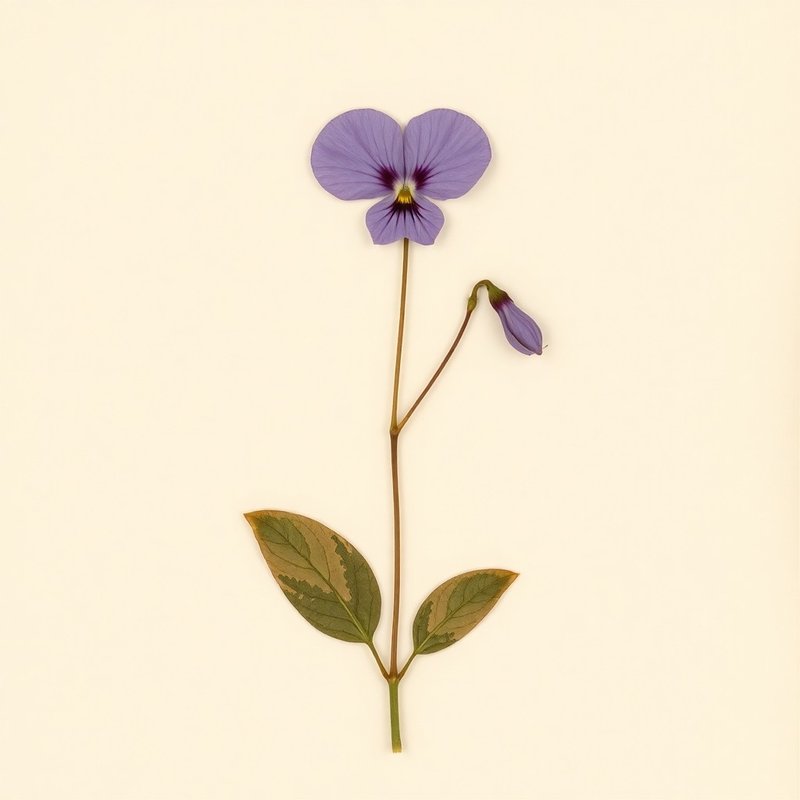
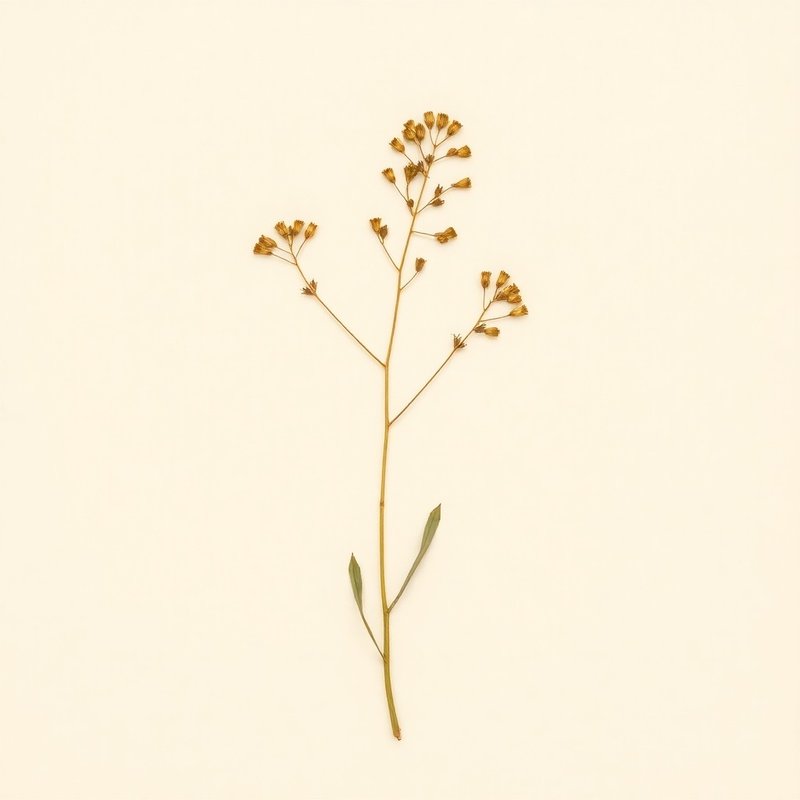
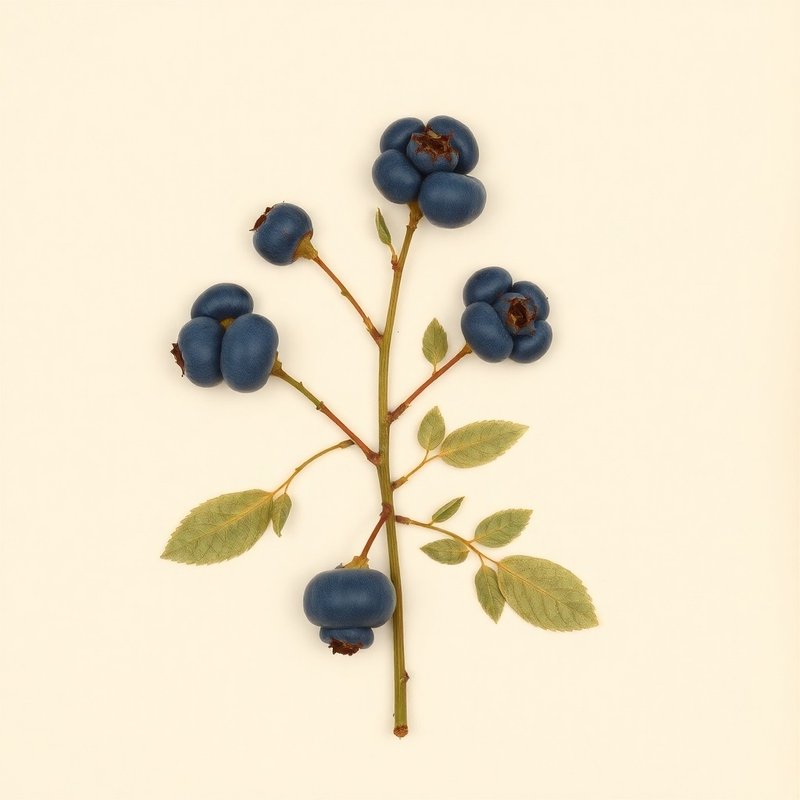
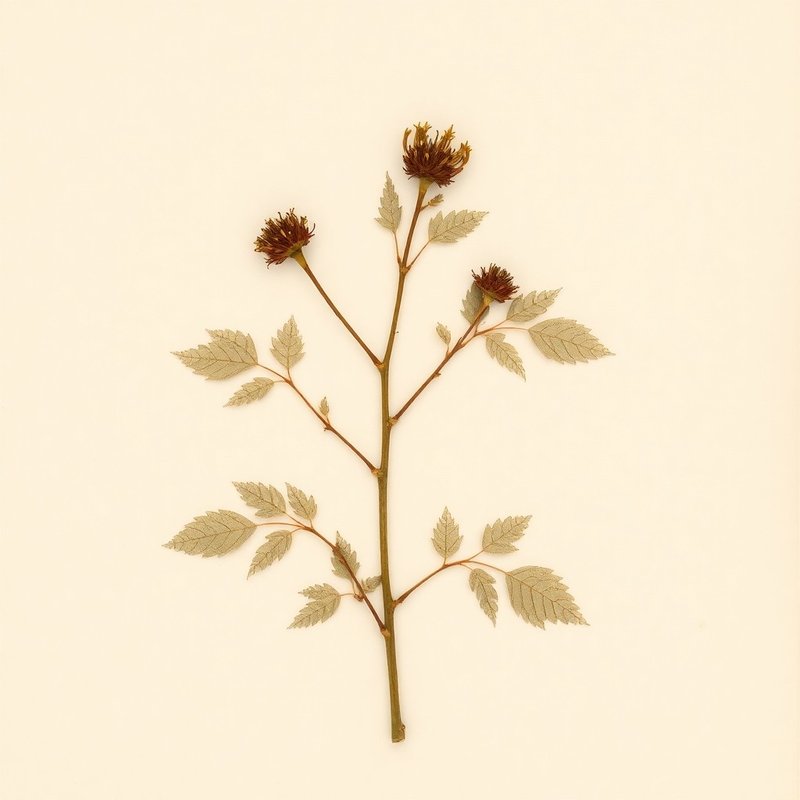
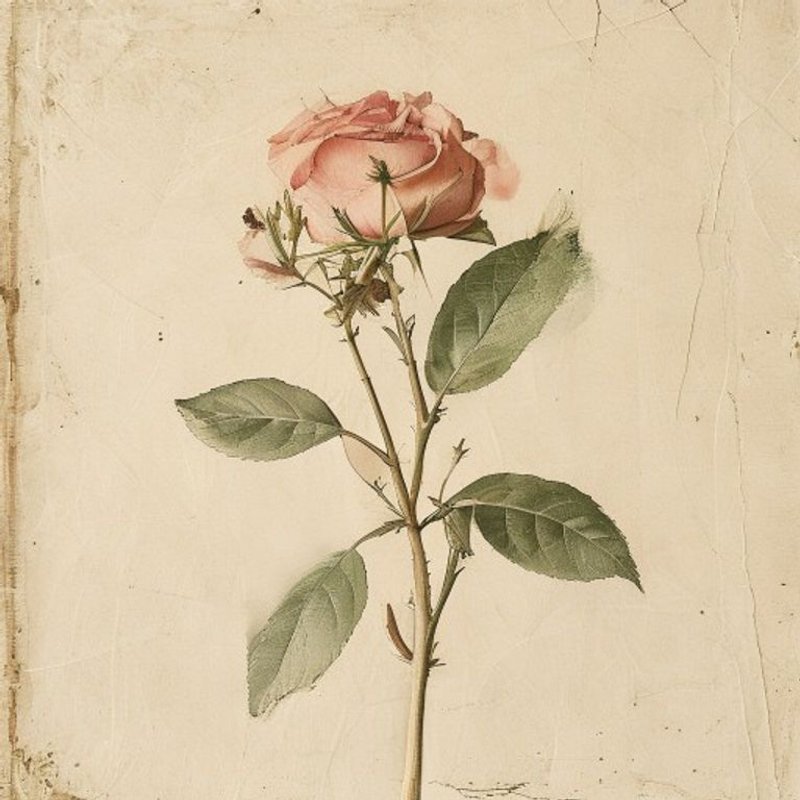
8 relatedPlants you might compare or use together — scored by shared family, common use cases, and growing requirements.
Explore further
About this entry
- Last updated
- Citation
- How to cite this entry · Submit a correction
Continue reading
Primește digest-ul săptămânal
Un email curat pe săptămână — profile noi de plante, note sezoniere de cultivare, adăugiri în arhiva de remedii. Gratuit, fără tracking, dezabonare oricând.