
Live Oak
IPrezentare
Prezentare
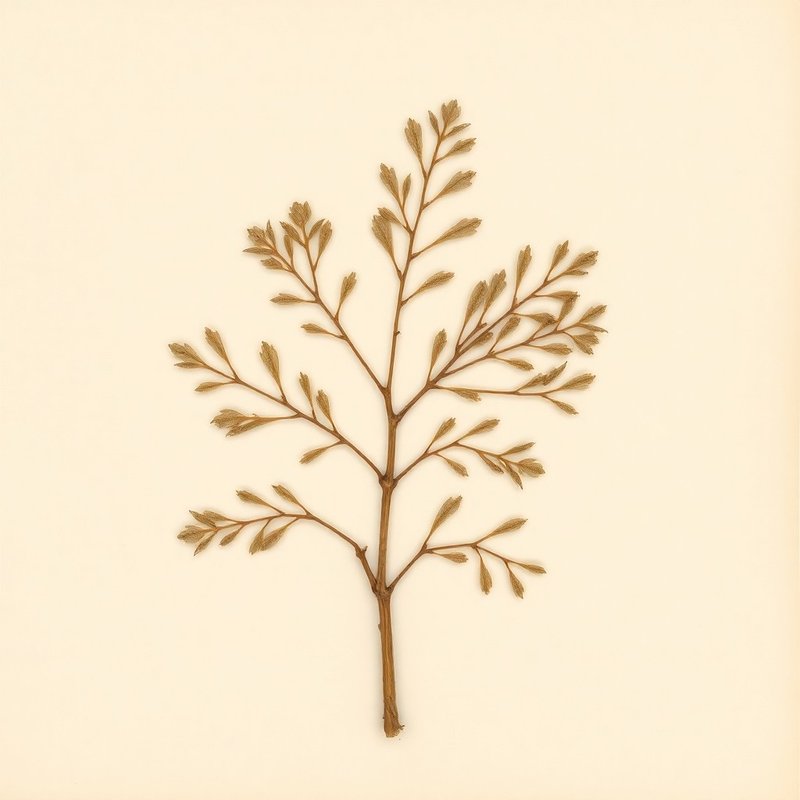
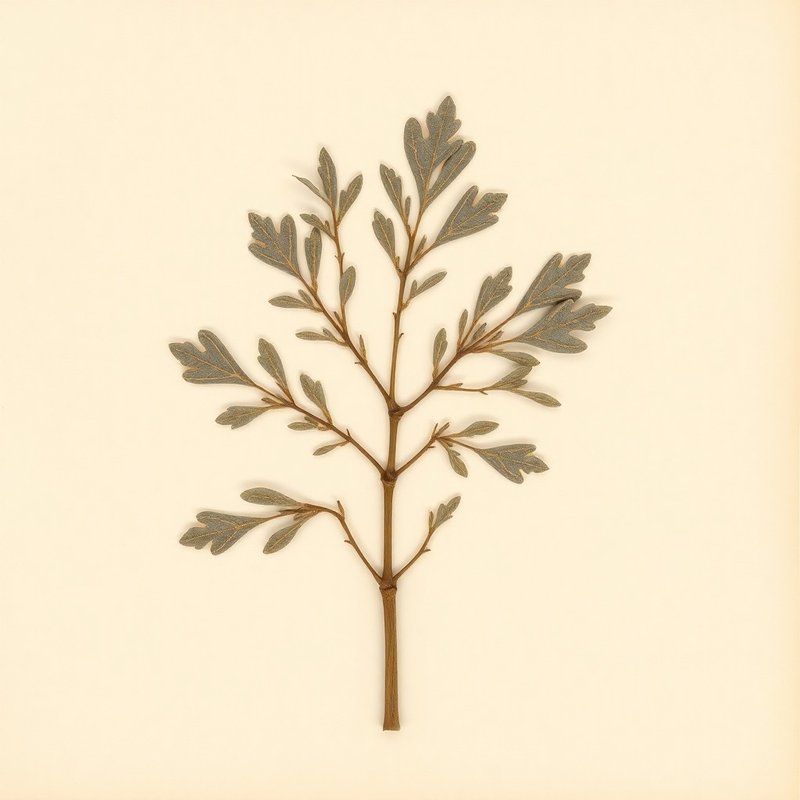
Quercus wislizenii, un arbore nativ din California și nord-vestul Meksici, aparține familiei Fagaceae. Cunoscut pentru cererea sa de lumină a zilei sau umedă cu oportunitate de semne întuneric, acest plant se dezvoltă în sucuri umede care pot fi medii până la grele argila. Înălțimea poate atinge 20 metri, fiind atât ornamental cât și alimentar; sementele sale sunt o surse de aliment important. Un caracter distinctiv care îl distinge este natura sa evergreen, ceea ce îi permite să retină frunze în toamnă și iarnă, făcându-l un element prominent în landscape-ul regiunilor natice.
What is Live Oak?
Quercus wislizenii, un arbore nativ din California și nord-vestul Meksici, aparține familiei Fagaceae. Cunoscut pentru cererea sa de lumină a zilei sau umedă cu oportunitate de semne întuneric, acest plant se dezvoltă în sucuri umede care pot fi medii până la grele argila.
What is Live Oak used for?
Traditionally used for immune support. Each claim is evidence-rated — see Section II for full citations.
IIBeneficii și dovezi
1 claim · traditional-use context
Beneficii și dovezi
1 claim · traditional-use context- Live Oak has been traditionally used in Native American medicine to support immune health, often prepared as a decoction. Its anti-inflammatory and antioxidant properties may help bolster the body's defenses against pathogens.
Quercetin, a flavonoid found in Live Oak, exerts anti-inflammatory effects by inhibiting pro-inflammatory cytokines such as TNF-α and IL-6. This compound also acts as an antioxidant, scavenging free radicals that can damage cells.
▲ ModerateImmune support →
IV·bMixology suggestions
1 draft
Mixology suggestions
1 draftVCultivare
Cultivare
How to grow Live Oak for the first time
Start with a young Live Oak sapling for the best beginner experience.
- 1
What you'll need
A young Live Oak sapling, garden gloves, and a shovel.
- 2
Best time to plant
Plant in late winter or early spring when temperatures are mild.
- 3
Soil and container prep
Ensure the soil is well-draining but moisture-retentive. Amend with organic matter if needed.
- 4
Sowing or transplanting
Transplant the sapling to a prepared hole that's twice as wide but not deeper than its root ball.
- 5
First two weeks
Water regularly, keeping the soil moist but not waterlogged. Monitor for signs of stress.
- 6
Ongoing care
Provide full sun to partial shade and regular watering until established. Prune lightly in late winter.
- 7
Harvest or pruning
Prune dead or diseased branches as needed, focusing on shaping the tree during its first few years.
- 8
Common mistakes
Planting too deep, overwatering, and neglecting to prune can harm a Live Oak.
VIEdible & utility
Edible & utility
VIIDistribuție
2 native · 0 introduced
Distribuție
2 native · 0 introducedIXSpecimen gallery
1 image
Specimen gallery
1 imageXSee also
8 related
See also
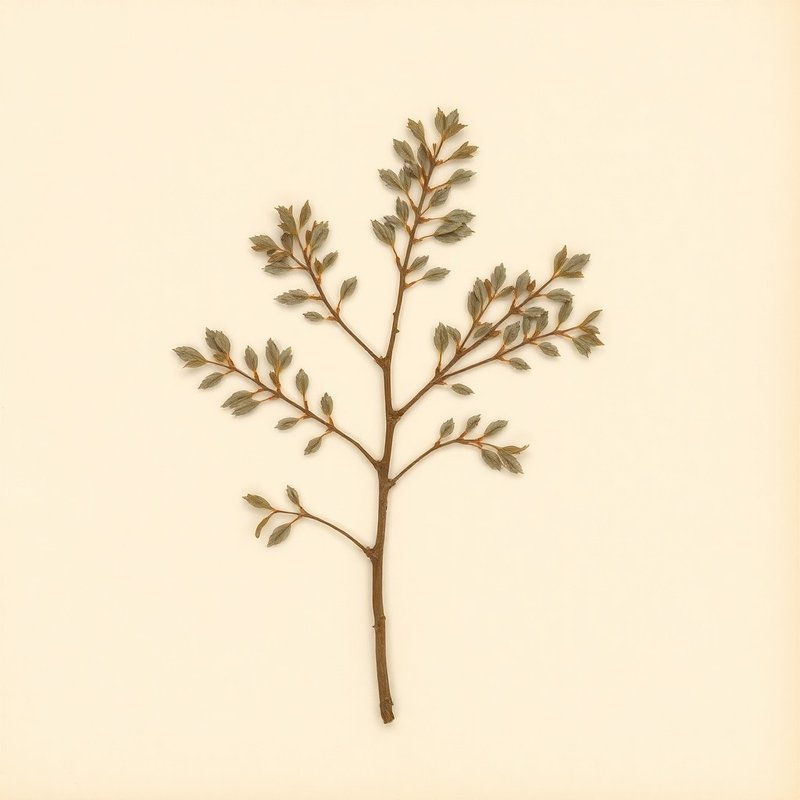
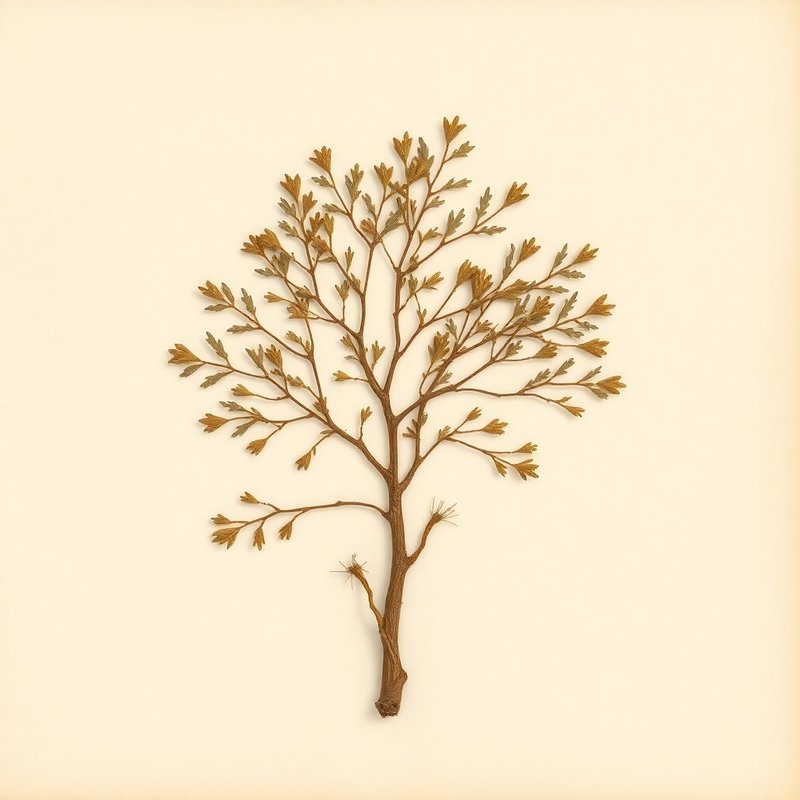
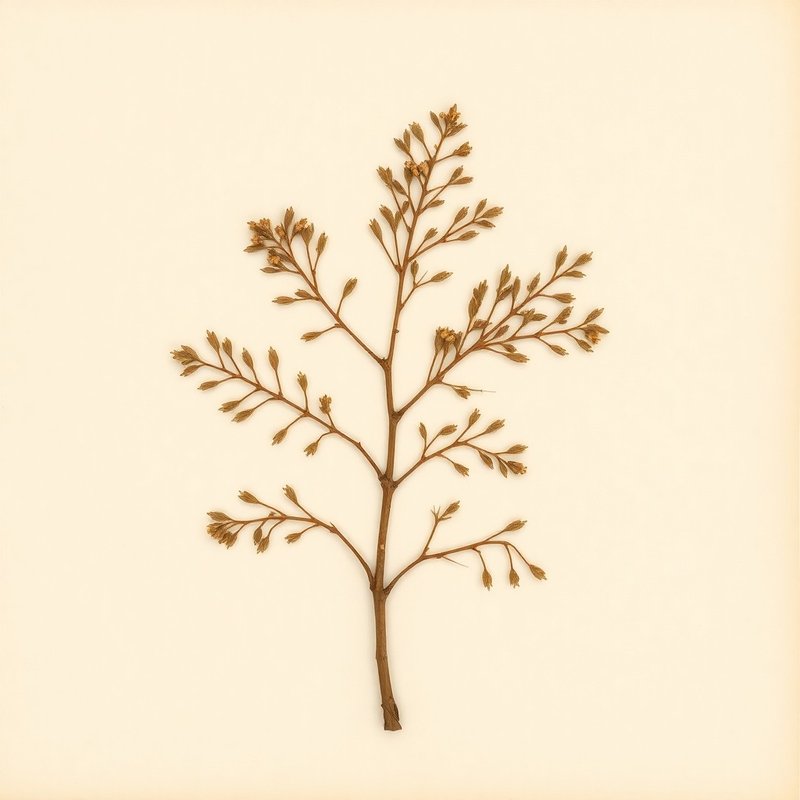
8 relatedPlants you might compare or use together — scored by shared family (Fagaceae), common use cases, and growing requirements.
Explore further
About this entry
- Last updated
- Citation
- How to cite this entry · Submit a correction
Continue reading
Primește digest-ul săptămânal
Un email curat pe săptămână — profile noi de plante, note sezoniere de cultivare, adăugiri în arhiva de remedii. Gratuit, fără tracking, dezabonare oricând.