
Ring-cup oak
Quercus glaucafam. Fagaceae
Educational content — not medical, botanical, or professional advice. Always consult a qualified clinician before using any herbal preparation — especially during pregnancy, breastfeeding, while on medication, or for children. How we source & review →
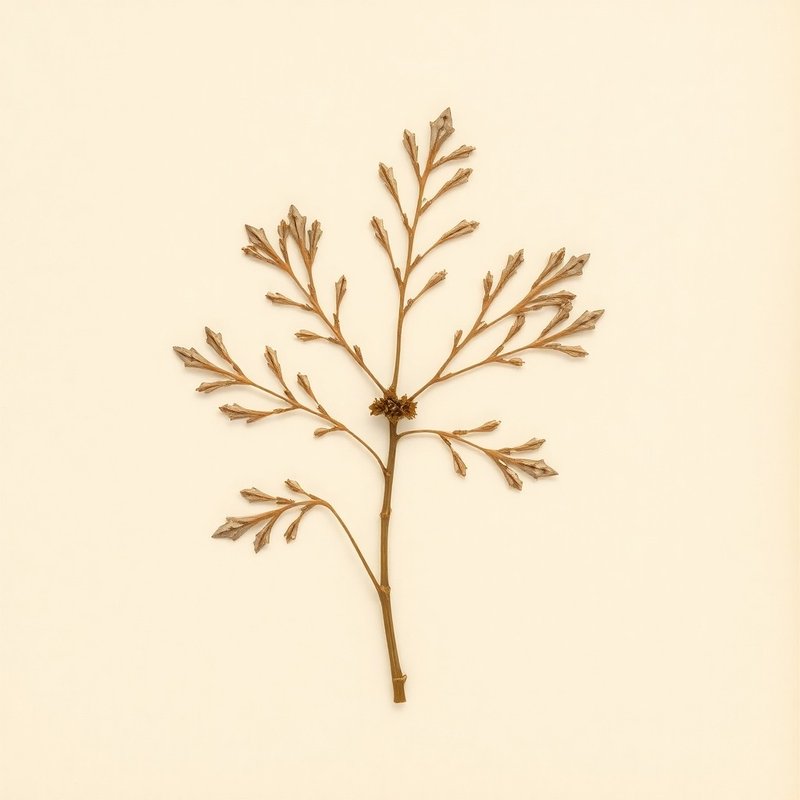
Pl. E6C5 — Quercus glauca
Quercus glaucaQuercus glaucaQuercus glaucaQuercus glaucaQuercus glaucaQuercus glaucaQuercus glaucaQuercus glaucaQuercus glaucaQuercus glaucaQuercus glaucaQuercus glaucaQuercus glaucaQuercus glauca
IPrezentare
Prezentare
Ring-cup oak (Quercus glauca) este un arbore decidu nativ în regiuni precum Sud-Centrul Chinez, Sud-Estul Chinez, Japonia, Nansei-shoto, Taiwan și Assam din Himalaya Est. Cunoscut pentru frunze și semințe edibile, acest plant se dezvolte în mediile umide cu suște medie sau grea (argila), preferențial în soare direct sau parțial. Pătrunjele sale pot ajunge până la 15 metri de înălțime și sunt durabile în zonele 8-9. Caracteristicile distincte ale acestui arbore includ frunze verzi lucioase și acornuri închise într-o structură cupă, separându-le de alte specii de pătrunjel.
Quick answers
What is Ring-cup oak?
Ring-cup oak (Quercus glauca) este un arbore decidu nativ în regiuni precum Sud-Centrul Chinez, Sud-Estul Chinez, Japonia, Nansei-shoto, Taiwan și Assam din Himalaya Est.
What is Ring-cup oak used for?
Traditionally used for digestion, immune support. Each claim is evidence-rated — see Section II for full citations.
Best for
Top 2 evidence-ranked uses of Ring-cup oak
Clinicaluses · safety · chemistry · dosagemedicinal profile
IIBeneficii și dovezi
2 claims · 0 sources
Beneficii și dovezi
2 claims · 0 sources- Ring-cup oak is traditionally used in Chinese medicine to aid digestion, often prepared as a decoction. It may help alleviate digestive discomfort and support the overall health of the gastrointestinal tract.
The mechanism by which Ring-cup oak aids digestion is not fully characterised but may involve compounds such as tannins that can have an astringent effect on the gut lining, potentially reducing inflammation and irritation.
- Ring-cup oak has been traditionally used in Chinese medicine to support immune health, often prepared as a decoction. Its use is based on the belief that it can help maintain overall well-being during seasonal changes.
The mechanism by which Ring-cup oak supports immune function is not fully characterised but may involve bioactive compounds such as flavonoids and tannins, known for their antioxidant properties.
IV·bMixology suggestions
1 draft
Mixology suggestions
1 draftEditorial drafts. These pairings are AI-suggested from traditional herbal lore. Always verify with a qualified herbalist before brewing.
Ring-cup oak support blend
generaltea
AI returned a direct ingredient list; normalized into one draft blend for editorial review.
Growingconditions · propagation · uses
VCultivare
Cultivare
Ring-cup oak se dezvolte bine în soare direct sau parțial și preferă suștea umedă cu suște medie sau grea (argila). Încrengături 8-9 sunt potrivite pentru acest arbore, care poate ajunge până la o înălțime de aproximativ 15 metri. Pentru propagare, se pot folosi semințe. Asigurați-vă că suștea rămâne constant umed, dar evitați apa supranevoie pentru a preveni rotul radicolar. Acest arbore este nativ în regiuni precum Sud-Centrul Chinez, Sud-Estul Chinez, Japonia, Taiwan, Assam, Nord-Centrul Chinez și Himalaya Est. Frunzele și semințele sale sunt edibile.
Light
Full sun, Partial sun/shade
Water
Moist
Soil
Medium, Heavy (clay)
Hardiness
8-9
Mature size
15.0 m tall
For first-time growers
How to grow Ring-cup oak for the first time
7steps
Start with planting a young Ring-cup oak in your garden for a rewarding beginner project.
- 1
What you'll need
A young Ring-cup oak sapling, a spade, and some compost.
- 2
Best time to plant
Plant in early spring or late autumn when the soil is moist but not waterlogged.
- 3
Soil and container prep
Ensure the soil is well-draining with plenty of organic matter. For containers, use a mix of medium and heavy soil types.
- 4
Sowing or transplanting
Transplant the sapling carefully, ensuring the root ball remains intact.
- 5
First two weeks
Water regularly to keep the soil moist but not soggy. Monitor for signs of stress such as wilting.
- 6
Ongoing care
Provide full sun or partial shade and water when the top inch of soil feels dry. Prune lightly in late winter to maintain shape.
- 7
Harvest or pruning
Prune young branches in late winter to encourage a strong structure. Leaves can be collected for use but are not typically harvested.
VIEdible & utility
Edible & utility
Edible parts:LeavesSeed
Edible uses: Coffee
Other uses:Fire starterTanninLumber
Contextrange · companions · related
VIIDistribuție
16 native · 0 introduced
Distribuție
16 native · 0 introducedDistribution across1 continent· 16 native
Asia9 regions
native (9)ChinaIndiaJapanLaosMyanmarNepalSouth KoreaTaiwanVietnam
Broader regions
native:Nansei-shoto, East Himalaya, Hainan, West Himalaya
IXSpecimen gallery
1 image
Specimen gallery
1 imageXSee also
8 related
See also
8 relatedPlants you might compare or use together — scored by shared family (Fagaceae), common use cases, and growing requirements.
same family · Fagaceae
Botanical relatives — often share phytochemistry + growing needs.
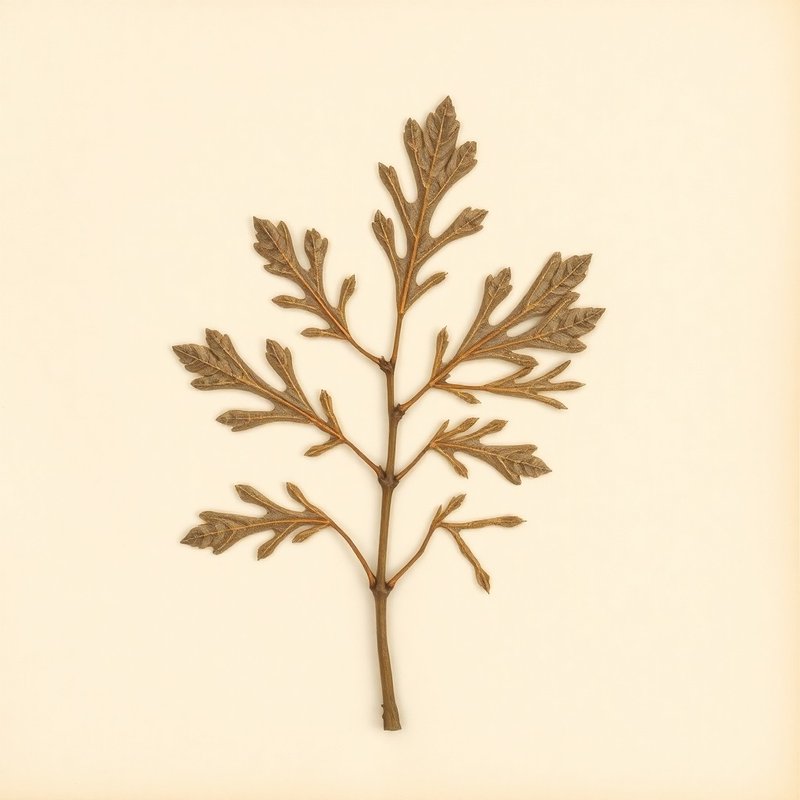
shared use cases
Different families, similar therapeutic role — good for comparing.

XI
Explore further
Companion planting
Health goals
Compare with similar plants
Growing zone
XII
About this entry
- Last updated
- Citation
- How to cite this entry · Submit a correction
Back to the cataloguePlant id · e6c5585b-743d-4927-97be-3cbd9f2e37d8
Decision aid
Choosing between Ring-cup oak and something else?
Continue reading
❦❦❦❦
Endpaper · archive updates
Primește digest-ul săptămânal
Un email curat pe săptămână — profile noi de plante, note sezoniere de cultivare, adăugiri în arhiva de remedii. Gratuit, fără tracking, dezabonare oricând.