
Low Prairie Rose
Rosa arkansana
Educational content — not medical, botanical, or professional advice. Always consult a qualified clinician before using any herbal preparation — especially during pregnancy, breastfeeding, while on medication, or for children. How we source & review →
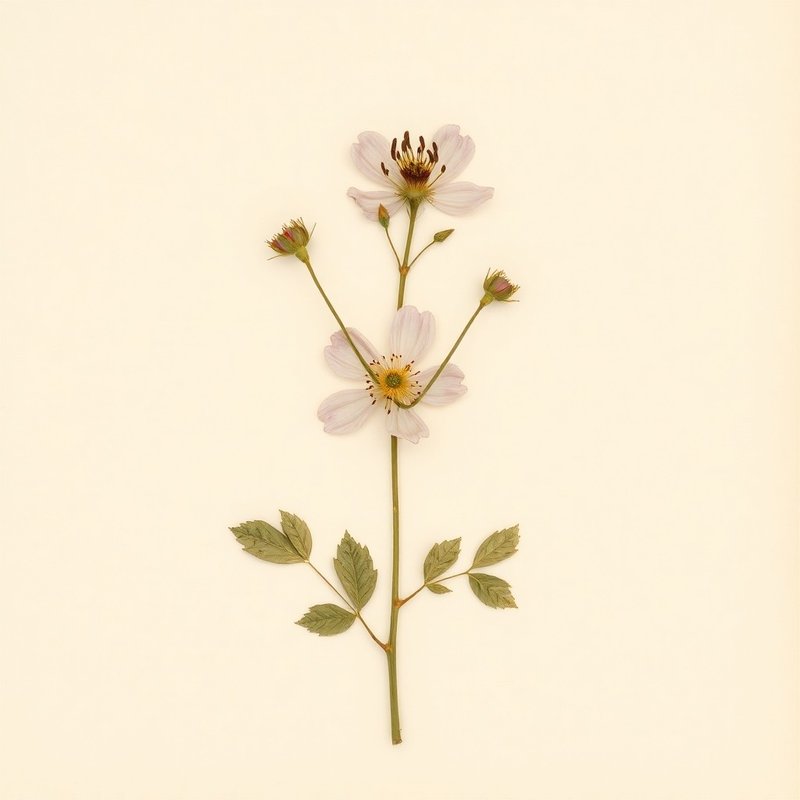
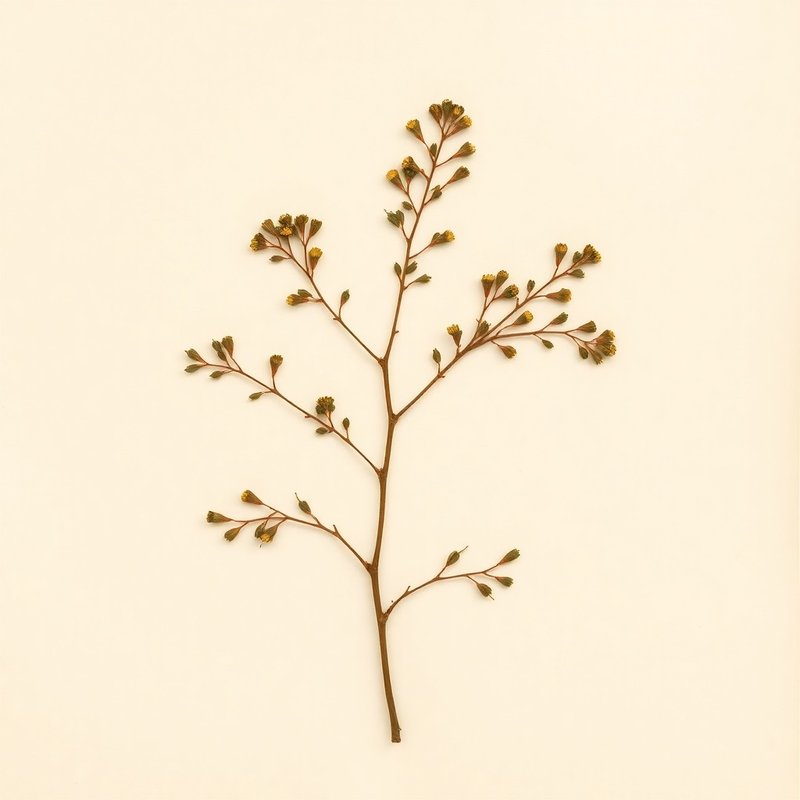
Pl. 3C12 — Rosa arkansana
Rosa arkansanaRosa arkansanaRosa arkansanaRosa arkansanaRosa arkansanaRosa arkansanaRosa arkansanaRosa arkansanaRosa arkansanaRosa arkansanaRosa arkansanaRosa arkansanaRosa arkansanaRosa arkansana
IPrezentare
Prezentare
Rosa arkansana, roșii de pădure măgurie (Low Prairie Rose), este un subarbore care se dezvolte în soare întreg sau parțial și preferă sustrat umed de tip liniștit (sând), mediu sau greu (argil). Este durabil în zonele 4-8, crește până la o înălțime de 1.2 m și este nativ în regiuni precum Alberta, Arkansas, British Columbia, Colorado, Illinois, Indiana, Iowa, Kansas, Manitoba, Michigan, Minnesota, Missouri, Montana, Nebraska, New Mexico, North Dakota, Ohio, Oklahoma, Saskatchewan, South Dakota, Texas și Wisconsin. Această plantă este notabilă pentru părțiile sale comestibile, care includ fructul, șoarele și stemurile, făcând-o o resursă valabilă în zonele unde crește natural.
Quick answers
What is Low Prairie Rose?
Rosa arkansana, roșii de pădure măgurie (Low Prairie Rose), este un subarbore care se dezvolte în soare întreg sau parțial și preferă sustrat umed de tip liniștit (sând), mediu sau greu (argil). Este durabil în zonele 4-8, crește până la o înălțime de 1.
What is Low Prairie Rose used for?
Traditionally used for immune support, stress & anxiety. Each claim is evidence-rated — see Section II for full citations.
Best for
Top 2 evidence-ranked uses of Low Prairie Rose
Clinicaluses · safety · chemistry · dosagemedicinal profile
IIBeneficii și dovezi
2 claims · 0 sources
Beneficii și dovezi
2 claims · 0 sources- Rosa species have been traditionally used in European herbalism to support immune function, often prepared as a decoction. Low Prairie Rose may similarly help maintain healthy immune responses.
Flavonoids and anthocyanins found in roses are known for their antioxidant properties which can enhance the body's defense mechanisms against oxidative stress and inflammation.
- Traditional-use note: Low Prairie Rose appears in herbal sources around calming and relaxation traditions, often as a tea. PlantSage presents this as ethnobotanical context, not as medical advice.
Traditional context only. This reviewed claim keeps the original moderate confidence level, but avoids treatment, disease, dosage, or guaranteed-effect language.
IV·bMixology suggestions
1 draft
Mixology suggestions
1 draftEditorial drafts. These pairings are AI-suggested from traditional herbal lore. Always verify with a qualified herbalist before brewing.
Low Prairie Rose support blend
generaltea
AI returned a direct ingredient list; normalized into one draft blend for editorial review.
Growingconditions · propagation · uses
VCultivare
Cultivare
Rosa arkansana, roșii de pădure măgurie (Low Prairie Rose), se dezvolte bine în soare întreg sau parțial și preferă sustrat umed de tip liniștit (sând), mediu sau greu (argil). Crește în zonele durabile 4-8 și poate atinge o înălțime de 1.2 m ca subarbore. Pentru creșterea optimă, asigurați-vă că sustratul rămâne umed constant, dar evitați irrigările excesive pentru a preveni rotul radicol. Această plantă este nativ în regiuni precum Alberta, Arkansas, British Columbia, Colorado, Illinois, Indiana, Iowa, Kansas, Manitoba, Michigan, Minnesota, Missouri, Montana, Nebraska, New Mexico, North Dakota, Ohio, Oklahoma, Saskatchewan, South Dakota, Texas și Wisconsin, făcând-o adaptabilă în climatelor temperate.
Light
Full sun, Partial sun/shade
Water
Moist
Soil
Light (sandy), Medium, Heavy (clay)
Hardiness
4-8
Habit
Subshrub
Mature size
1.2 m tall
For first-time growers
How to grow Low Prairie Rose for the first time
8steps
Start with a simple, low-maintenance shrub that thrives in various conditions.
- 1
What you'll need
A Low Prairie Rose plant or cutting, garden gloves, and a trowel.
- 2
Best time to plant
Plant in early spring or late fall when the soil is moist but not waterlogged.
- 3
Soil and container prep
Ensure the soil is well-draining with a pH between 6.0 and 7.5; prepare a hole twice as wide as the root ball.
- 4
Sowing or transplanting
Transplant directly from its pot into the ground, ensuring the top of the root ball is level with the soil surface.
- 5
First two weeks
Water regularly to keep the soil moist but not soggy; mulch around the base to retain moisture and suppress weeds.
- 6
Ongoing care
Water deeply once a week, especially during dry spells. Prune in late winter or early spring to maintain shape and remove dead wood.
- 7
Harvest or pruning
Prune the plant annually for better growth and to encourage flowering; harvest shoots and stems for decorative purposes.
- 8
Common mistakes
Overwatering, planting in heavy clay soil, neglecting winter protection in colder regions, and not providing enough sunlight.
VIEdible & utility
Edible & utility
Edible parts:FruitShootsStem
Edible uses: Tea
Other uses:Essential Oil
Contextrange · companions · related
VIIDistribuție
23 native · 7 introduced
Distribuție
23 native · 7 introducedDistribution across0 continents· 23 native· 7 introduced
Broader regions
native:Alberta, Arkansas, Colorado, Illinois, Indiana, Iowa, Kansas, Manitoba, Michigan, Ohio, Oklahoma, Saskatchewan, South Dakota, Texas, Wisconsin, Wyoming, British Columbia, Minnesota, Missouri, Montana, Nebraska, New Mexico, North Dakota
introduced:Maine, Massachusetts, New York, North Carolina, Ontario, Québec, Vermont
IXSpecimen gallery
1 image
Specimen gallery
1 imageXSee also
8 related
See also
8 relatedPlants you might compare or use together — scored by shared family, common use cases, and growing requirements.
shared use cases
Different families, similar therapeutic role — good for comparing.
XI
Explore further
Companion planting
Health goals
Compare with similar plants
Growing zone
XII
About this entry
- Last updated
- Citation
- How to cite this entry · Submit a correction
Back to the cataloguePlant id · 3c125ba1-7a32-49e9-9cf4-c7ef6332cb0b
Decision aid
Choosing between Low Prairie Rose and something else?
Continue reading
❦❦❦❦
Endpaper · archive updates
Primește digest-ul săptămânal
Un email curat pe săptămână — profile noi de plante, note sezoniere de cultivare, adăugiri în arhiva de remedii. Gratuit, fără tracking, dezabonare oricând.