
Creeping Bramble
Rubus tricolor
Educational content — not medical, botanical, or professional advice. Always consult a qualified clinician before using any herbal preparation — especially during pregnancy, breastfeeding, while on medication, or for children. How we source & review →

Pl. 2384 — Rubus tricolor
Rubus tricolorRubus tricolorRubus tricolorRubus tricolorRubus tricolorRubus tricolorRubus tricolorRubus tricolorRubus tricolorRubus tricolorRubus tricolorRubus tricolorRubus tricolorRubus tricolor
IPrezentare
Prezentare
Rubus tricolor, un arborele scăpând de pământ (creeping bramble), este o plante cu fructe comestibile nativă din regiunile centrale-meridionale ale China. Planta se adaptează la diferite condiții și crește în diverse habitaturi și tipuri de sustrat, preferând lumină parteală sau soarele plin. Își dezvoltă cel mai bine în sustrate ușoare (sandy), medii sau grele (clay) cu umeditate medie. Rubus tricolor este durabil în zonele 6-9 și atinge o înălțime de aproximativ 0,3 m. Caracteristicile sale distincte includ capacitatea sa de a se extinde prin răcini, formând pături dense care pot fi atât ornamentale cât și utile pentru colectarea fructelor.
Quick answers
What is Creeping Bramble?
Rubus tricolor, un arborele scăpând de pământ (creeping bramble), este o plante cu fructe comestibile nativă din regiunile centrale-meridionale ale China. Planta se adaptează la diferite condiții și crește în diverse habitaturi și tipuri de sustrat, preferând lumină parteală sau soarele plin.
What is Creeping Bramble used for?
Traditionally used for topical & skin, digestion. Each claim is evidence-rated — see Section II for full citations.
Best for
Top 2 evidence-ranked uses of Creeping Bramble
Clinicaluses · safety · chemistry · dosagemedicinal profile
IIBeneficii și dovezi
2 claims · 0 sources
Beneficii și dovezi
2 claims · 0 sources- Creeping Bramble has been traditionally used topically for skin irritations and minor wounds in Chinese herbal medicine. A poultice or topical application may help soothe the affected area.
The mechanism by which Rubus tricolor supports skin health is not fully characterised but it likely involves anti-inflammatory compounds that reduce irritation.
- Rubus tricolor, commonly known as Creeping Bramble, has been traditionally used in Chinese medicine for digestive issues such as bloating and indigestion. A decoction of the plant may help alleviate these symptoms.
The mechanism by which Rubus tricolor supports digestion is not fully characterised but it likely involves compounds that aid in soothing the gastrointestinal tract.
IV·bMixology suggestions
1 draft
Mixology suggestions
1 draftEditorial drafts. These pairings are AI-suggested from traditional herbal lore. Always verify with a qualified herbalist before brewing.
Creeping Bramble support blend
generaltea
AI returned a direct ingredient list; normalized into one draft blend for editorial review.
Growingconditions · propagation · uses
VCultivare
Cultivare
Rubus tricolor crește în lumină parteală sau soarele plin și preferă sustrate ușoare (sandy), medii sau grele (clay) cu umeditate medie. Este durabil în zonele 6-9, fiind adaptabil pentru regiuni temperate. Mențineți sustratul să fie constant umed, dar evitați surse de apă, deoarece planta toleră condițiile sec. Această vină crește la înălțimea de aproximativ 0,3 m și este nativă din regiunile centrale-meridionale ale China, unde produce fructe comestibile. Propageazăți prin diviziune sau împărțire a cutierilor în primăvară sau începutul iunie pentru cele mai bune rezultate.
Light
Full sun, Partial sun/shade, Full shade
Water
Dry, Moist
Soil
Light (sandy), Medium, Heavy (clay)
Hardiness
6-9
Mature size
0.3 m tall
For first-time growers
How to grow Creeping Bramble for the first time
8steps
Start with a simple, low-maintenance approach to growing Creeping Bramble.
- 1
What you'll need
A small patch of garden space or a large container, seeds or young plants.
- 2
Best time to plant
Plant in spring after the last frost or in early fall before the first freeze.
- 3
Soil and container prep
Ensure soil is well-draining with a mix of light (sandy), medium, and heavy (clay) textures. Containers should be at least 15 cm deep.
- 4
Sowing or transplanting
Direct sow seeds in the ground or start young plants indoors before transplanting them outdoors.
- 5
First two weeks
Keep soil moist and provide light shade to prevent sunburn. Monitor for pests and diseases.
- 6
Ongoing care
Water regularly, especially during dry spells. Mulch around the base to retain moisture and suppress weeds.
- 7
Harvest or pruning
Prune in late winter before new growth starts to encourage healthy fruiting later in the season.
- 8
Common mistakes
Overwatering, not providing enough shade, neglecting to prune, planting too deep, and using chemical pesticides.
VIEdible & utility
Edible & utility
Edible parts:Fruit
Edible uses: The fruit of the Creeping Bramble (Rubus tricolor) is edible and can be eaten raw or used in various preparations. It is commonly consumed fresh but can also be dried for later use. The plant thrives in a range of conditions, making it adaptable for cultivation in gardens with varying sunlight and soil types.
Other uses:DyeGround cover
Contextrange · companions · related
VIIDistribuție
1 native · 2 introduced
Distribuție
1 native · 2 introducedDistribution across2 continents· 1 native· 2 introduced
Europe2 regions
introduced (2)IrelandUnited Kingdom
Asia1 region
native (1)China
IXSpecimen gallery
1 image
Specimen gallery
1 imageXSee also
8 related
See also
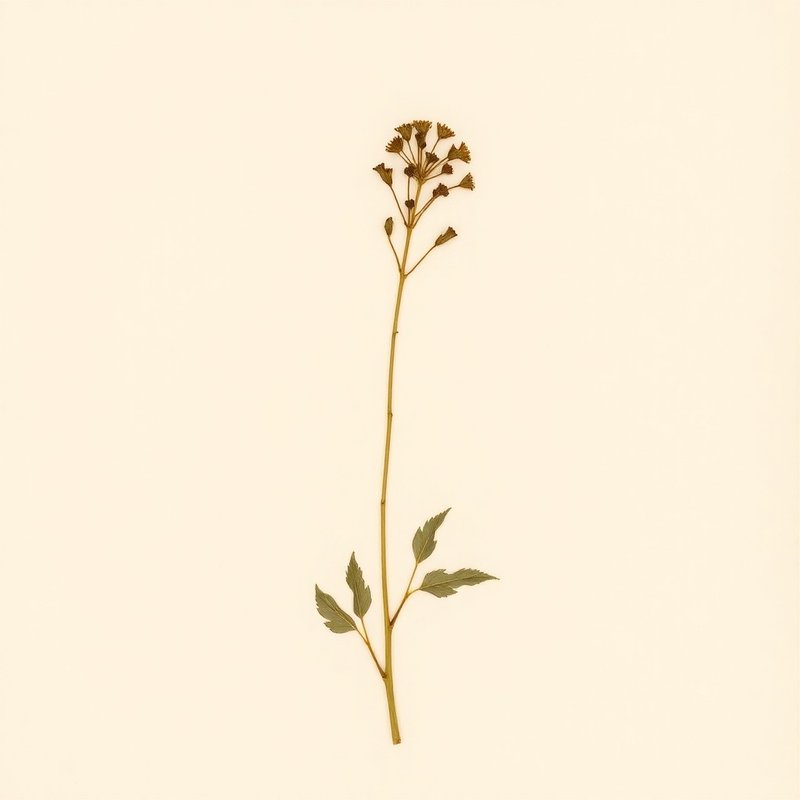
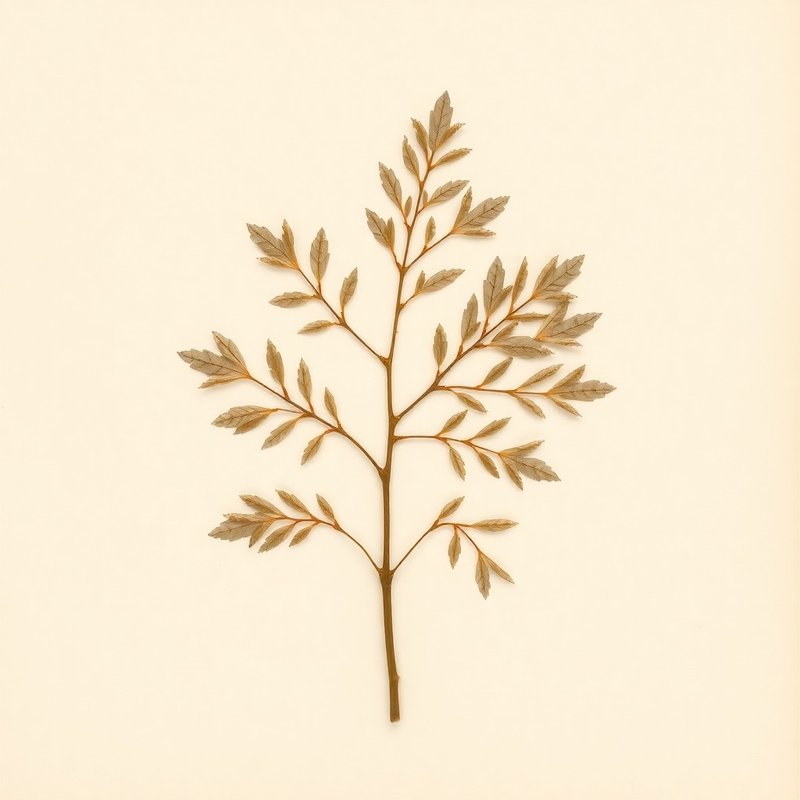
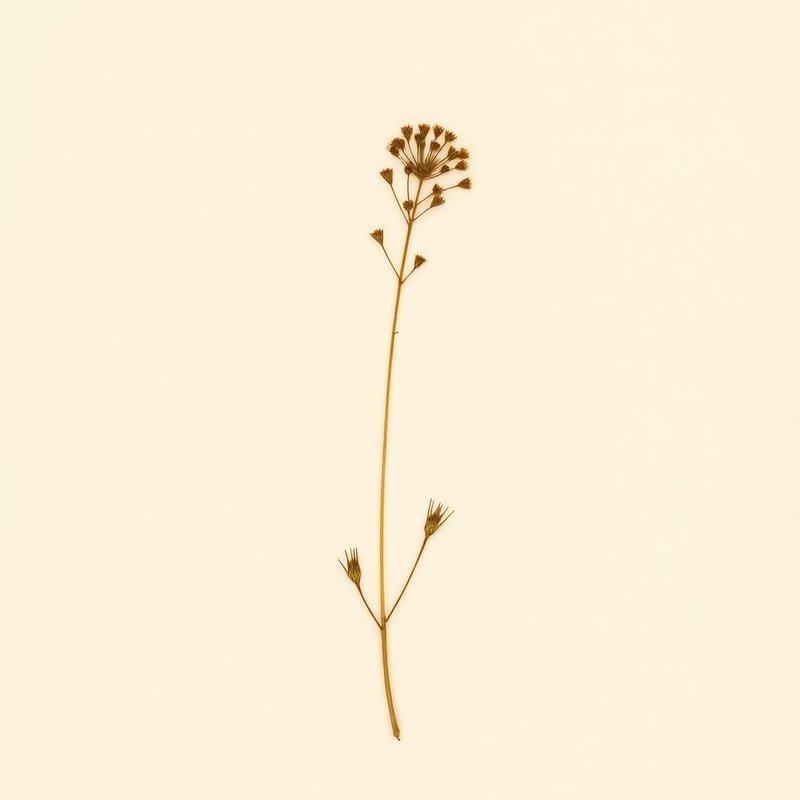
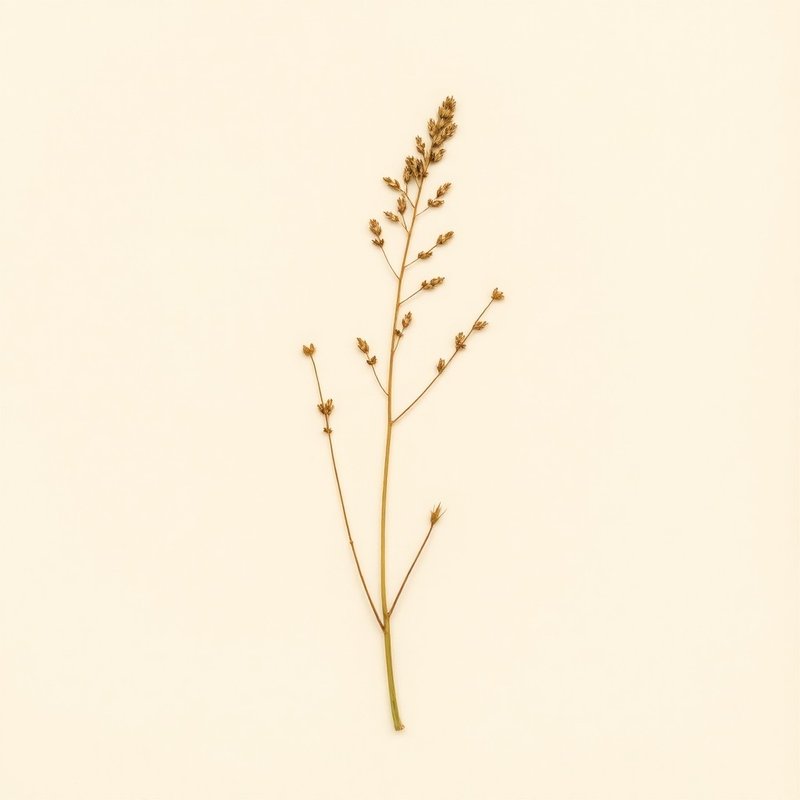
8 relatedPlants you might compare or use together — scored by shared family, common use cases, and growing requirements.
shared use cases
Different families, similar therapeutic role — good for comparing.
XI
Explore further
Companion planting
Health goals
Compare with similar plants
Growing zone
XII
About this entry
- Last updated
- Citation
- How to cite this entry · Submit a correction
Back to the cataloguePlant id · 23846fab-4f96-4468-a5a8-1f5c0d95c03d
Decision aid
Choosing between Creeping Bramble and something else?
Continue reading
❦❦❦❦
Endpaper · archive updates
Primește digest-ul săptămânal
Un email curat pe săptămână — profile noi de plante, note sezoniere de cultivare, adăugiri în arhiva de remedii. Gratuit, fără tracking, dezabonare oricând.