
Fiddle Dock
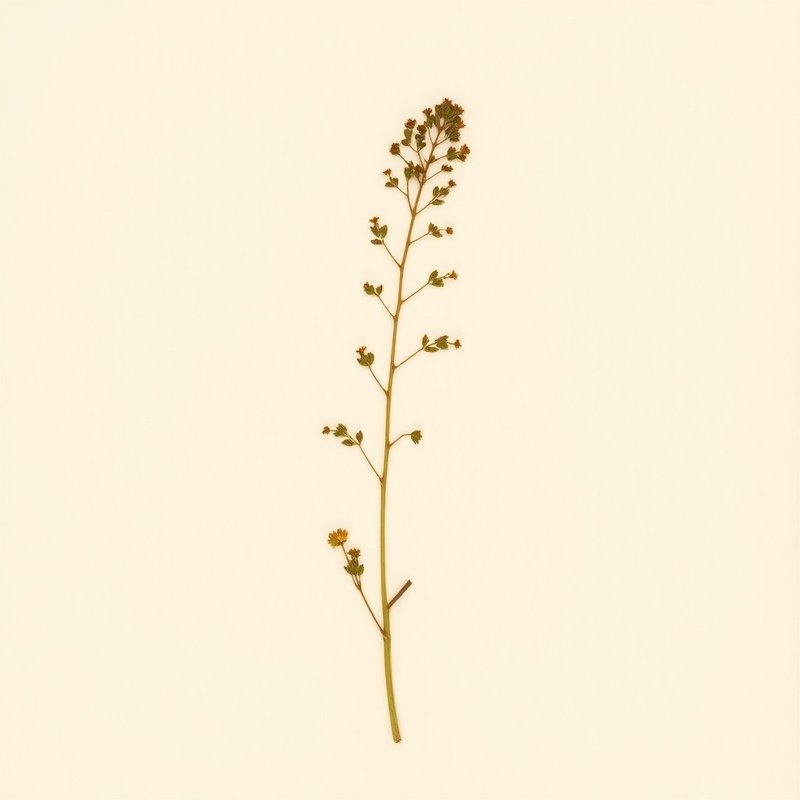
IPrezentare
Prezentare
Rumex pulcher, cunoscut sub numele de fiddle dock, este o herbară perenă nativă în regiuni precum Albania, Algerie și țările europene din Austria, Bulgaria și Grecia. Înflorșează în sucuri de pământ cu pH între 7-7,5, fiind adaptabil dar preferând condițiile umide. Cunoscut pentru frunzele sale comestibile, acest plant poate crește până la o înălțime de jumătate de metru. Rangul nativ se extinde peste Africa de Nord, Orientul Mijlociu și unele țări europene, evidențiind rezistența sa în diverse habitaturi. Un caracter distinctiv este aspectul său luminos și aerat, contribuind la valoarea ornamentală sa în timp ce oferă o sursă de alimentare importantă.
What is Fiddle Dock?
Rumex pulcher, cunoscut sub numele de fiddle dock, este o herbară perenă nativă în regiuni precum Albania, Algerie și țările europene din Austria, Bulgaria și Grecia. Înflorșează în sucuri de pământ cu pH între 7-7,5, fiind adaptabil dar preferând condițiile umide.
What is Fiddle Dock used for?
Traditionally used for digestion, immune support. Each claim is evidence-rated — see Section II for full citations.
IIBeneficii și dovezi
2 claims · traditional-use context
Beneficii și dovezi
2 claims · traditional-use context- Fiddle Dock has been traditionally used in European herbal medicine for digestive issues, such as indigestion and stomach discomfort. A decoction of the leaves is often recommended to soothe the gastrointestinal tract.
The mechanism by which Fiddle Dock supports digestion is not fully characterised but may involve compounds that have astringent or anti-inflammatory properties.
▲ ModerateDigestion → - Fiddle Dock has been traditionally used in herbal medicine to support the immune system. A tea made from its leaves is often consumed during cold and flu season.
The mechanism by which Fiddle Dock supports immunity is not fully characterised but may involve compounds with antioxidant or anti-inflammatory properties.
▲ ModerateImmune support →
IV·bMixology suggestions
1 draft
Mixology suggestions
1 draftVCultivare
Cultivare
How to grow Fiddle Dock for the first time
Start with Fiddle Dock as a simple, low-maintenance perennial for your garden.
- 1
What you'll need
A packet of Fiddle Dock seeds or young plants, a trowel, and some compost.
- 2
Best time to plant
Plant in early spring or late summer when the soil is moist but not waterlogged.
- 3
Soil and container prep
Choose a spot with well-draining soil that's slightly acidic to neutral. Amend the soil with compost if needed.
- 4
Sowing or transplanting
Direct sow seeds 1 cm deep, about 30 cm apart. Transplant young plants in early spring.
- 5
First two weeks
Water regularly to keep the soil moist but not soggy. Keep an eye out for pests and diseases.
- 6
Ongoing care
Fiddle Dock prefers light shade, especially during hot afternoons. Water when the top inch of soil feels dry.
- 7
Harvest or pruning
Prune back any dead foliage to encourage new growth and maintain a neat appearance.
- 8
Common mistakes
Overwatering, planting in heavy clay soils, neglecting to prune, and not providing enough light.
VIEdible & utility
Edible & utility
VIIDistribuție
42 native · 48 introduced
Distribuție
42 native · 48 introducedIXSpecimen gallery
1 image
Specimen gallery
1 imageXSee also
8 related
See also
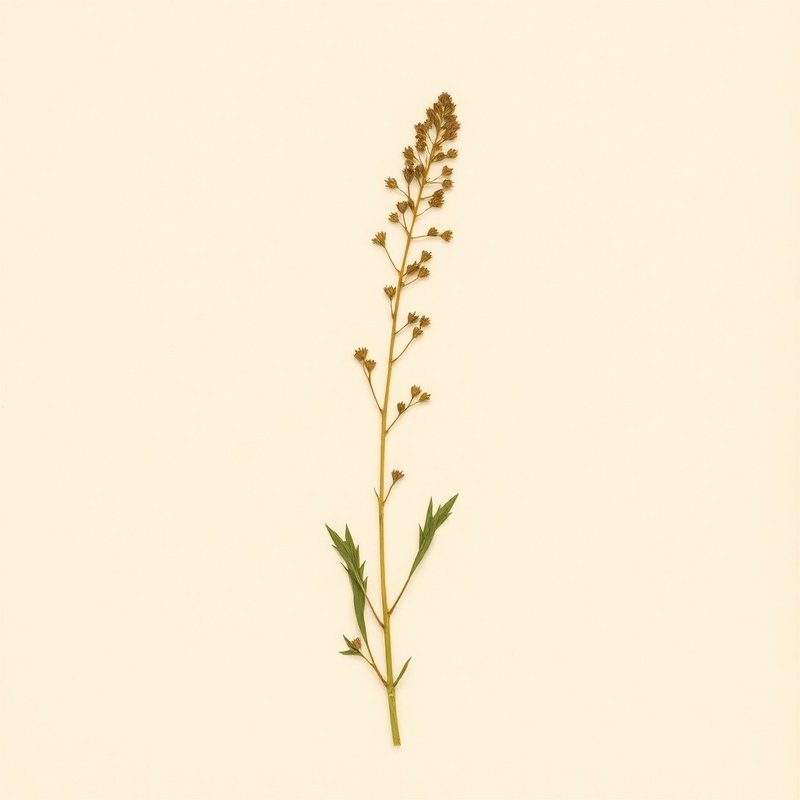
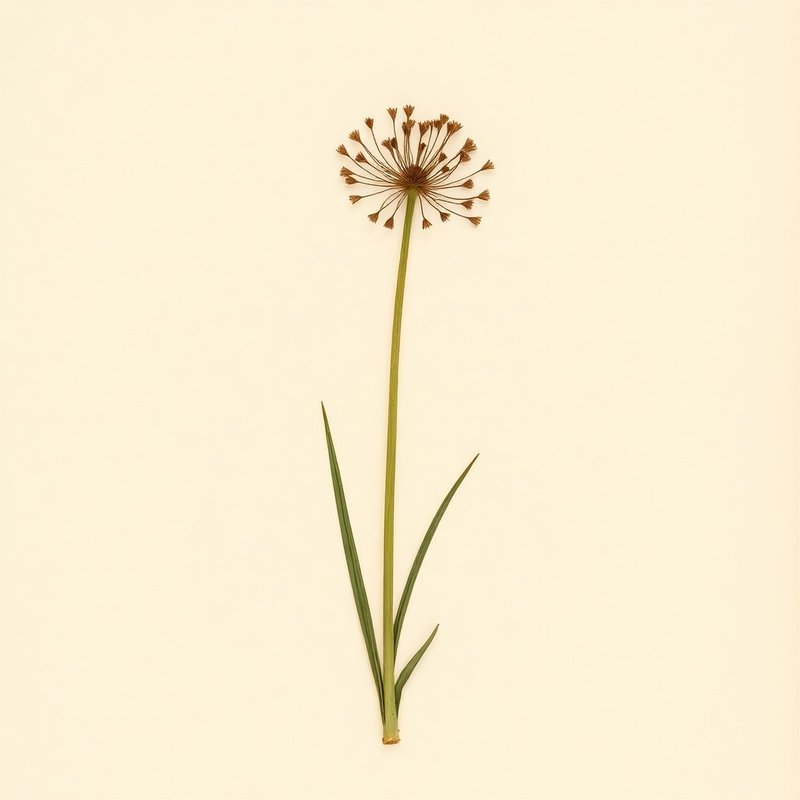
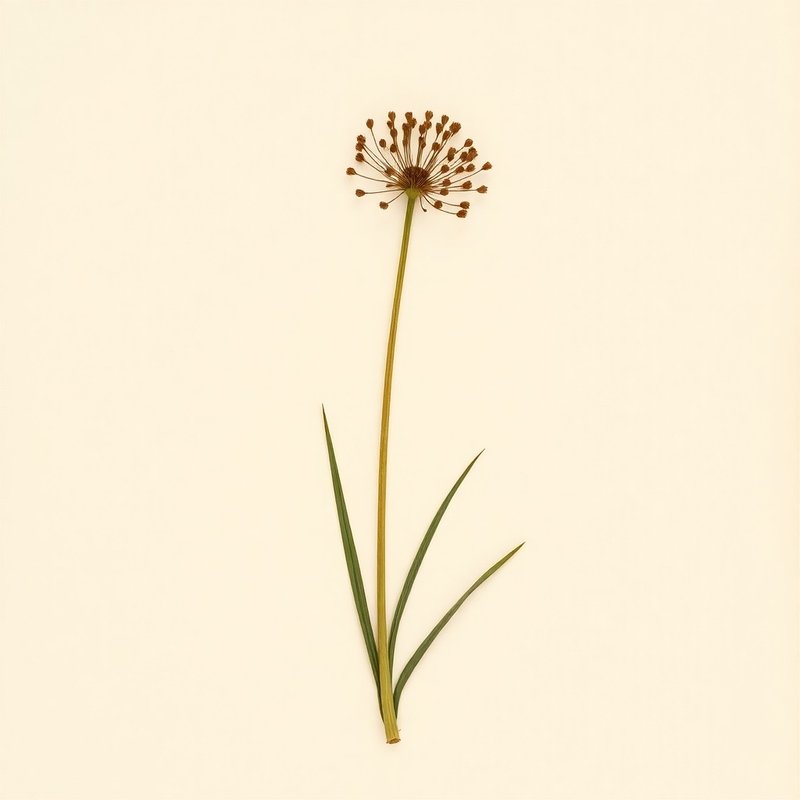
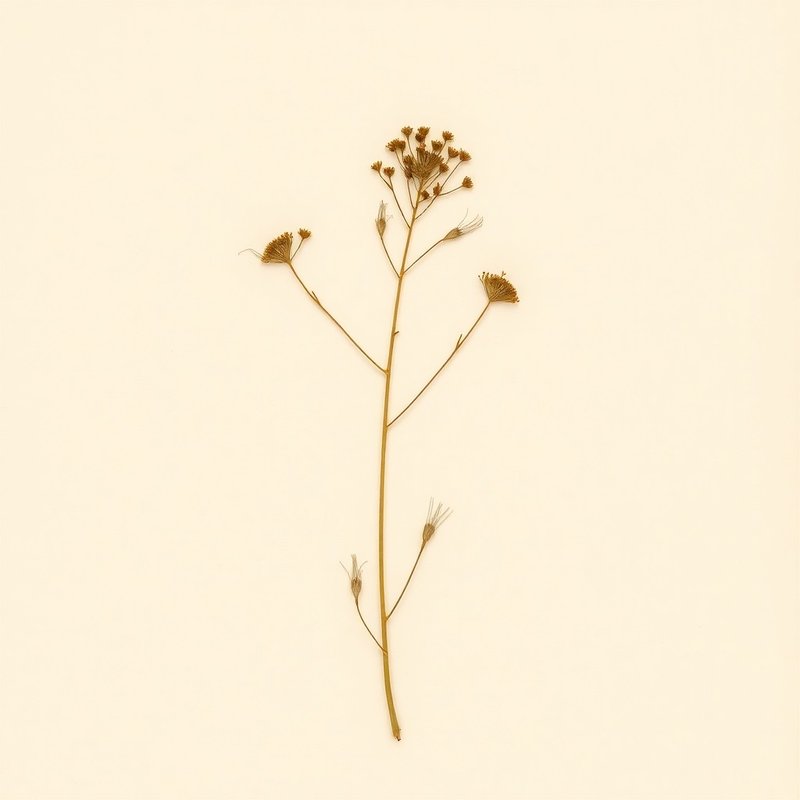
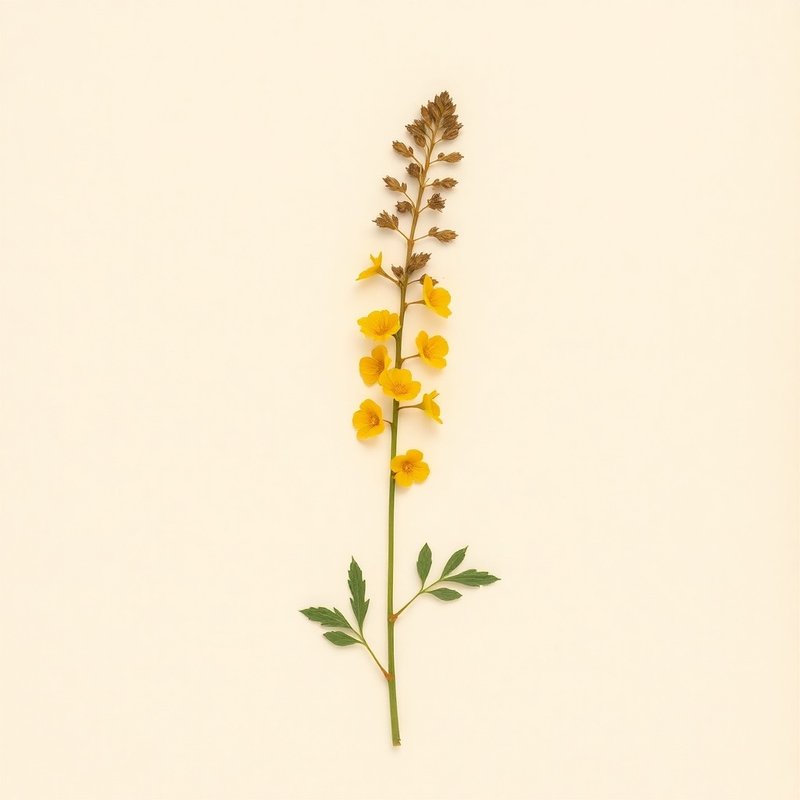
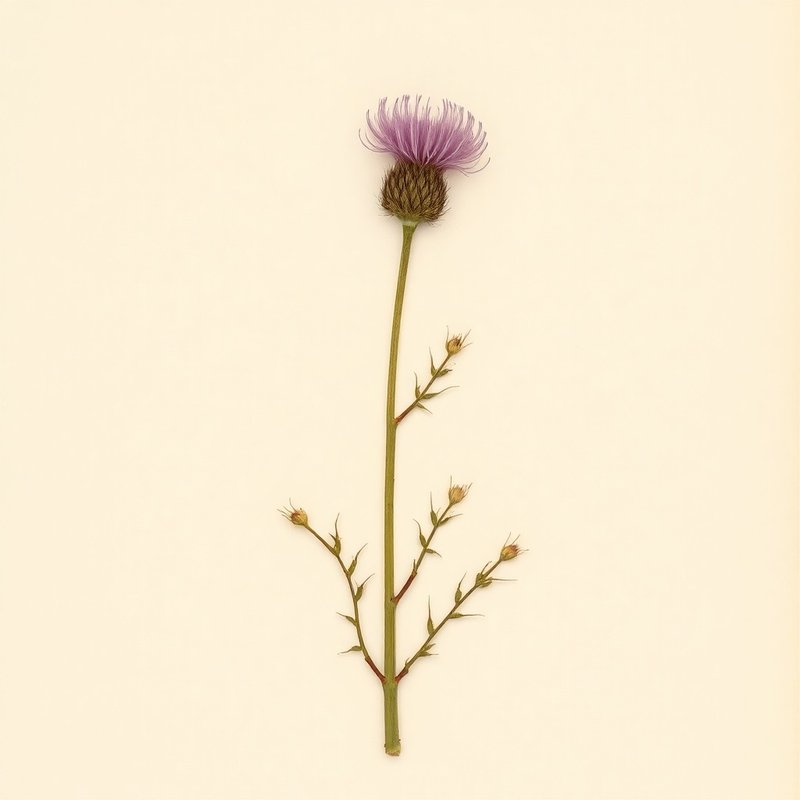
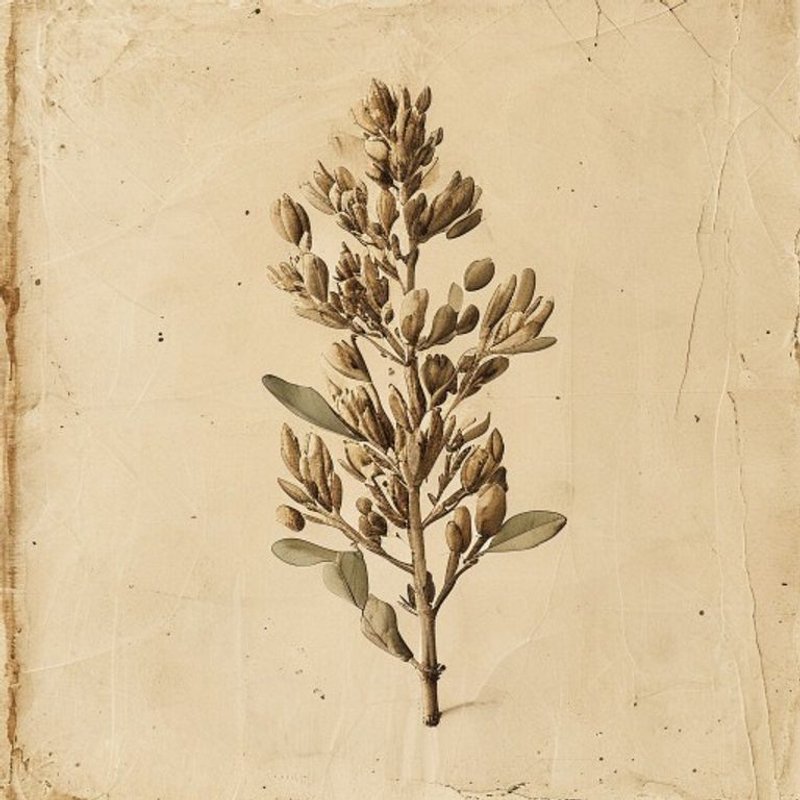
8 relatedPlants you might compare or use together — scored by shared family, common use cases, and growing requirements.

Explore further
About this entry
- Last updated
- Citation
- How to cite this entry · Submit a correction
Continue reading
Primește digest-ul săptămânal
Un email curat pe săptămână — profile noi de plante, note sezoniere de cultivare, adăugiri în arhiva de remedii. Gratuit, fără tracking, dezabonare oricând.