
West Australian Sandalwood
Santalum spicatumfam. Myrtaceae
Educational content — not medical, botanical, or professional advice. Always consult a qualified clinician before using any herbal preparation — especially during pregnancy, breastfeeding, while on medication, or for children. How we source & review →
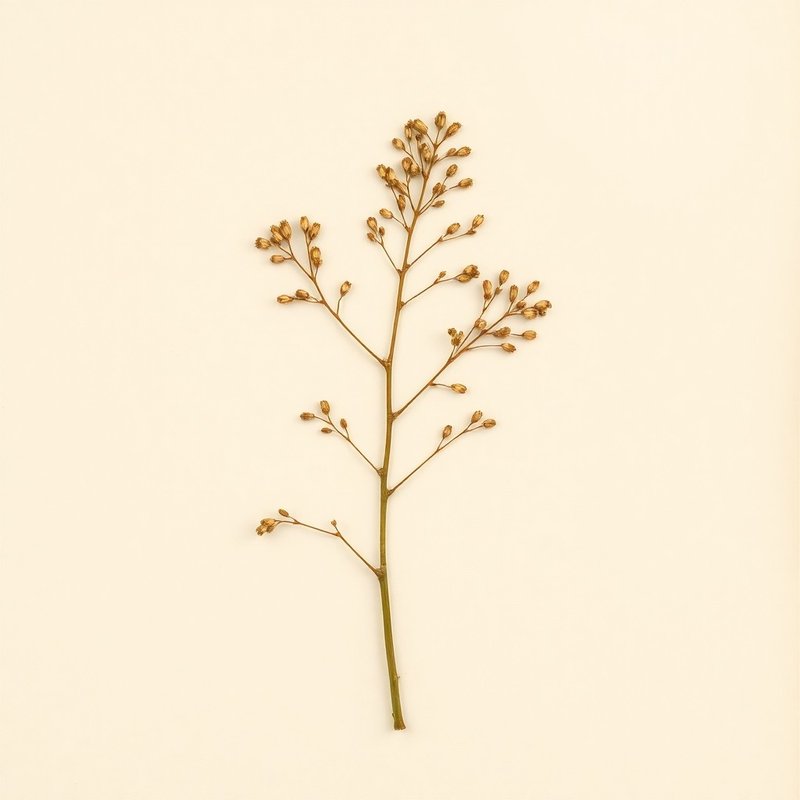
Pl. E40D — Santalum spicatum
Santalum spicatumSantalum spicatumSantalum spicatumSantalum spicatumSantalum spicatumSantalum spicatumSantalum spicatumSantalum spicatumSantalum spicatumSantalum spicatumSantalum spicatumSantalum spicatumSantalum spicatumSantalum spicatum
IPrezentare
Prezentare
Sandalul din Australia de Vest (Santalum spicatum), o arbore nativ găsit în zonele aride și semiaride ale Sudului Australiei și Occidentalei Australiene, este cunoscut pentru puiu de ulei precios care a fost valorificat pe mii de ani. Această plantă se dezvolte în lumină plină sau parțială cu condiții seci și poate crește până la 4 metri în înălțime. Adaptabilitatea sa la diverse tipuri de sol - de la soluri ușoare (sândui) până la soluri grele (argilă) - o face o specie rezistentă în habitatul său nativ. Părțiile mănâncabile ale Sandalului din Australia de Vest includ fructe și poduri, adăugând un dimensiune culinar unică valorii sale.
Quick answers
What is West Australian Sandalwood?
Sandalul din Australia de Vest (Santalum spicatum), o arbore nativ găsit în zonele aride și semiaride ale Sudului Australiei și Occidentalei Australiene, este cunoscut pentru puiu de ulei precios care a fost valorificat pe mii de ani.
What is West Australian Sandalwood used for?
Traditionally used for immune support, topical & skin. Each claim is evidence-rated — see Section II for full citations.
Best for
Top 2 evidence-ranked uses of West Australian Sandalwood
Clinicaluses · safety · chemistry · dosagemedicinal profile
IIBeneficii și dovezi
2 claims · 0 sources
Beneficii și dovezi
2 claims · 0 sources- West Australian Sandalwood has been traditionally used in Indigenous Australian medicine to support immune health, often prepared as a decoction. Its use is based on the plant's antimicrobial properties.
The mechanism involves compounds such as santalols and other terpenoids which exhibit antibacterial and antifungal activities, though specific pathways are not fully characterised.
- West Australian Sandalwood is traditionally used in skincare for its soothing and moisturising properties, often applied topically as an oil or cream.
The plant contains santalols which have anti-inflammatory effects and help maintain skin hydration. However, the exact mechanism of action is not fully characterised.
IV·bMixology suggestions
1 draft
Mixology suggestions
1 draftEditorial drafts. These pairings are AI-suggested from traditional herbal lore. Always verify with a qualified herbalist before brewing.
West Australian Sandalwood support blend
generaltea
AI returned a direct ingredient list; normalized into one draft blend for editorial review.
Growingconditions · propagation · uses
VCultivare
Cultivare
Sandalul din Australia de Vest se dezvolte în lumină plină sau parțială și preferă soluri bine aeriate care pot fi ușoare (sândui), medii sau grele (argilă). Este tolerabil la lipsa de apă, necesitând o cantitate minima de apă uneori în funcție de stabilizarea. Plantul crește până la 4 metri în înălțime și este rezistent în zonele temperate cu un rang de zonă între 10-12. Pentru propagare, semințele din fructe sunt viabile. Colți părți mănâncabile precum fructele și podurile când sunt maturi.
Light
Full sun, Partial sun/shade
Water
Dry
Soil
Light (sandy), Medium, Heavy (clay)
Hardiness
10-12
Mature size
4.0 m tall
For first-time growers
How to grow West Australian Sandalwood for the first time
8steps
Start with planting West Australian Sandalwood in a sunny spot and follow these beginner-friendly steps.
- 1
What you'll need
Seeds or seedlings, potting mix suitable for sandy soils, watering can.
- 2
Best time to plant
Plant seeds or transplant young plants in spring when the soil is warm and moist.
- 3
Soil and container prep
Use a well-draining potting mix that suits light to medium soil types. Ensure containers have drainage holes.
- 4
Sowing or transplanting
Direct sow seeds in the ground or start them indoors 6-8 weeks before planting outside. Transplant seedlings when they are about 10 cm tall.
- 5
First two weeks
Water regularly to keep soil moist but not waterlogged. Place in a partially shaded area if full sun is too harsh.
- 6
Ongoing care
Provide full sun once established, though partial shade can be tolerated. Water sparingly as it prefers dry conditions. Prune lightly to maintain shape.
- 7
Harvest or pruning
Prune in late winter to early spring to encourage new growth and maintain the plant's size. Harvest fruit when ripe for culinary use.
- 8
Common mistakes
Overwatering, planting in heavy clay soils, not providing enough sunlight, neglecting to prune, using inappropriate fertilizers.
VIEdible & utility
Edible & utility
Edible parts:FruitSeedpod
Edible uses: Oil
Other uses:CosmeticEssential OilFire starterFragranceoilSoap makingSoil conditioner
Contextrange · companions · related
VIIDistribuție
2 native · 0 introduced
Distribuție
2 native · 0 introducedDistribution across0 continents· 2 native
Broader regions
native:South Australia, Western Australia
IXSpecimen gallery
1 image
Specimen gallery
1 imageXSee also
8 related
See also
8 relatedPlants you might compare or use together — scored by shared family (Myrtaceae), common use cases, and growing requirements.
same family · Myrtaceae
Botanical relatives — often share phytochemistry + growing needs.
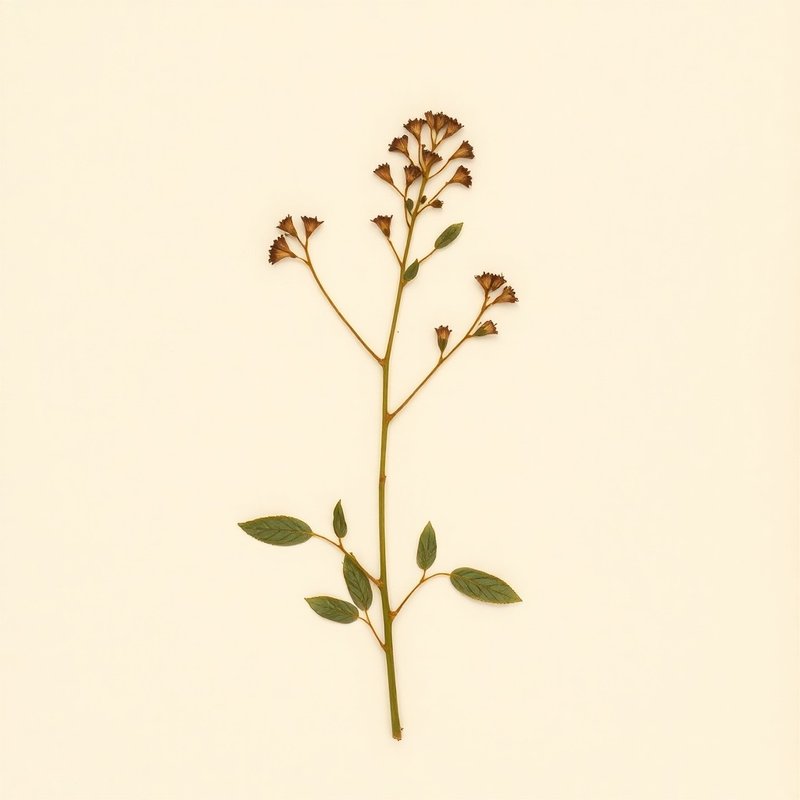
shared use cases
Different families, similar therapeutic role — good for comparing.
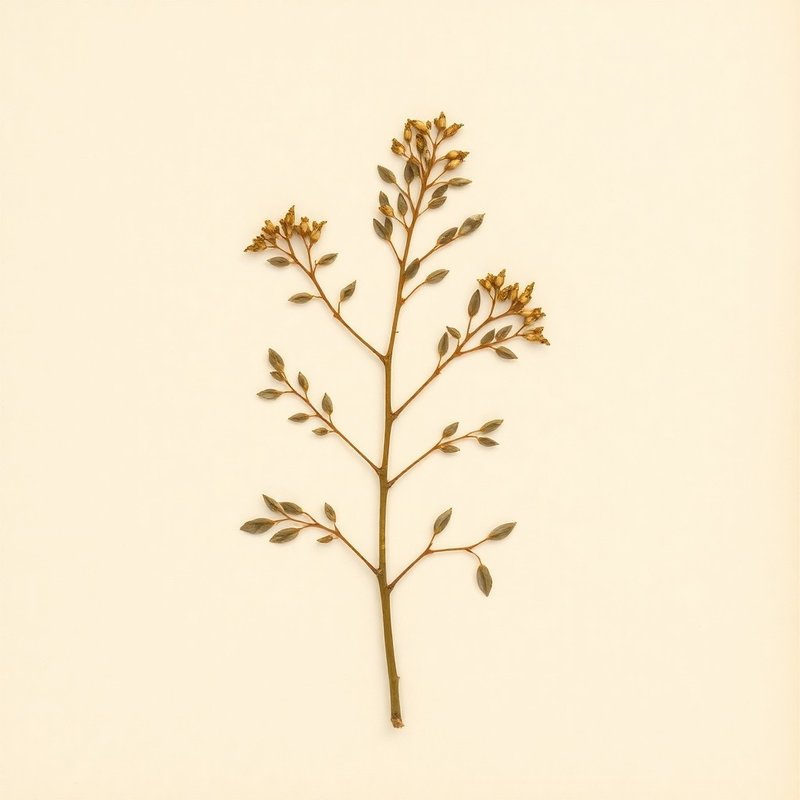

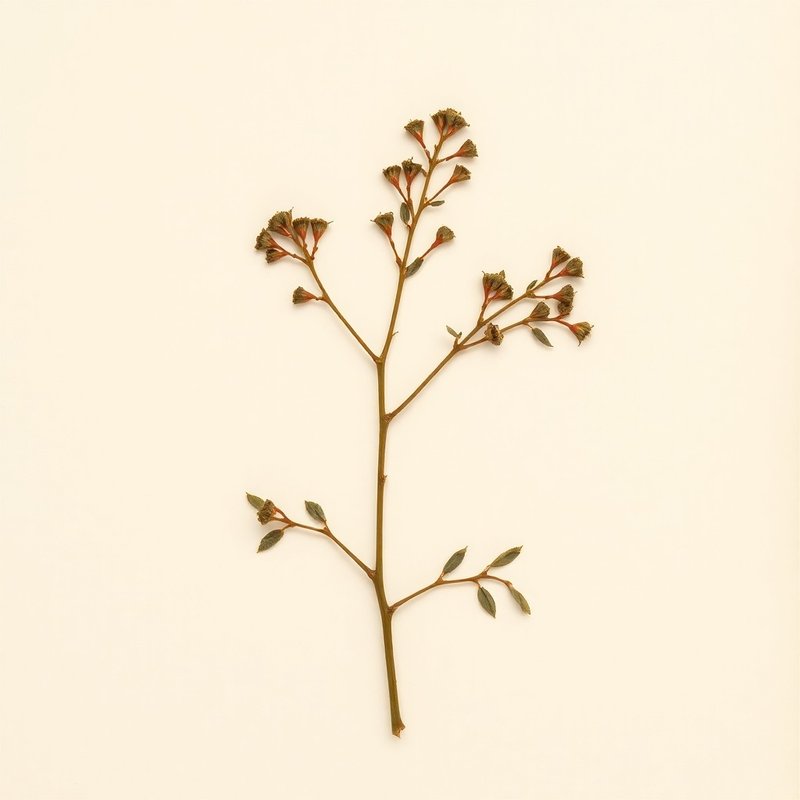
XI
Explore further
Companion planting
Health goals
Compare with similar plants
Growing zone
XII
About this entry
- Last updated
- Citation
- How to cite this entry · Submit a correction
Back to the cataloguePlant id · e40d04e8-5295-4efe-89a1-b4c05636c3c2
Decision aid
Choosing between West Australian Sandalwood and something else?
Continue reading
❦❦❦❦
Endpaper · archive updates
Primește digest-ul săptămânal
Un email curat pe săptămână — profile noi de plante, note sezoniere de cultivare, adăugiri în arhiva de remedii. Gratuit, fără tracking, dezabonare oricând.