
Solanum muricatum
IPrezentare
Prezentare
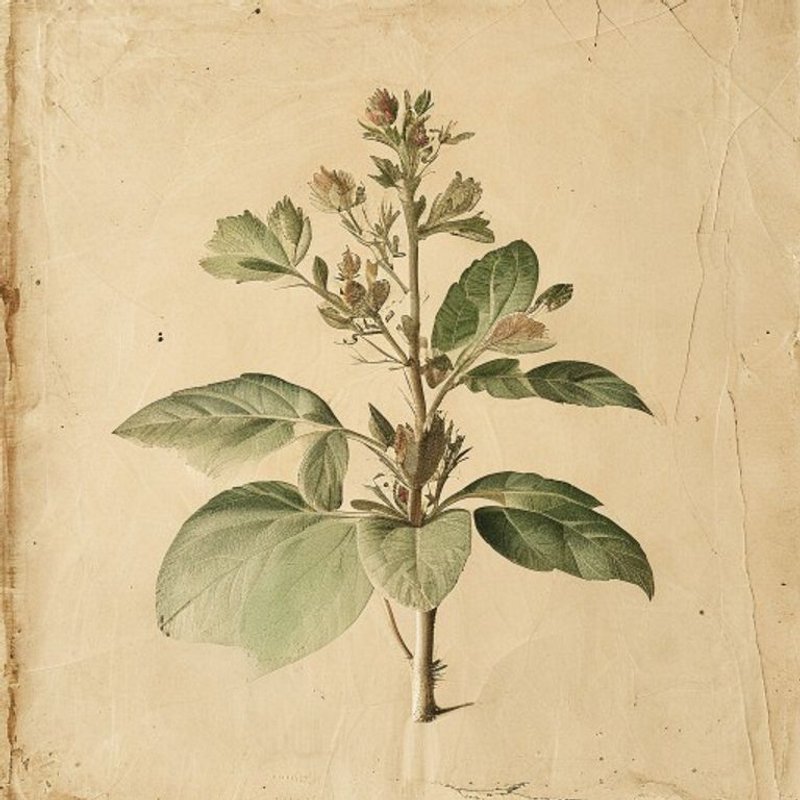
Solanum muricatum, cunoscut sub numele de tomată arborească sau negustor cu păruri, este un membru al familiei Solanaceae și este originar din Colombia, Ecuador și Peru. Această plantă se dezvoltă în zonă plină de soare și preferă sustrat umed, pierderi bine de asemeni, care poate fi ușor (sândal), mediu sau greu (argila). Este durabil în zonele 8-11 și crește la o înălțime de aproximativ 1 metru. Toama arborească este cunoscută pentru fructele sale alimentare, mici și rotunde, care se asemează cu tomatele mici și au un gust tartar. Un caracter distinctiv al acestei plante este stemurile și lângările sale spinosoase, făcându-le impresive și ușor intimidante de manipulat.
What is Solanum muricatum?
Solanum muricatum, cunoscut sub numele de tomată arborească sau negustor cu păruri, este un membru al familiei Solanaceae și este originar din Colombia, Ecuador și Peru.
What is Solanum muricatum used for?
Traditionally used for topical & skin, digestion. Each claim is evidence-rated — see Section II for full citations.
IIBeneficii și dovezi
2 claims · traditional-use context
Beneficii și dovezi
2 claims · traditional-use context- Solanum muricatum has been traditionally used in South American herbal medicine for topical applications to support skin health. Its fruit is often applied directly to the skin to help with minor irritations and blemishes.
The mechanism by which Solanum muricatum supports skin health is not fully characterised but it likely involves its antioxidant properties, which can help protect against oxidative stress and inflammation in the skin.
▲ ModerateTopical & skin → - Solanum muricatum, commonly known as the pepino dulce, has been traditionally used in South American herbal medicine to support digestive health. Its consumption may help alleviate minor gastrointestinal discomfort.
The mechanism by which Solanum muricatum supports digestion is not fully characterised but it likely involves its phytochemical profile including antioxidants and flavonoids that can soothe the gut lining.
▲ ModerateDigestion →
IV·bMixology suggestions
1 draft
Mixology suggestions
1 draftVCultivare
Cultivare
How to grow Solanum muricatum for the first time
Start with a simple, sunny spot and basic care for your Solanum muricatum.
- 1
What you'll need
Seeds or seedlings, potting mix, containers or garden space.
- 2
Best time to plant
Plant in spring after the last frost when temperatures are consistently above 15°C (60°F).
- 3
Soil and container prep
Use well-draining soil with a mix of light, medium, or heavy texture. Ensure containers have drainage holes.
- 4
Sowing or transplanting
Start seeds indoors 4-6 weeks before the last frost or directly sow in warm weather. Transplant seedlings outdoors after danger of frost passes.
- 5
First two weeks
Water regularly to keep soil moist but not waterlogged, and provide partial shade if direct sun is too intense.
- 6
Ongoing care
Water deeply once a week, depending on weather. Fertilize every 4-6 weeks with a balanced organic fertilizer. Prune to remove dead or diseased branches as needed.
- 7
Harvest or pruning
Prune regularly to encourage bushy growth and remove any dead or damaged parts. Harvest fruit when they are fully colored but still firm.
- 8
Common mistakes
Overwatering, planting in heavy clay soil without drainage, not providing enough support for the plant's weight, neglecting regular pruning, and exposing to frost before hardening off.
VIEdible & utility
Edible & utility
VIIDistribuție
3 native · 0 introduced
Distribuție
3 native · 0 introducedIXSpecimen gallery
1 image
Specimen gallery
1 imageXSee also
8 related
See also
8 relatedPlants you might compare or use together — scored by shared family, common use cases, and growing requirements.
Explore further
About this entry
- Last updated
- Citation
- How to cite this entry · Submit a correction
Continue reading
Primește digest-ul săptămânal
Un email curat pe săptămână — profile noi de plante, note sezoniere de cultivare, adăugiri în arhiva de remedii. Gratuit, fără tracking, dezabonare oricând.