
Grouseberry
IPrezentare
Prezentare
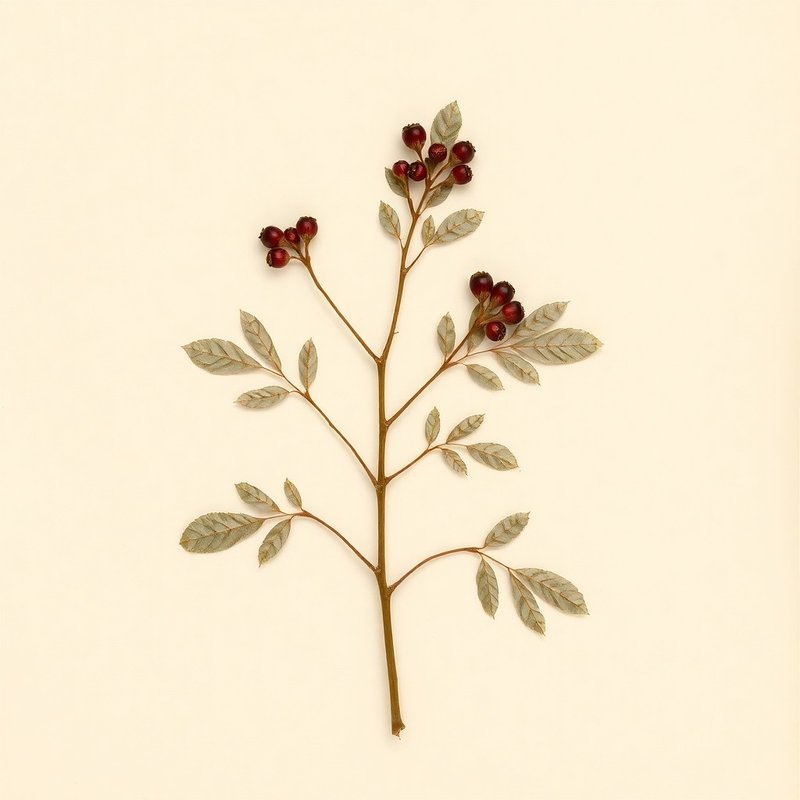
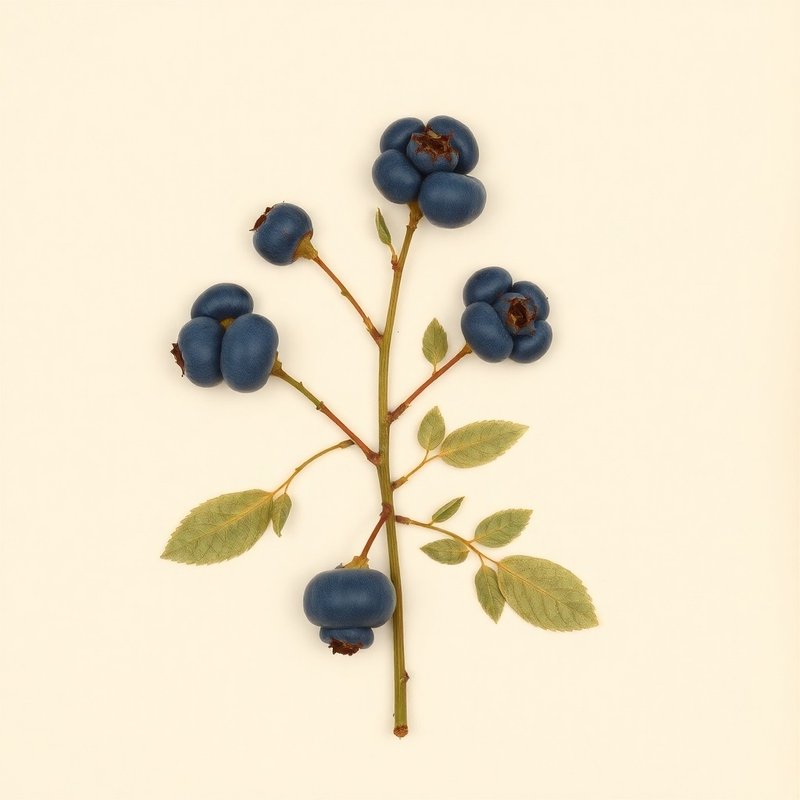
Grouseberry (Vaccinium scoparium) este un subarbore sau arborecicluș de dimensiuni mici nativ din vestul și nord-vestul Statelor Unite și sud-vestul Canadă, găsit de la Alberta până în California și spre est până la Dakota de Sud. Această plantă se dezvoltă în sustrat umed, luminos (sând) sau mediu cu un pH între 5 și 7, fiind adaptabilă dar preferând condiții de drenaj bun. Cunoscut pentru fructele sale comestibile, Grouseberry poate fi găsit în mediul de soare plin până la o parțial umbrat. Caracteristică distinctivă a acestui plant este fructele sale mici și întunecate care se matură în timpul sumii târzie, oferind un surse ușoară de nutriție pentru viața selvatică, cum ar fi grousele și alte pieptene.
What is Grouseberry?
Grouseberry (Vaccinium scoparium) este un subarbore sau arborecicluș de dimensiuni mici nativ din vestul și nord-vestul Statelor Unite și sud-vestul Canadă, găsit de la Alberta până în California și spre est până la Dakota de Sud.
What is Grouseberry used for?
Traditionally used for immune support. Each claim is evidence-rated — see Section II for full citations.
IIBeneficii și dovezi
1 claim · traditional-use context
Beneficii și dovezi
1 claim · traditional-use context- Grouseberry, like other Vaccinium species, has been traditionally used in North American herbalism to support immune health. Its fruit may help maintain a healthy immune response when consumed regularly.
The berries contain antioxidants such as anthocyanins and flavonoids which can modulate the immune system by reducing oxidative stress and inflammation.
▲ ModerateImmune support →
IV·bMixology suggestions
1 draft
Mixology suggestions
1 draftVCultivare
Cultivare
How to grow Grouseberry for the first time
Start with a simple, low-maintenance shrub that thrives in various conditions.
- 1
What you'll need
Grouseberry plants or seeds, garden tools like trowels and pruners.
- 2
Best time to plant
Plant Grouseberries in early spring or late fall when temperatures are mild.
- 3
Soil and container prep
Ensure the soil is well-draining with a pH between 5 and 7. Amend as needed.
- 4
Sowing or transplanting
Transplant young plants or sow seeds directly in the garden after danger of frost has passed.
- 5
First two weeks
Water regularly to keep soil moist but not waterlogged. Monitor for pests and diseases.
- 6
Ongoing care
Provide partial sun, regular watering, and light pruning to maintain shape.
- 7
Harvest or pruning
Prune in late winter before new growth starts to encourage fruiting and maintain size.
- 8
Common mistakes
Overwatering, planting in heavy soil, neglecting pruning, not providing enough sunlight, using incorrect pH for the soil.
VIEdible & utility
Edible & utility
VIIDistribuție
13 native · 0 introduced
Distribuție
13 native · 0 introducedIXSpecimen gallery
1 image
Specimen gallery
1 imageXSee also
8 related
See also
8 relatedPlants you might compare or use together — scored by shared family, common use cases, and growing requirements.

Explore further
About this entry
- Last updated
- Citation
- How to cite this entry · Submit a correction
Continue reading
Primește digest-ul săptămânal
Un email curat pe săptămână — profile noi de plante, note sezoniere de cultivare, adăugiri în arhiva de remedii. Gratuit, fără tracking, dezabonare oricând.