
Edible for food + foraging
6Plants with edible parts documented in Ecuador. Always identify positively before harvest.
Medicinal traditional + clinical
1Species with documented medicinal applications. See individual plant profiles for evidence + safety.
Introduced naturalized + cultivated
6Non-native species established in Ecuador. Some are valuable; some are invasive. Check each plant's notes.
Frequently asked
How many plants are documented in Ecuador?
6 speciess — 0 native and 6 introduced. Of these, 6 are edible and 1 have medicinal uses.
What edible plants grow wild in Ecuador?
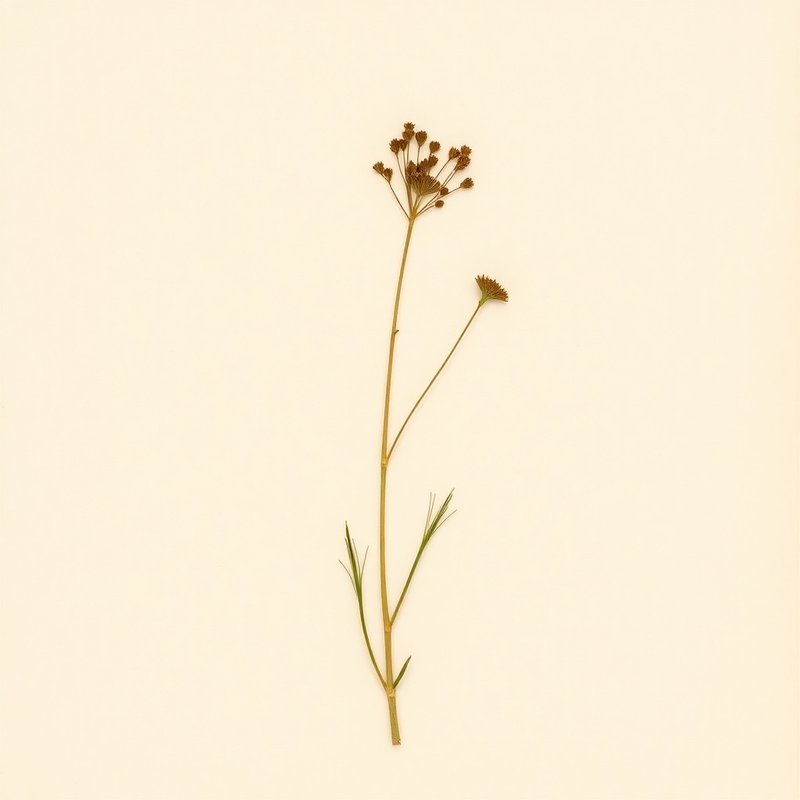
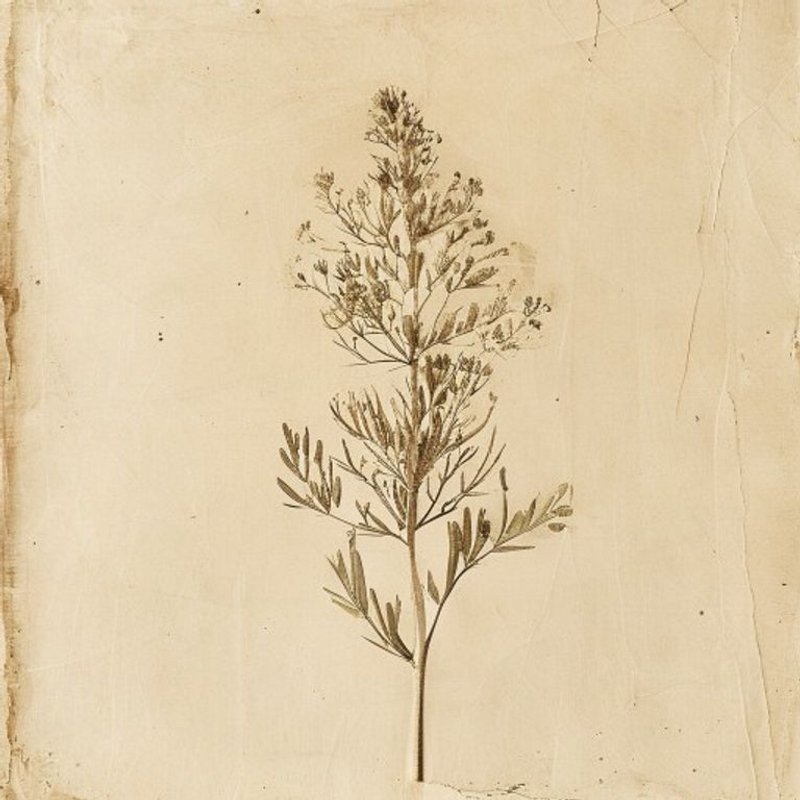
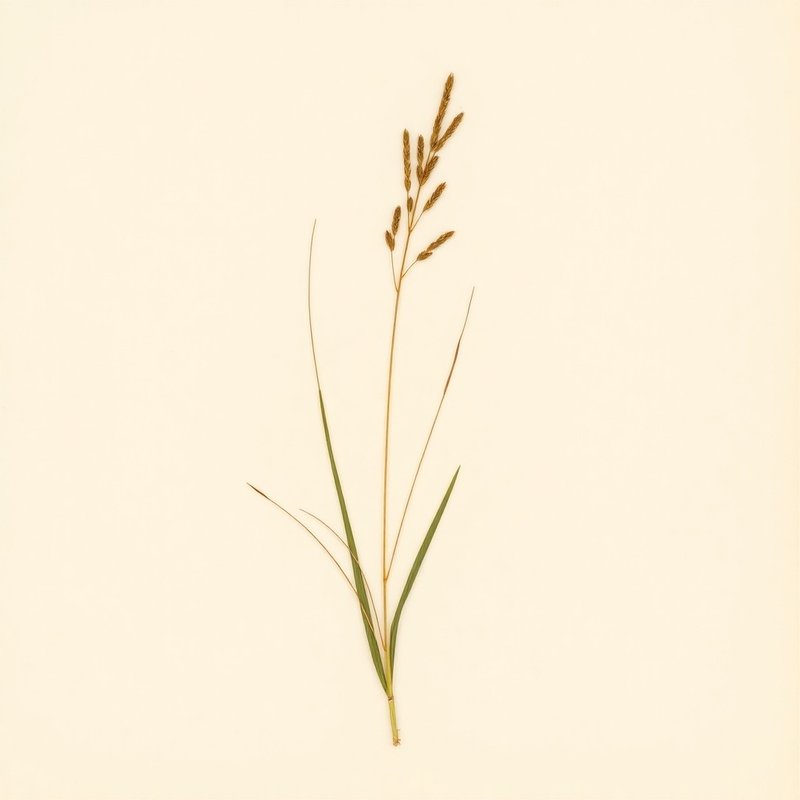
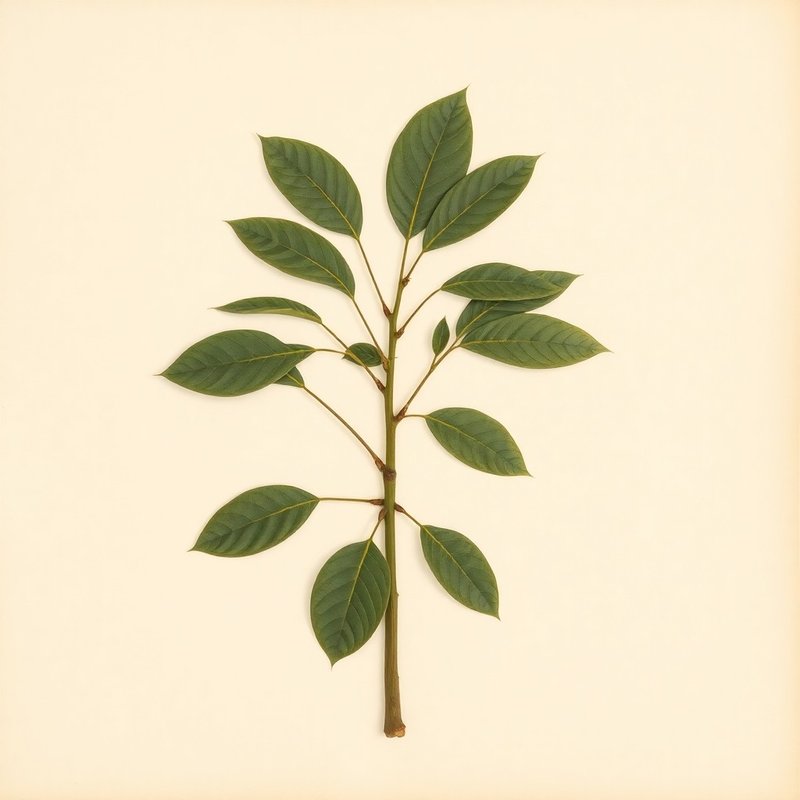
Common edible species include Radish, Ringworm Bush, River Club-Rush, Rubber Plant India Rubber Tree, Soft Rush. See the Edible section above for the full list.
What medicinal plants grow in Ecuador?
1 medicinal plant catalogued for Ecuador, including Radish.
How is "native" vs "introduced" determined?
Status comes from TDWG botanical regions via Trefle. Native = naturally occurring there; introduced = brought in by humans, sometimes invasive. Both can be useful, but native species are typically the best fit for local conditions.
Other americas
Get archive updates
Occasional email when substantial new content lands — plant profiles, seasonal growing notes, folk-remedy additions. Free, no tracking, unsubscribe anytime.