
Tassel Flower
Emilia coccinea
Educational content — not medical, botanical, or professional advice. Plant identification, safety, and edibility depend on local conditions, cultivars, and correct identification. Consult a qualified botanist or forager before consuming or handling wild specimens. How we source & review →
Garden journal pausedUse profile notes below
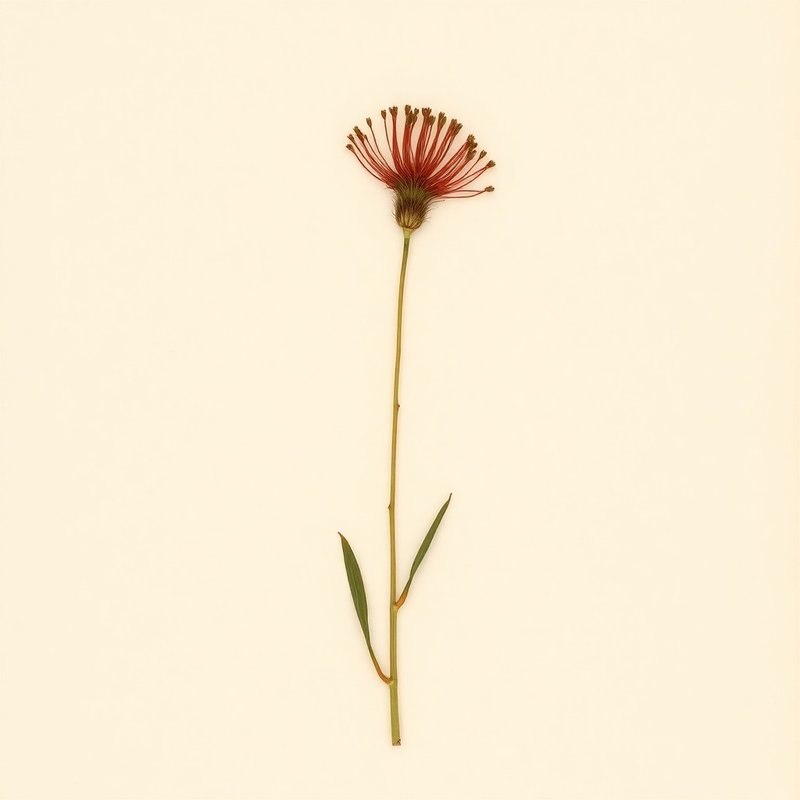
Pl. 2379 — Emilia coccinea
Emilia coccineaEmilia coccineaEmilia coccineaEmilia coccineaEmilia coccineaEmilia coccineaEmilia coccineaEmilia coccineaEmilia coccineaEmilia coccineaEmilia coccineaEmilia coccineaEmilia coccineaEmilia coccinea
IOverview
Overview
Tassel Flower, scientifically known as Emilia coccinea and belonging to the Asteraceae or Compositae family, is an annual forb or herb that thrives across a wide range of environments from Africa and Asia to the Americas. Native to regions including Angola, Argentina Northeast, Assam, Bahamas, Bangladesh, Belize, Benin, Bolivia, and many others, this adaptable plant has established itself in diverse habitats. It prefers full sun and can grow in various soil types, ranging from light (sandy) to heavy (clay), withstanding both dry and moist conditions. The distinctive feature of Tassel Flower is its bright red inflorescences, which resemble tassels, giving it the common name. Its edible leaves are often used fresh or cooked in salads, soups, and stews for their mild flavor. The plant can reach a height of 0.6 meters and is hardy in zones 8-11. Tassel Flower has been introduced into additional regions such as Brazil Southeast, Cape Verde, Caroline Islands, and others, expanding its presence beyond its native range. In cultivation, Tassel Flower thrives when planted directly in the garden after all danger of frost has passed. It is a useful addition to gardens due to its ornamental value and culinary versatility, making it a valuable plant for both aesthetic and edible purposes.
Quick answers
What is Tassel Flower?
Tassel Flower, scientifically known as Emilia coccinea and belonging to the Asteraceae or Compositae family, is an annual forb or herb that thrives across a wide range of environments from Africa and Asia to the Americas.
Growingconditions · propagation · uses
VCultivation
Cultivation
Tassel Flower thrives in full sun and prefers well-draining soil that can be light (sandy), medium, or heavy (clay). It is drought-tolerant but will also grow in moist conditions. This annual plant reaches a height of 0.6 meters and is hardy in zones 8-11. Propagate by seed directly in the garden after all danger of frost has passed. The edible parts are its leaves, which can be used in various culinary applications.
Light
Full sun
Water
Dry, Moist
Soil
Light (sandy), Medium, Heavy (clay)
Hardiness
8-11
Life cycle
Annual
Habit
Forb/herb
Mature size
0.6 m tall
For first-time growers
How to grow Tassel Flower for the first time
8steps
Tassel Flower is a forgiving plant for beginners, making it an excellent choice for your first gardening project.
- 1
What you'll need
Seeds or seedlings, a small trowel, and a watering can.
- 2
Best time to plant
Plant in spring after the last frost when temperatures are consistently above 15°C (60°F).
- 3
Soil and container prep
Choose a well-draining soil mix. Ensure containers have drainage holes if planting in pots.
- 4
Sowing or transplanting
Direct sow seeds outdoors once the ground is warm, or start seedlings indoors 4-6 weeks before outdoor planting.
- 5
First two weeks
Water regularly to keep soil moist but not waterlogged. Avoid overwatering as it can lead to root rot.
- 6
Ongoing care
Provide full sun and regular watering, especially during dry spells. Fertilize lightly every few months.
- 7
Harvest or pruning
Prune spent flowers to encourage more blooms and maintain a neat appearance. Remove any yellowing leaves as needed.
- 8
Common mistakes
Overwatering, planting in heavy soil, and not providing enough sunlight are common pitfalls.
VIEdible & utility
Edible & utility
Edible parts:Leaves
Edible uses: The leaves of the Tassel Flower (Emilia coccinea) are edible and can be consumed fresh or cooked. They are often used in salads for their mild flavor or added to soups and stews to enhance the dish. Skip preparation details as specific methods were not provided in the data.
Contextrange · companions · related
VIIDistribution
102 native · 53 introduced
Distribution
102 native · 53 introducedDistribution across5 continents· 102 native· 53 introduced
Europe1 region
introduced (1)Portugal
Asia20 regions
native (16)BangladeshCambodiaChinaIndiaJapanLaosMyanmarNepalOmanPhilippinesSaudi ArabiaSri LankaTaiwanThailandVietnamYemen
introduced (4)GeorgiaMaldivesSouth KoreaTaiwan
Americas36 regions
native (21)BahamasBelizeBoliviaColombiaCosta RicaCubaDominican RepublicEcuadorEl SalvadorFrench GuianaGuatemalaGuyanaHaitiHondurasJamaicaNicaraguaParaguayPeruPuerto RicoSurinameVenezuela
introduced (15)BahamasColombiaCosta RicaCubaDominican RepublicEl SalvadorGuatemalaGuyanaHaitiHondurasJamaicaPuerto RicoSurinameUnited StatesVenezuela
Africa37 regions
native (34)AngolaBeninBotswanaBurundiCameroonChadCôte d'IvoireDjiboutiEritreaEswatiniEthiopiaGabonGhanaGuineaGuinea-BissauKenyaLiberiaMadagascarMalawiMauritiusMozambiqueNamibiaNigeriaRwandaSenegalSeychellesSierra LeoneSomaliaSudanTanzaniaTogoUgandaZambiaZimbabwe
introduced (3)Cabo VerdeComorosMauritius
Oceania5 regions
introduced (5)FijiNew CaledoniaSamoaTongaVanuatu
Broader regions
native:Argentina Northeast, Brazil West-Central, Central African Repu, Congo, East Himalaya, Florida, Gulf of Guinea Is., Hainan, Jawa, KwaZulu-Natal, Laccadive Is., Leeward Is., Louisiana, Malaya, Maluku, Mexico Southeast, Nansei-shoto, New Guinea, Northern Provinces, Panamá, Réunion, South China Sea, Sulawesi, Sumatera, Texas, Trinidad-Tobago, Windward Is., Zaïre
introduced:Brazil Southeast, Brazil West-Central, Caroline Is., Cocos (Keeling) Is., Cook Is., Kazan-retto, Leeward Is., Line Is., Marianas, Marquesas, Marshall Is., Mexico Central, New South Wales, Niue, Northern Territory, Panamá, Queensland, Society Is., South Carolina, Trinidad-Tobago, Tuamotu, Tubuai Is., Venezuelan Antilles, Western Australia, Windward Is.
IXSpecimen gallery
1 image
Specimen gallery
1 imageXI
Explore further
XII
About this entry
- Last updated
- Citation
- How to cite this entry · Submit a correction
Back to the cataloguePlant id · 23798d4a-ec7c-41d0-a524-08d46beacb27
Decision aid
Choosing between Tassel Flower and something else?
Continue reading
❦❦❦❦
Endpaper · archive updates
Get archive updates
Occasional email when substantial new content lands — plant profiles, seasonal growing notes, folk-remedy additions. Free, no tracking, unsubscribe anytime.
Newsletter returning soon.
We are rebuilding the update list around a lightweight editorial workflow. New dispatches will resume after the next content review cycle.