
Mulga Acacia
Acacia aneura
Educational content — not medical, botanical, or professional advice. Plant identification, safety, and edibility depend on local conditions, cultivars, and correct identification. Consult a qualified botanist or forager before consuming or handling wild specimens. How we source & review →
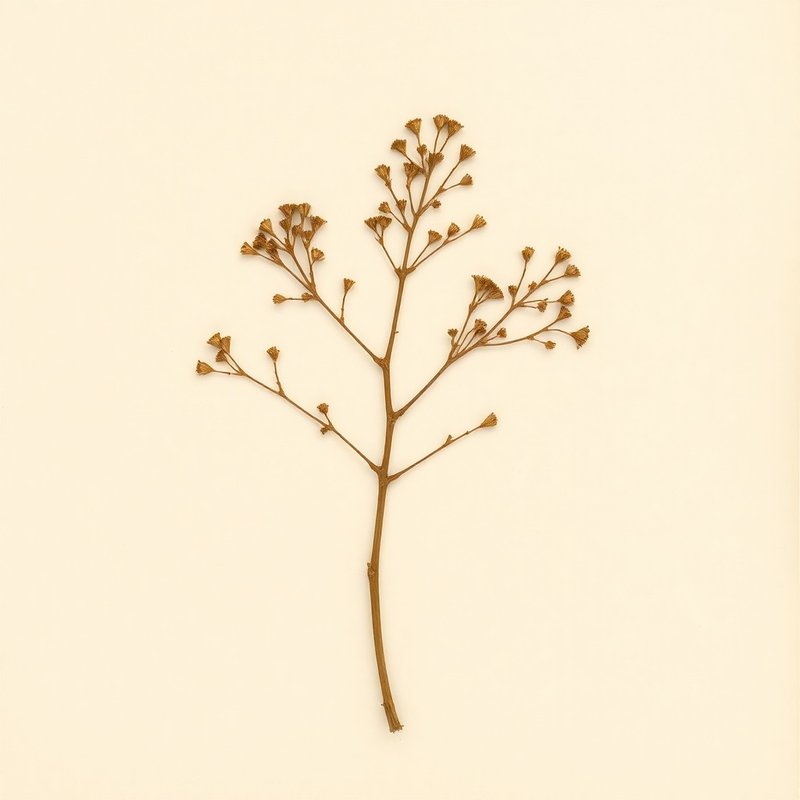
Pl. 87EB — Acacia aneura
Acacia aneuraAcacia aneuraAcacia aneuraAcacia aneuraAcacia aneuraAcacia aneuraAcacia aneuraAcacia aneuraAcacia aneuraAcacia aneuraAcacia aneuraAcacia aneuraAcacia aneuraAcacia aneura
IOverview
Overview
Mulga Acacia, scientifically known as Acacia aneura, is a large shrub or small tree native to the arid and semi-arid regions of Australia, specifically New South Wales, Northern Territory, Queensland, South Australia, and Western Australia. This hardy plant thrives in full sun with well-draining soil that can be either light (sandy) or medium, making it adaptable to various conditions within its native range. Mulga Acacia is known for its edible parts, including flowers and seeds, which are utilized by both wildlife and humans. Its distinctive feature lies in its ability to grow up to 15 meters tall while enduring dry climates, earning it a reputation as an important source of food and habitat in the Australian outback.
Quick answers
What is Mulga Acacia?
Mulga Acacia, scientifically known as Acacia aneura, is a large shrub or small tree native to the arid and semi-arid regions of Australia, specifically New South Wales, Northern Territory, Queensland, South Australia, and Western Australia.
Growingconditions · propagation · uses
VCultivation
Cultivation
Mulga Acacia thrives in full sun and prefers dry to moist conditions with well-draining soil that is light (sandy) or medium. It can grow up to 15 meters tall and is hardy in zones 8-11. For propagation, seeds are the preferred method. Given its native range across Australia, this plant adapts well to various environments within its natural habitat.
Light
Full sun
Water
Dry, Moist
Soil
Light (sandy), Medium
Hardiness
8-11
Mature size
15.0 m tall
For first-time growers
How to grow Mulga Acacia for the first time
8steps
Start with planting Mulga Acacia in a sunny spot, as it thrives in full sun and dry conditions.
- 1
What you'll need
Mulga Acacia seeds or young plants, a trowel, mulch.
- 2
Best time to plant
Plant Mulga Acacia during the spring or autumn for best results.
- 3
Soil and container prep
Choose a well-draining soil with a pH between 6.0 and 8.5, suitable for light (sandy) to medium soils.
- 4
Sowing or transplanting
Direct sow seeds in the ground or plant young seedlings at a depth of about 2-3 times their width.
- 5
First two weeks
Water sparingly, allowing the soil to dry out between waterings. Keep an eye on any signs of stress.
- 6
Ongoing care
Mulga Acacia prefers full sun and can tolerate dry conditions. Water only when necessary, especially during prolonged droughts.
- 7
Harvest or pruning
Prune young plants to encourage a strong structure. Flowers are edible but not commonly harvested.
- 8
Common mistakes
Overwatering, planting in poorly draining soil, and neglecting to provide full sun exposure.
VIEdible & utility
Edible & utility
Edible parts:FlowersSeed
Edible uses: Manna, Drink, Gum
Other uses:CraftingDyeGumErosion controlLumberNitrogen fixer
Contextrange · companions · related
VIIDistribution
5 native · 2 introduced
Distribution
5 native · 2 introducedDistribution across2 continents· 5 native· 2 introduced
Asia1 region
introduced (1)Pakistan
Africa1 region
introduced (1)Kenya
Broader regions
native:New South Wales, Northern Territory, Queensland, South Australia, Western Australia
IXSpecimen gallery
1 image
Specimen gallery
1 imageXI
Explore further
Companion planting
Growing zone
XII
About this entry
- Last updated
- Citation
- How to cite this entry · Submit a correction
Back to the cataloguePlant id · 87eb76ed-ab01-45d2-be7e-6204f122f219
Decision aid
Choosing between Mulga Acacia and something else?
Continue reading
❦❦❦❦
Endpaper · archive updates
Get archive updates
Occasional email when substantial new content lands — plant profiles, seasonal growing notes, folk-remedy additions. Free, no tracking, unsubscribe anytime.