
Prickly Moses
IOverview
Overview
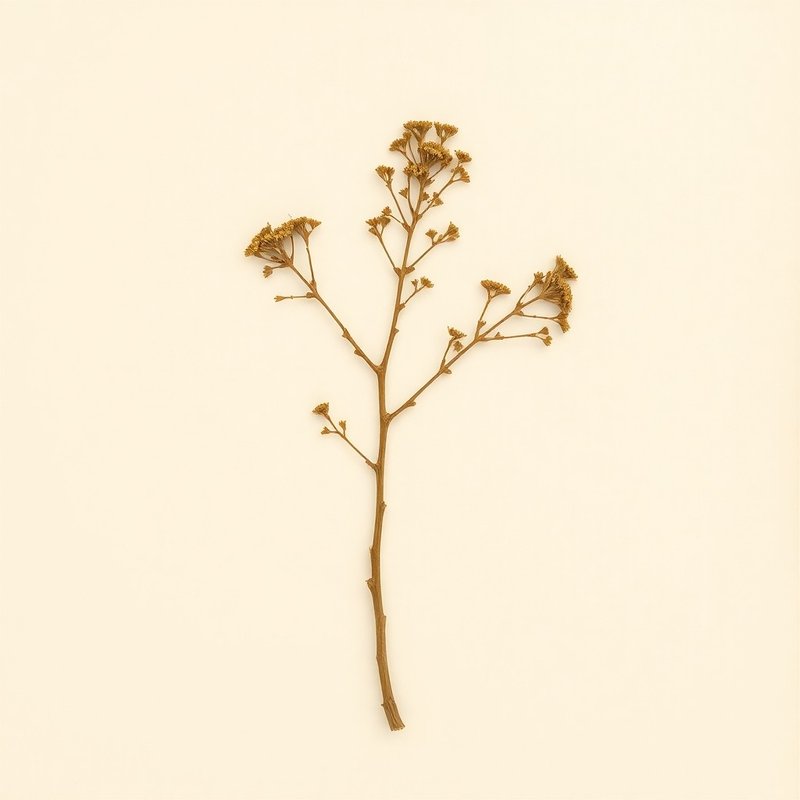
Prickly Moses (Acacia verticillata) is a shrub or small tree native to southeastern Australia, specifically found in New South Wales, South Australia, Tasmania, and Victoria. This plant thrives in full sun and can adapt to various soil types, including light sandy, medium, and heavy clay soils, making it versatile in different growing conditions. Known for its edible flowers, Prickly Moses is often used in teas or added to salads for a mild, pleasant flavor. Its distinctive features include prickles on the stems and leaves, giving it a unique appearance. The plant is hardy in zones 7-10, allowing it to grow in diverse climates within its native range. Prickly Moses is also valued for its ornamental qualities and its ability to serve as a nitrogen fixer and hedgerow. It has been introduced to California, Colombia, India, Madeira, New Zealand North, and New Zealand South, expanding its presence beyond its native regions. While the plant is not medicinal, its edible flowers and ornamental value make it a useful addition to gardens and landscapes.
What is Prickly Moses?
Prickly Moses (Acacia verticillata) is a shrub or small tree native to southeastern Australia, specifically found in New South Wales, South Australia, Tasmania, and Victoria.
VCultivation
Cultivation
How to grow Prickly Moses for the first time
Start with Prickly Moses by planting it in a sunny spot and providing basic care.
- 1
What you'll need
A young Prickly Moses plant, garden gloves, and a trowel.
- 2
Best time to plant
Plant Prickly Moses during spring or autumn when the weather is mild.
- 3
Soil and container prep
Ensure the soil is well-draining. For containers, use a mix of light, medium, and heavy soils.
- 4
Sowing or transplanting
Transplant young plants directly into the garden or in large pots with enough space for growth.
- 5
First two weeks
Water the plant regularly to help it establish. Keep an eye out for pests and diseases.
- 6
Ongoing care
Prune lightly to shape the plant and remove any dead or damaged branches. Water when the soil feels dry.
- 7
Harvest or pruning
Prune the plant in late winter or early spring to encourage new growth and maintain its shape.
- 8
Common mistakes
Overwatering, not providing enough sunlight, and neglecting regular pruning are common issues beginners face.
VIEdible & utility
Edible & utility
VIIDistribution
4 native · 6 introduced
Distribution
4 native · 6 introducedIXSpecimen gallery
1 image
Specimen gallery
1 imageExplore further
About this entry
- Last updated
- Citation
- How to cite this entry · Submit a correction
Continue reading
Get archive updates
Occasional email when substantial new content lands — plant profiles, seasonal growing notes, folk-remedy additions. Free, no tracking, unsubscribe anytime.