
Actinidia arguta cordifolia
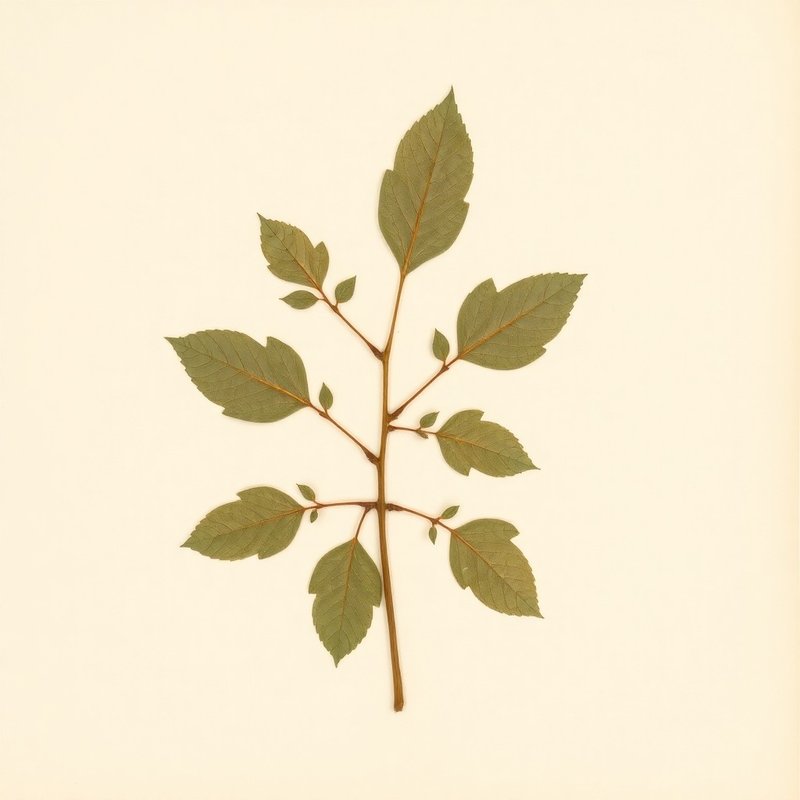
IOverview
Overview
Actinidia arguta cordifolia, commonly known as a form of kiwi, is a vine native to regions including China and Japan. This plant thrives in moist conditions with partial sun or shade and can grow up to 7 meters tall, making it a versatile ornamental choice in gardens where it can be trained on trellises or arbors. The edible fruit of Actinidia arguta cordifolia is notable for its culinary uses, adding a tangy and sweet flavor to various dishes when eaten fresh or used in preparations. Its ability to adapt to light sandy, medium, and clay soils, along with its attractive vine habit, makes it a valuable addition to both edible and ornamental plantings. While primarily ornamental and edible, the fruit can be eaten raw or used in various preparations, making it a versatile plant for gardeners.
What is Actinidia arguta cordifolia?
Actinidia arguta cordifolia, commonly known as a form of kiwi, is a vine native to regions including China and Japan. This plant thrives in moist conditions with partial sun or shade and can grow up to 7 meters tall, making it a versatile ornamental choice in gardens where it can be trained on trellises or arbors.
VCultivation
Cultivation
How to grow Actinidia arguta cordifolia for the first time
Start with Actinidia arguta cordifolia as a simple, rewarding vine for beginners.
- 1
What you'll need
A suitable location, quality soil, and a trellis or support system.
- 2
Best time to plant
Plant in spring after the last frost or in early fall before the first freeze.
- 3
Soil and container prep
Ensure well-draining soil with a pH between 6.0 and 7.5, either in the ground or a large pot.
- 4
Sowing or transplanting
Transplant young plants from a nursery or sow seeds directly into the garden after danger of frost has passed.
- 5
First two weeks
Water regularly to keep soil moist, and protect from extreme heat or cold.
- 6
Ongoing care
Provide consistent moisture, especially during dry spells. Prune lightly in late winter to maintain shape.
- 7
Harvest or pruning
Prune the vine annually in late winter to encourage fruiting and maintain size. Harvest fruits when they are fully colored.
- 8
Common mistakes
Overwatering, not providing enough support, neglecting winter protection, improper pruning timing, and planting in heavy clay soil.
VIEdible & utility
Edible & utility
VIIDistribution
10 native · 8 introduced
Distribution
10 native · 8 introducedIXSpecimen gallery
1 image
Specimen gallery
1 imageExplore further
About this entry
- Last updated
- Citation
- How to cite this entry · Submit a correction
Continue reading
Get archive updates
Occasional email when substantial new content lands — plant profiles, seasonal growing notes, folk-remedy additions. Free, no tracking, unsubscribe anytime.