
Actinidia tetramera
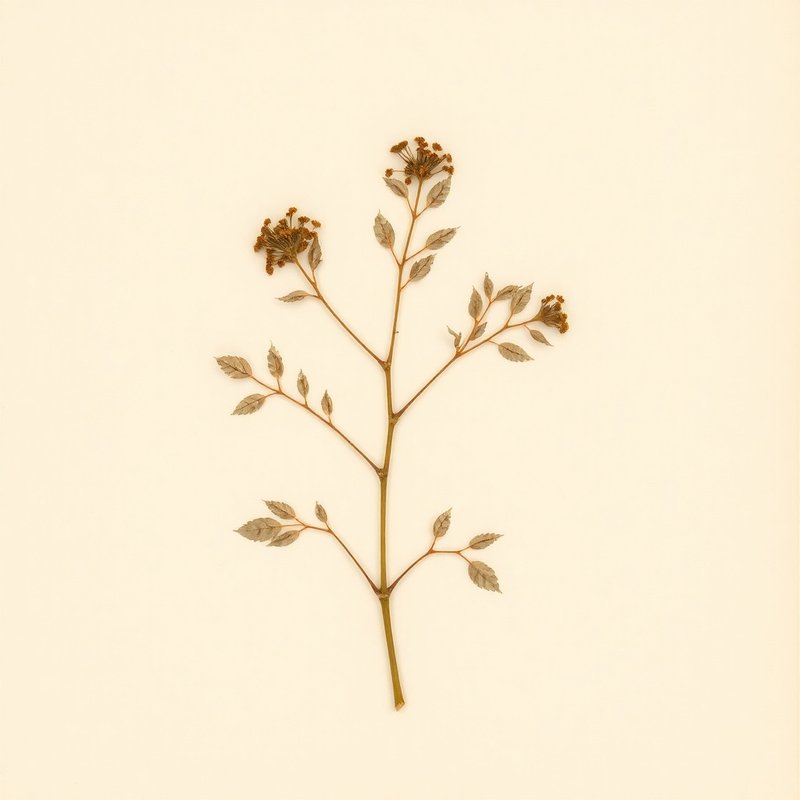
IOverview
Overview
Actinidia tetramera, commonly known as the Chinese red kiwifruit, is a vine native to the central and southeastern regions of China, including the provinces of Henan, Hubei, and Fujian. This hardy plant thrives in moist environments and can adapt to various soil types, including light (sandy), medium, and heavy (clay) soils. It grows up to 13.5 meters in height and requires full sun to partial shade for optimal fruit production. Known for its edible fruit, which can be eaten raw or used in culinary preparations, this vine is both ornamental and useful, making it a valuable addition to gardens and orchards. The fruit of Actinidia tetramera is particularly notable for its adaptability and versatility, offering a delicious and nutritious addition to various dishes. While the plant is not medicinal, its fruit can be enjoyed fresh or incorporated into a variety of recipes, providing a unique and flavorful option for gardeners and cooks alike. Regular watering is essential, especially during dry periods, to ensure optimal fruit production.
What is Actinidia tetramera?
Actinidia tetramera, commonly known as the Chinese red kiwifruit, is a vine native to the central and southeastern regions of China, including the provinces of Henan, Hubei, and Fujian.
VCultivation
Cultivation
How to grow Actinidia tetramera for the first time
Start with a simple, light-loving Actinidia tetramera for your first planting experience.
- 1
What you'll need
A young Actinidia tetramera plant and some basic gardening tools like a trowel.
- 2
Best time to plant
Plant in spring when the soil is moist but not waterlogged.
- 3
Soil and container prep
Ensure the soil is well-draining, with a mix of light (sandy), medium, or heavy clay soils. For containers, use a potting mix suitable for fruiting plants.
- 4
Sowing or transplanting
Transplant young Actinidia tetramera from a nursery pot into your prepared garden bed or container.
- 5
First two weeks
Water regularly to keep the soil moist but not soggy. Avoid direct sunlight for the first few days.
- 6
Ongoing care
Provide full sun to partial shade, water when the top inch of soil feels dry, and mulch around the base to retain moisture.
- 7
Harvest or pruning
Prune in late winter before new growth starts. Harvest fruit when they are fully ripe and easy to pick.
VIEdible & utility
Edible & utility
VIIDistribution
3 native · 0 introduced
Distribution
3 native · 0 introducedIXSpecimen gallery
1 image
Specimen gallery
1 imageExplore further
About this entry
- Last updated
- Citation
- How to cite this entry · Submit a correction
Continue reading
Get archive updates
Occasional email when substantial new content lands — plant profiles, seasonal growing notes, folk-remedy additions. Free, no tracking, unsubscribe anytime.