
Adenophora verticillata
IOverview
Overview
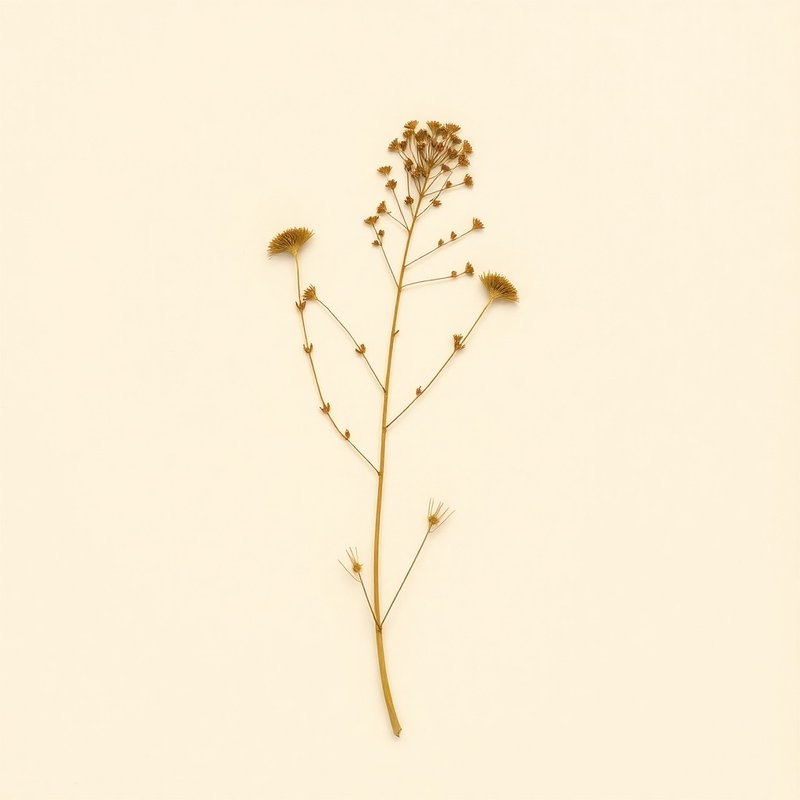
Adenophora verticillata, commonly known as Adenophora verticillata, is a perennial plant native to regions including Amur, Buryatiya, China North-Central, and other parts of East Asia. This light-loving, moisture-averse plant thrives in well-drained soil and partial sun to full shade, growing up to 1 meter tall. Hardy in zones 6-9, it is adaptable to various environmental conditions while maintaining a presence across a wide geographical area. The leaves and roots of Adenophora verticillata are edible, with the leaves being consumed raw or cooked, and the roots typically prepared by boiling or drying before consumption. This plant has been used both ornamentally and as a food source in its native range, making it a versatile addition to gardens and kitchens. While not known for medicinal properties, Adenophora verticillata's use in traditional cuisines highlights its cultural significance and practical value. Gardeners may propagate this plant through division or seed sowing, ensuring its continued presence in both ornamental and culinary contexts.
What is Adenophora verticillata?
Adenophora verticillata, commonly known as Adenophora verticillata, is a perennial plant native to regions including Amur, Buryatiya, China North-Central, and other parts of East Asia. This light-loving, moisture-averse plant thrives in well-drained soil and partial sun to full shade, growing up to 1 meter tall.
VCultivation
Cultivation
How to grow Adenophora verticillata for the first time
Adenophora verticillata is a hardy perennial that's easy to grow for beginners, focusing on basic care and maintenance.
- 1
What you'll need
A small plant or seeds, well-draining soil, a container with drainage holes if planting in pots.
- 2
Best time to plant
Plant Adenophora verticillata in spring after the last frost or in fall before the first freeze.
- 3
Soil and container prep
Use light, medium soil that's well-draining. Ensure containers have adequate drainage holes.
- 4
Sowing or transplanting
Transplant young plants into the garden or start seeds indoors 4-6 weeks before the last frost, then plant outdoors.
- 5
First two weeks
Water regularly to keep soil moist but not waterlogged. Avoid direct sunlight during this period.
- 6
Ongoing care
Provide partial sun or light shade and keep soil consistently moist. Fertilize sparingly with a balanced fertilizer in early spring.
- 7
Harvest or pruning
Prune dead leaves and spent flowers to maintain the plant's appearance, but avoid cutting back too much as it may affect growth.
- 8
Common mistakes
Overwatering, planting in full sun, neglecting to provide consistent moisture, not using well-draining soil.
VIEdible & utility
Edible & utility
VIIDistribution
19 native · 0 introduced
Distribution
19 native · 0 introducedIXSpecimen gallery
1 image
Specimen gallery
1 imageExplore further
About this entry
- Last updated
- Citation
- How to cite this entry · Submit a correction
Continue reading
Get archive updates
Occasional email when substantial new content lands — plant profiles, seasonal growing notes, folk-remedy additions. Free, no tracking, unsubscribe anytime.