
Maidenhair Fern
Adiantum capillus-veneris
Educational content — not medical, botanical, or professional advice. Plant identification, safety, and edibility depend on local conditions, cultivars, and correct identification. Consult a qualified botanist or forager before consuming or handling wild specimens. How we source & review →
Garden journal pausedUse profile notes below
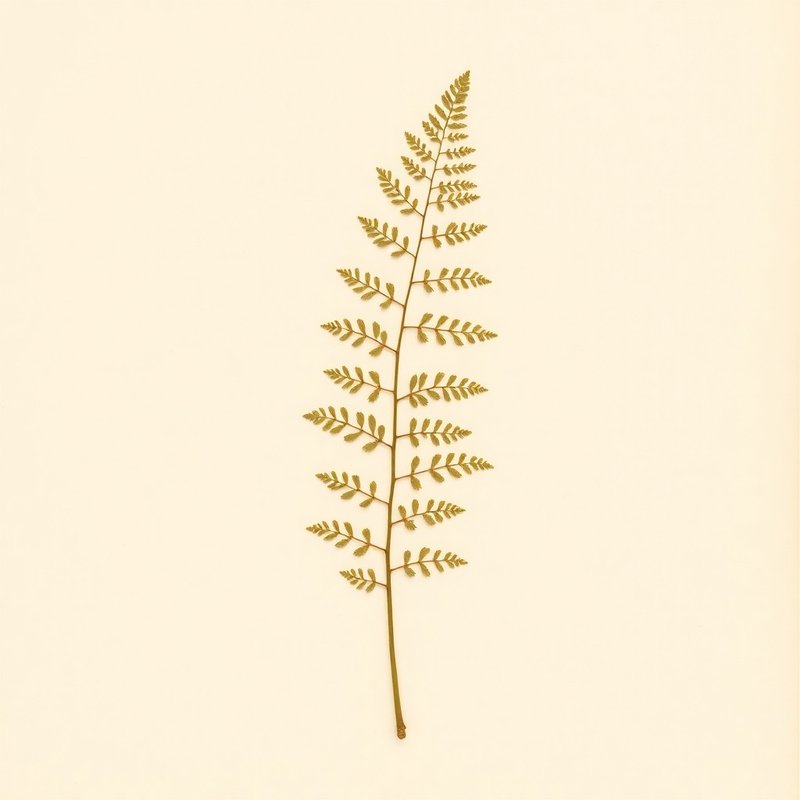
Pl. 978F — Adiantum capillus-veneris
Adiantum capillus-venerisAdiantum capillus-venerisAdiantum capillus-venerisAdiantum capillus-venerisAdiantum capillus-venerisAdiantum capillus-venerisAdiantum capillus-venerisAdiantum capillus-venerisAdiantum capillus-venerisAdiantum capillus-venerisAdiantum capillus-venerisAdiantum capillus-venerisAdiantum capillus-venerisAdiantum capillus-veneris
IOverview
Overview
Maidenhair Fern, scientifically known as Adiantum capillus-veneris, is an evergreen fern native to a vast range of regions including Europe, Asia, North America, and Africa. This delicate plant thrives in partial sun or shade, requiring moist conditions with well-draining soil that can be light (sandy), medium, or heavy (clay). Hardy in zones 8-11, it grows up to 0.3 meters tall and is valued for its edible leaves, which can be used in various culinary applications. The Maidenhair Fern is distinguished by its glossy black stems and finely divided fronds, giving it a graceful appearance that makes it popular as an ornamental plant in gardens and greenhouses. Its native range includes countries such as Afghanistan, Albania, Algeria, Angola, and many others listed above, showcasing its adaptability to diverse climates. While the fern is primarily used for its ornamental value and culinary applications, caution should be exercised when handling or consuming it due to potential allergenic properties. This versatile plant can be found in gardens and landscapes across temperate regions, adding a touch of elegance with its delicate foliage.
Quick answers
What is Maidenhair Fern?
Maidenhair Fern, scientifically known as Adiantum capillus-veneris, is an evergreen fern native to a vast range of regions including Europe, Asia, North America, and Africa.
Growingconditions · propagation · uses
VCultivation
Cultivation
The Maidenhair Fern thrives in partial sun to shade and prefers moist soil that is light (sandy), medium, or heavy (clay). It grows well in hardiness zones 8-11, reaching a height of about 0.3 meters. For propagation, divide the plant or use spores. This fern can be grown for its edible leaves, making it a versatile addition to gardens and landscapes in temperate regions.
Light
Partial sun/shade
Water
Moist
Soil
Light (sandy), Medium, Heavy (clay)
Hardiness
8-11
Mature size
0.3 m tall
For first-time growers
How to grow Maidenhair Fern for the first time
7steps
Start with a simple Maidenhair Fern and focus on basic care for the first few months.
- 1
What you'll need
A Maidenhair Fern plant, well-draining potting soil, a container with drainage holes.
- 2
Best time to plant
Plant in spring or early summer when the weather is mild and stable.
- 3
Soil and container prep
Use a container that's at least 10 inches wide. Fill it with well-draining potting soil, ensuring good drainage.
- 4
Sowing or transplanting
Transplant the Maidenhair Fern from its nursery pot into your prepared container, making sure not to damage the roots.
- 5
First two weeks
Keep the soil consistently moist but avoid overwatering. Place it in a spot with partial shade.
- 6
Ongoing care
Water regularly when the top inch of soil feels dry, and keep the plant in a bright, shady location. Mist the leaves occasionally to maintain humidity.
- 7
Harvest or pruning
Prune any yellowing or damaged fronds to encourage new growth. Avoid cutting back too much at once.
VIEdible & utility
Edible & utility
Edible parts:Leaves
Edible uses: Drink, Tea
Other uses:Hair
Contextrange · companions · related
VIIDistribution
161 native · 4 introduced
Distribution
161 native · 4 introducedDistribution across5 continents· 161 native· 4 introduced
Europe16 regions
native (13)AlbaniaBulgariaCyprusFranceGreeceIrelandItalyPortugalRussiaSpainSwitzerlandUkraineUnited Kingdom
introduced (3)AustriaBelgiumNetherlands
Asia26 regions
native (26)AfghanistanBangladeshCambodiaChinaGeorgiaIndiaIranIraqJapanKazakhstanLaosMyanmarNepalOmanPakistanPalestinePhilippinesSaudi ArabiaSouth KoreaSri LankaTaiwanThailandTurkeyUzbekistanVietnamYemen
Americas11 regions
native (11)BahamasBelizeCubaGuatemalaHaitiHondurasJamaicaPeruPuerto RicoUnited StatesVenezuela
Africa30 regions
native (30)AlgeriaAngolaBotswanaCabo VerdeChadComorosDjiboutiEgyptEswatiniEthiopiaKenyaLesothoLibyaMadagascarMalawiMaliMauritaniaMauritiusMoroccoMozambiqueNamibiaNigerNigeriaSomaliaSudanTanzaniaTunisiaUgandaZambiaZimbabwe
Oceania4 regions
native (4)FijiNew CaledoniaSamoaTonga
Broader regions
native:Alabama, Arizona, Arkansas, Brazil North, Brazil Northeast, Brazil South, Brazil Southeast, British Columbia, California, Cape Provinces, Chile Central, Chile North, Colorado, East Himalaya, Florida, Free State, Gulf States, Kentucky, Kriti, KwaZulu-Natal, Lebanon-Syria, Lesser Sunda Is., Louisiana, Malaya, Maryland, Mexico Central, Mexico Gulf, Mexico Northeast, Mexico Northwest, Mexico Southeast, Mexico Southwest, Mississippi, Missouri, Nansei-shoto, Nevada, New Mexico, New South Wales, New York, North Carolina, Northern Territory, Ohio, Oklahoma, Queensland, Réunion, Rodrigues, Sinai, Society Is., Socotra, South Australia, South Carolina, South Dakota, Tadzhikistan, Tennessee, Texas, Transcaucasus, Trinidad-Tobago, Tubuai Is., Turkey-in-Europe, Utah, Victoria, Virginia, West Himalaya, Western Australia, Windward Is., Yugoslavia, Zaïre
introduced:Czechoslovakia
IXSpecimen gallery
1 image
Specimen gallery
1 imageXI
Explore further
Companion planting
Growing zone
Native to
XII
About this entry
- Last updated
- Citation
- How to cite this entry · Submit a correction
Back to the cataloguePlant id · 978f664c-efc0-44fe-8721-0ffb0dbca3c1
Decision aid
Choosing between Maidenhair Fern and something else?
Continue reading
❦❦❦❦
Endpaper · archive updates
Get archive updates
Occasional email when substantial new content lands — plant profiles, seasonal growing notes, folk-remedy additions. Free, no tracking, unsubscribe anytime.
Newsletter returning soon.
We are rebuilding the update list around a lightweight editorial workflow. New dispatches will resume after the next content review cycle.