
Century Plant
Agave utahensis eborispina
Educational content — not medical, botanical, or professional advice. Plant identification, safety, and edibility depend on local conditions, cultivars, and correct identification. Consult a qualified botanist or forager before consuming or handling wild specimens. How we source & review →
Garden journal pausedUse profile notes below
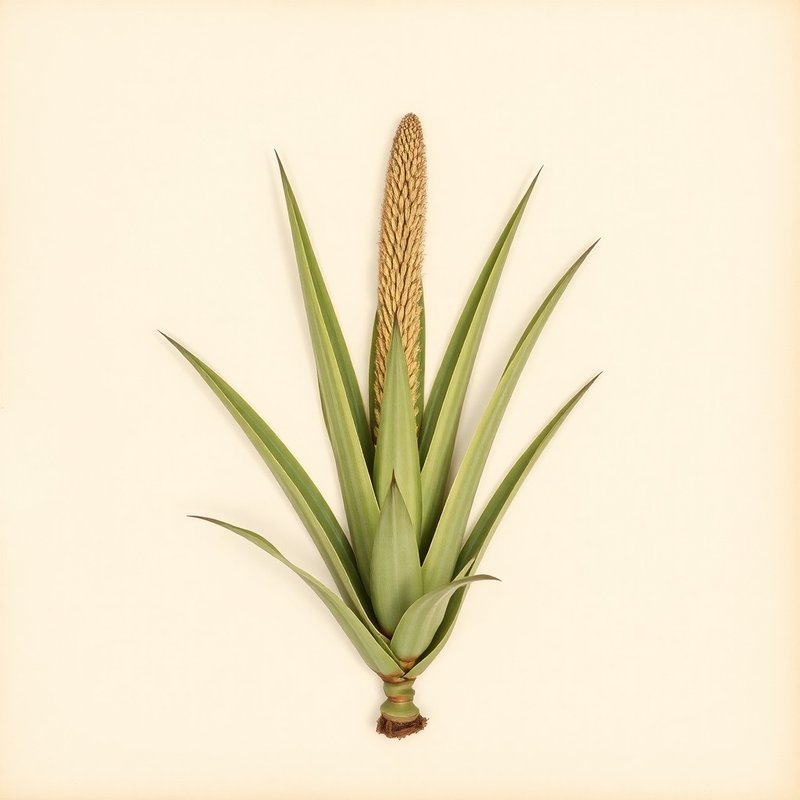
Pl. F64C — Agave utahensis eborispina
Agave utahensis eborispinaAgave utahensis eborispinaAgave utahensis eborispinaAgave utahensis eborispinaAgave utahensis eborispinaAgave utahensis eborispinaAgave utahensis eborispinaAgave utahensis eborispinaAgave utahensis eborispinaAgave utahensis eborispinaAgave utahensis eborispinaAgave utahensis eborispinaAgave utahensis eborispinaAgave utahensis eborispina
IOverview
Overview
The Century Plant, scientifically known as *Agave utahensis eborispina*, is a perennial plant native to the arid regions of California and Nevada. This agave species thrives in full sun and can adapt to both dry and moist conditions, making it a versatile choice for gardeners in hardy zones 8-11. Reaching heights of up to 4 meters, the Century Plant prefers light (sandy) or medium soil types and is known for its robust growth and resilience. Its distinctive features include its ability to withstand varying moisture levels and its ornamental appeal, though it is not primarily cultivated for ornamental purposes. The Century Plant is highly valued for its edible parts, including leaves, root, sap, seed, and stem. The leaves, which can be harvested and used in crafting, provide a source of fiber that can be used in textiles and soap making. The sap, when collected, can be fermented into a drink, adding to its culinary and utilitarian value. Despite its potential uses, caution should be exercised when handling the plant, as its sharp spines can pose a risk.
Quick answers
What is Century Plant?
The Century Plant, scientifically known as *Agave utahensis eborispina*, is a perennial plant native to the arid regions of California and Nevada. This agave species thrives in full sun and can adapt to both dry and moist conditions, making it a versatile choice for gardeners in hardy zones 8-11.
Growingconditions · propagation · uses
VCultivation
Cultivation
The Century Plant (Agave utahensis eborispina) thrives in full sun and is suitable for gardeners in hardy zones 8-11. It prefers well-draining soil that can be either light (sandy) or medium and requires dry to moist conditions. Watering should be moderate, allowing the soil to dry out between waterings. This perennial reaches a height of up to 4 meters and is edible, with its leaves, root, sap, seed, and stem all being usable parts.
Light
Full sun
Water
Dry, Moist
Soil
Light (sandy), Medium
Hardiness
8-11
Life cycle
Perennial
Mature size
4.0 m tall
For first-time growers
How to grow Century Plant for the first time
7steps
Start with a simple Century Plant to gain experience in caring for agaves.
- 1
What you'll need
A healthy Agave utahensis eborispina plant, well-draining soil, and a sunny spot in your garden.
- 2
Best time to plant
Plant the Century Plant during spring or early summer when temperatures are mild.
- 3
Soil and container prep
Ensure the soil is sandy and well-draining. If planting in a container, use a pot with drainage holes.
- 4
Sowing or transplanting
Transplant the Century Plant directly into the garden or a large container if you're growing it indoors.
- 5
First two weeks
Water sparingly to avoid root rot. Keep the soil slightly moist but not waterlogged.
- 6
Ongoing care
Provide full sun and minimal watering, especially once established. Fertilize lightly in spring if needed.
- 7
Harvest or pruning
Prune dead leaves to maintain a neat appearance. Harvest the stem for culinary use when it reaches maturity.
VIEdible & utility
Edible & utility
Edible parts:LeavesRootSapSeedStem
Edible uses: Drink
Other uses:CraftingFibertextilesSoap
Contextrange · companions · related
VIIDistribution
2 native · 0 introduced
Distribution
2 native · 0 introducedDistribution across0 continents· 2 native
Broader regions
native:California, Nevada
IXSpecimen gallery
1 image
Specimen gallery
1 imageXI
Explore further
XII
About this entry
- Last updated
- Citation
- How to cite this entry · Submit a correction
Back to the cataloguePlant id · f64ca286-b2a6-4fba-85bc-bd0d77adb5e7
Decision aid
Choosing between Century Plant and something else?
Continue reading
❦❦❦❦
Endpaper · archive updates
Get archive updates
Occasional email when substantial new content lands — plant profiles, seasonal growing notes, folk-remedy additions. Free, no tracking, unsubscribe anytime.
Newsletter returning soon.
We are rebuilding the update list around a lightweight editorial workflow. New dispatches will resume after the next content review cycle.