
Albizia procera
Albizia procera
Educational content — not medical, botanical, or professional advice. Plant identification, safety, and edibility depend on local conditions, cultivars, and correct identification. Consult a qualified botanist or forager before consuming or handling wild specimens. How we source & review →
Garden journal pausedUse profile notes below
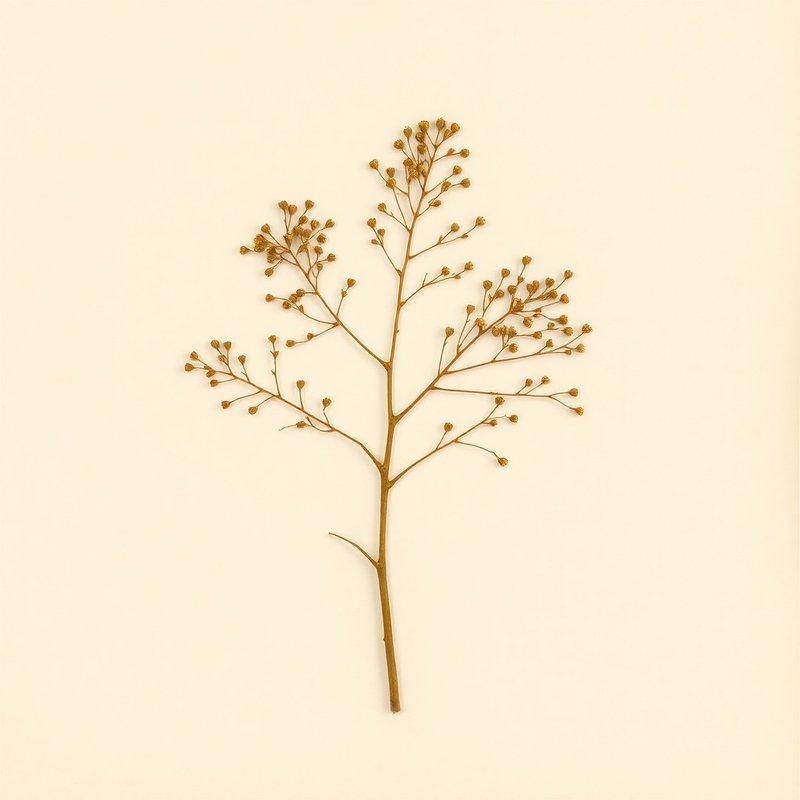
Pl. 7AB6 — Albizia procera
Albizia proceraAlbizia proceraAlbizia proceraAlbizia proceraAlbizia proceraAlbizia proceraAlbizia proceraAlbizia proceraAlbizia proceraAlbizia proceraAlbizia proceraAlbizia proceraAlbizia proceraAlbizia procera
IOverview
Overview
Albizia procera, commonly known as the golden rain tree or silk tree, is a deciduous tree native to Southeast Asia and parts of the Pacific, including regions such as Assam, Bangladesh, Cambodia, and China South-Central. This tree thrives in moist environments with soil types ranging from light (sandy) to heavy (clay) and requires full sun for optimal growth. It can reach a height of 25 meters and is known for its ornamental value due to its showy clusters of yellow flowers. The tree is also valued for its edible parts, including the inner bark, leaves, and seedpods, making it a popular choice in gardens across its native range and beyond. Albizia procera is adaptable and hardy in zones 10-12, making it a versatile addition to gardens and landscapes. Its utility extends beyond ornamental purposes, as it can be used for alcohol production, fire starting, dyeing, gum extraction, pest control, textile production, wind breaking, erosion control, tannin production, and lumber. However, it is important to note that it has the potential to become a weed in certain areas. This tree thrives in full sun and requires moist soil that can be light (sandy), medium, or heavy (clay). It is hardy in zones 10-12, making it suitable for warmer climates. This tree can grow up to 25 meters tall and is native to regions including parts of Asia and Australia. For propagation, it can be grown from seedpods, leaves, or inner bark. Ensure the soil remains consistently moist and provide ample sunlight for best growth.
Quick answers
What is Albizia procera?
Albizia procera, commonly known as the golden rain tree or silk tree, is a deciduous tree native to Southeast Asia and parts of the Pacific, including regions such as Assam, Bangladesh, Cambodia, and China South-Central.
Growingconditions · propagation · uses
VCultivation
Cultivation
Albizia procera thrives in full sun and requires moist soil that can be light (sandy), medium, or heavy (clay). It is hardy in zones 10-12, making it suitable for warmer climates. This tree can grow up to 25 meters tall and is native to regions including parts of Asia and Australia. For propagation, it can be grown from seedpods, leaves, or inner bark. Ensure the soil remains consistently moist and provide ample sunlight for best growth.
Light
Full sun
Water
Moist
Soil
Light (sandy), Medium, Heavy (clay)
Hardiness
10-12
Mature size
25.0 m tall
For first-time growers
How to grow Albizia procera for the first time
8steps
Start with Albizia procera by planting it in a sunny spot and providing basic care.
- 1
What you'll need
Albizia procera seeds or young plants, potting mix if container growing.
- 2
Best time to plant
Plant Albizia procera during the spring when temperatures are warm.
- 3
Soil and container prep
Use well-draining soil with a pH between 6.0 and 7.5 for best growth.
- 4
Sowing or transplanting
Direct sow seeds in the ground or start young plants indoors before transplanting.
- 5
First two weeks
Water regularly to keep soil moist but not waterlogged, providing full sun exposure.
- 6
Ongoing care
Water when dry and fertilize lightly every few months. Prune as needed for shape.
- 7
Harvest or pruning
Prune young plants to encourage a strong structure; harvest inner bark, leaves, or seedpods if desired.
- 8
Common mistakes
Overwatering, planting in heavy soil, and not providing enough sunlight are common issues.
VIEdible & utility
Edible & utility
Edible parts:Inner barkLeavesSeedpod
Edible uses: Gum
Other uses:AlcoholFire starterDyeGumPest controltextilesWind breakerErosion controlTanninLumber
Contextrange · companions · related
VIIDistribution
31 native · 14 introduced
Distribution
31 native · 14 introducedDistribution across4 continents· 31 native· 14 introduced
Asia13 regions
native (12)BangladeshCambodiaChinaIndiaLaosMyanmarNepalPhilippinesSri LankaTaiwanThailandVietnam
introduced (1)Pakistan
Americas5 regions
introduced (5)CubaDominican RepublicHondurasJamaicaPuerto Rico
Africa4 regions
introduced (4)EgyptSudanUgandaZimbabwe
Oceania1 region
introduced (1)Fiji
Broader regions
native:Andaman Is., Bismarck Archipelago, Borneo, East Himalaya, Hainan, Jawa, Lesser Sunda Is., Malaya, Maluku, New Guinea, Northern Territory, Queensland, Solomon Is., Sulawesi, Sumatera, West Himalaya, Western Australia
introduced:Gulf of Guinea Is., Leeward Is., Northern Provinces
IXSpecimen gallery
1 image
Specimen gallery
1 imageXI
Explore further
Companion planting
Growing zone
Native to
XII
About this entry
- Last updated
- Citation
- How to cite this entry · Submit a correction
Back to the cataloguePlant id · 7ab6c231-11e4-4e0b-bb76-5fc9f6b14d3c
Decision aid
Choosing between Albizia procera and something else?
Continue reading
❦❦❦❦
Endpaper · archive updates
Get archive updates
Occasional email when substantial new content lands — plant profiles, seasonal growing notes, folk-remedy additions. Free, no tracking, unsubscribe anytime.
Newsletter returning soon.
We are rebuilding the update list around a lightweight editorial workflow. New dispatches will resume after the next content review cycle.