
Allanblackia stuhlmannii
Allanblackia stuhlmannii
Educational content — not medical, botanical, or professional advice. Plant identification, safety, and edibility depend on local conditions, cultivars, and correct identification. Consult a qualified botanist or forager before consuming or handling wild specimens. How we source & review →
Garden journal pausedUse profile notes below
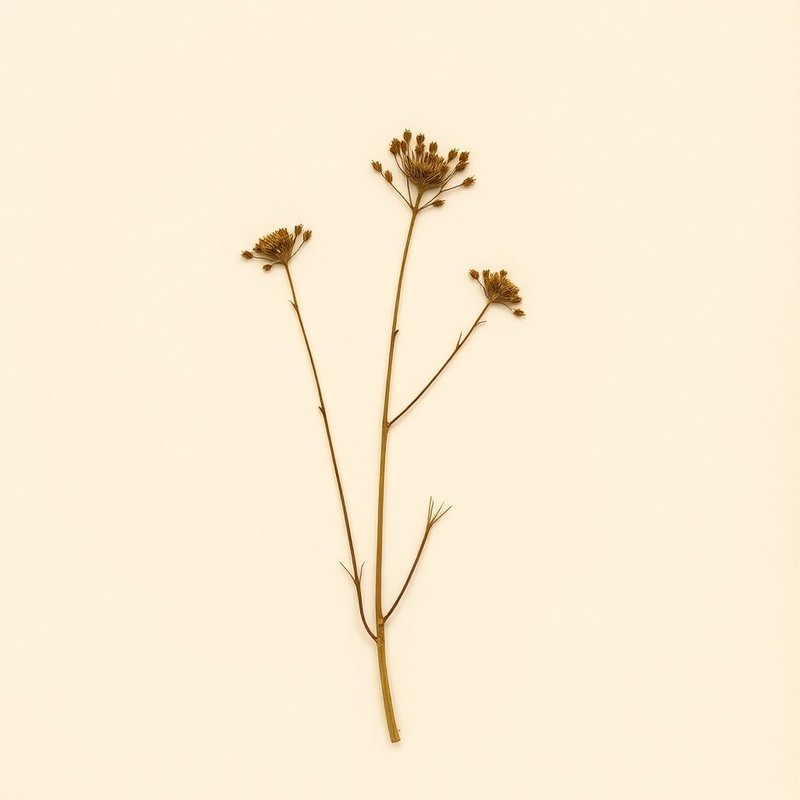
Pl. 903F — Allanblackia stuhlmannii
Allanblackia stuhlmanniiAllanblackia stuhlmanniiAllanblackia stuhlmanniiAllanblackia stuhlmanniiAllanblackia stuhlmanniiAllanblackia stuhlmanniiAllanblackia stuhlmanniiAllanblackia stuhlmanniiAllanblackia stuhlmanniiAllanblackia stuhlmanniiAllanblackia stuhlmanniiAllanblackia stuhlmanniiAllanblackia stuhlmanniiAllanblackia stuhlmannii
IOverview
Overview
Allanblackia stuhlmannii, a tall tree native to Tanzania, belongs to the Clusiaceae family and can grow up to 35 meters in height, making it a significant presence in its habitat. Thriving in full sun with moist, medium to heavy (clay) soil, this tree is hardy in zones 10-12. The fruit and seed of Allanblackia stuhlmannii are edible and valued for their nutritional content, making it a valuable resource for those seeking edible plants. The seeds are also the preferred method for propagation, ensuring the continuation of this species. Beyond its edible uses, the tree has multiple practical applications, including its utility in containers, dye, fire starting, lighting, and oil production. Its adaptability and multiple uses make it a valuable addition to gardens and landscapes in its native range and beyond. While Allanblackia stuhlmannii is not known for medicinal properties, it is important to exercise caution when handling any plant, especially when considering its use in various applications.
Quick answers
What is Allanblackia stuhlmannii?
Allanblackia stuhlmannii, a tall tree native to Tanzania, belongs to the Clusiaceae family and can grow up to 35 meters in height, making it a significant presence in its habitat. Thriving in full sun with moist, medium to heavy (clay) soil, this tree is hardy in zones 10-12.
Growingconditions · propagation · uses
VCultivation
Cultivation
Allanblackia stuhlmannii thrives in full sun and requires moist soil that can be medium to heavy (clay). This tree is hardy in zones 10-12 and can grow up to 35 meters tall. For propagation, seeds are the preferred method. Ensure the soil is well-draining yet retains moisture, as it needs consistent watering but not waterlogged conditions. Plant in a location that receives ample sunlight for best fruit production.
Light
Full sun
Water
Moist
Soil
Medium, Heavy (clay)
Hardiness
10-12
Mature size
35.0 m tall
For first-time growers
How to grow Allanblackia stuhlmannii for the first time
8steps
This guide will help you grow Allanblackia stuhlmannii with simple steps suitable for beginners.
- 1
What you'll need
Seeds or seedlings, a large pot or garden space, compost, and water.
- 2
Best time to plant
Plant in spring when the weather is warm and stable.
- 3
Soil and container prep
Use well-draining soil with some clay content. Ensure containers are at least 30 cm deep.
- 4
Sowing or transplanting
Direct sow seeds in the ground or start them indoors before transplanting to a sunny spot.
- 5
First two weeks
Keep soil moist and provide partial shade if seedlings are exposed to direct sunlight.
- 6
Ongoing care
Water regularly, especially during dry spells. Fertilize lightly once a year in spring.
- 7
Harvest or pruning
Prune annually to maintain shape and remove dead branches. Fruit is edible but not commonly harvested.
- 8
Common mistakes
Overwatering, planting in full sun, neglecting regular pruning, using too much fertilizer, and waiting for fruit without patience.
VIEdible & utility
Edible & utility
Edible parts:FruitSeed
Edible uses: Oil
Other uses:ContainersDyeFire starterLightingoilLumber
Contextrange · companions · related
VIIDistribution
1 native · 0 introduced
Distribution
1 native · 0 introducedDistribution across1 continent· 1 native
Africa1 region
native (1)Tanzania
IXSpecimen gallery
1 image
Specimen gallery
1 imageXI
Explore further
XII
About this entry
- Last updated
- Citation
- How to cite this entry · Submit a correction
Back to the cataloguePlant id · 903fddc5-db25-4397-9c98-b4df5a803c87
Decision aid
Choosing between Allanblackia stuhlmannii and something else?
Continue reading
❦❦❦❦
Endpaper · archive updates
Get archive updates
Occasional email when substantial new content lands — plant profiles, seasonal growing notes, folk-remedy additions. Free, no tracking, unsubscribe anytime.
Newsletter returning soon.
We are rebuilding the update list around a lightweight editorial workflow. New dispatches will resume after the next content review cycle.