
Allocasuarina littoralis
IOverview
Overview
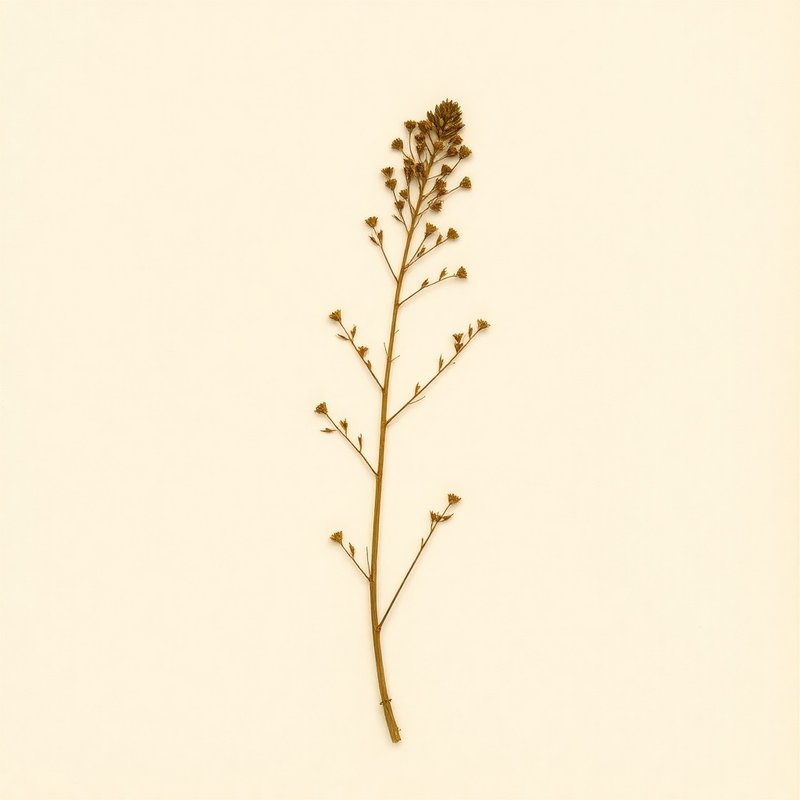
Allocasuarina littoralis, commonly known as coastal sheoak, is a medium-sized tree native to the eastern coast of Australia, including New South Wales, Queensland, Tasmania, and Victoria. This tree thrives in full sun and prefers moist soil that can be light (sandy), medium, or heavy (clay). It grows up to 8 meters tall and is known for its edible parts, specifically its seeds, which are a valuable food source. The tree's distinctive feature lies in its unique needle-like leaves and cone-like structures, making it an ornamental addition to gardens while also serving as an important local resource. Cultivation of Allocasuarina littoralis is recommended through seed propagation, and it is hardy in zones 9-11, making it suitable for temperate regions. This tree also serves multiple practical purposes, including acting as a fire starter, hedgerow, wind breaker, erosion control, and a source of tannin and lumber. While not medicinal, it is important to note that the plant should be handled with caution and not consumed in large quantities without proper preparation.
What is Allocasuarina littoralis?
Allocasuarina littoralis, commonly known as coastal sheoak, is a medium-sized tree native to the eastern coast of Australia, including New South Wales, Queensland, Tasmania, and Victoria. This tree thrives in full sun and prefers moist soil that can be light (sandy), medium, or heavy (clay).
VCultivation
Cultivation
How to grow Allocasuarina littoralis for the first time
Start with planting Allocasuarina littoralis in a sunny spot, as it thrives in full sun and moist soil.
- 1
What you'll need
Seeds or young plants, a garden fork, compost.
- 2
Best time to plant
Plant seeds or young plants during spring or autumn when the weather is mild.
- 3
Soil and container prep
Ensure soil is well-draining but moisture-retentive. Amend heavy clay with sand if necessary.
- 4
Sowing or transplanting
Direct sow seeds in a sunny spot, covering them lightly. Alternatively, plant young seedlings 2-3 meters apart.
- 5
First two weeks
Keep the soil moist but not waterlogged. Water regularly until plants are established.
- 6
Ongoing care
Water during dry spells and mulch to retain moisture. Prune lightly if needed for shape or size control.
- 7
Harvest or pruning
Prune young growth in late winter to encourage bushy growth, but avoid heavy cutting.
- 8
Common mistakes
Overwatering, planting in too shady a spot, neglecting regular watering during dry periods.
VIEdible & utility
Edible & utility
VIIDistribution
4 native · 0 introduced
Distribution
4 native · 0 introducedIXSpecimen gallery
1 image
Specimen gallery
1 imageExplore further
About this entry
- Last updated
- Citation
- How to cite this entry · Submit a correction
Continue reading
Get archive updates
Occasional email when substantial new content lands — plant profiles, seasonal growing notes, folk-remedy additions. Free, no tracking, unsubscribe anytime.