
Amaranthus caudatus
Amaranthus caudatus
Educational content — not medical, botanical, or professional advice. Plant identification, safety, and edibility depend on local conditions, cultivars, and correct identification. Consult a qualified botanist or forager before consuming or handling wild specimens. How we source & review →
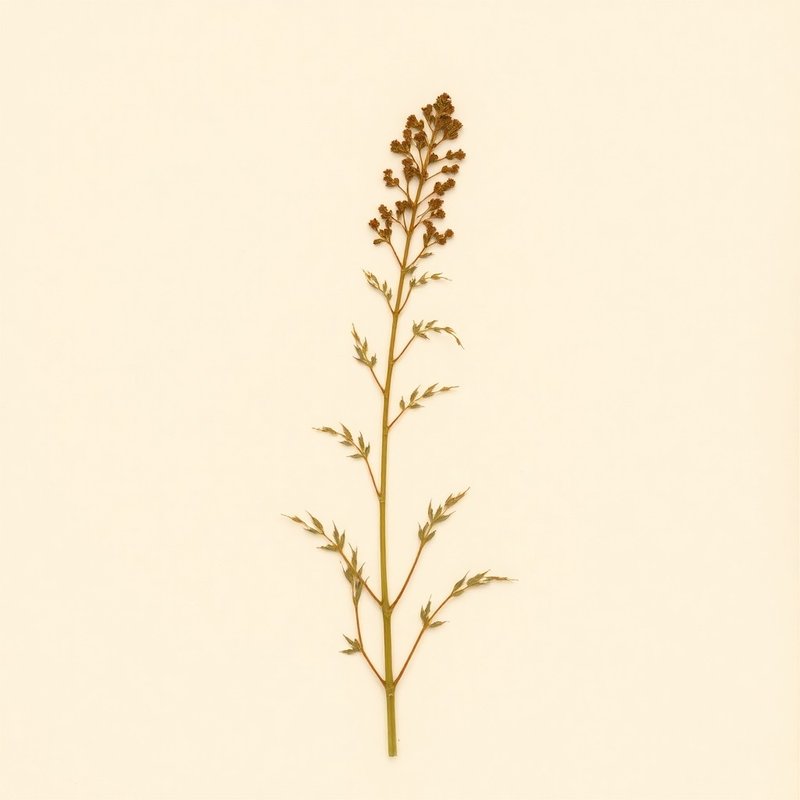
Pl. E9DC — Amaranthus caudatus
Amaranthus caudatusAmaranthus caudatusAmaranthus caudatusAmaranthus caudatusAmaranthus caudatusAmaranthus caudatusAmaranthus caudatusAmaranthus caudatusAmaranthus caudatusAmaranthus caudatusAmaranthus caudatusAmaranthus caudatusAmaranthus caudatusAmaranthus caudatus
IOverview
Overview
Amaranthus caudatus, commonly known as love-lies-bleeding, is an annual forb or herb native to the northwest regions of Argentina, Bolivia, Ecuador, and Peru. This plant thrives in dry to moist conditions with light (sandy), medium, or heavy (clay) soil, showing a preference for a pH range of 7.5–8. Its distinctive feature is its drooping, red flower tassels that resemble bleeding wounds, hence the common name. Amaranthus caudatus can grow up to 2 meters tall and is known for its edible leaves and seeds, making it both ornamental and useful in the kitchen. For propagation, direct seeding followed by thinning seedlings to a spacing of 15 cm is recommended.
Quick answers
What is Amaranthus caudatus?
Amaranthus caudatus, commonly known as love-lies-bleeding, is an annual forb or herb native to the northwest regions of Argentina, Bolivia, Ecuador, and Peru. This plant thrives in dry to moist conditions with light (sandy), medium, or heavy (clay) soil, showing a preference for a pH range of 7.
Growingconditions · propagation · uses
VCultivation
Cultivation
Amaranthus caudatus thrives in light to moist conditions and prefers well-drained soils of medium or heavy consistency with a pH between 7.5 and 8. It is hardy in temperate regions from zones 4-8. This annual plant grows up to 2 meters tall, making it suitable for garden beds or as an ornamental. For propagation, direct seed the amaranth, then thin seedlings to about 15 cm apart. The edible parts include both leaves and seeds, providing a nutritious addition to your garden. Ensure the plant receives adequate light but avoid overwatering to prevent root rot.
Light
8/10
Water
Dry, Moist
Soil
Light (sandy), Medium, Heavy (clay)
Hardiness
4-8
Life cycle
Annual
Habit
Forb/herb
Mature size
2.0 m tall
Soil pH
7.5–8
- Propagation
- Direct seed, thin seedlings to 15cm
- Row spacing
- 20 cm
For first-time growers
How to grow Amaranthus caudatus for the first time
8steps
Start with Amaranthus caudatus to gain experience in growing annual forbs and herbs.
- 1
What you'll need
Seeds, a garden or container pot, soil, water.
- 2
Best time to plant
Plant seeds after the last frost in spring when temperatures are mild.
- 3
Soil and container prep
Use well-draining soil with a pH between 7.5–8. Ensure containers are at least 30cm deep.
- 4
Sowing or transplanting
Direct sow seeds in the garden, spacing them about 15cm apart. Thin seedlings to maintain this distance.
- 5
First two weeks
Water regularly to keep soil moist but not waterlogged. Monitor for pests and diseases.
- 6
Ongoing care
Provide consistent watering, especially during dry periods. Fertilize lightly with compost every few weeks.
- 7
Harvest or pruning
Prune regularly to encourage bushy growth and prevent the plant from becoming leggy. Harvest leaves as needed for cooking.
- 8
Common mistakes
Overwatering, planting too close together, neglecting regular pruning, using incorrect soil pH, not providing enough sunlight.
VIEdible & utility
Edible & utility
Edible parts:LeavesSeed
Edible uses: Colouring
Other uses:DyeDynamic accumulator
Contextrange · companions · related
VIIDistribution
4 native · 26 introduced
Distribution
4 native · 26 introducedDistribution across4 continents· 4 native· 26 introduced
Europe2 regions
introduced (2)RussiaSpain
Asia2 regions
introduced (2)BangladeshChina
Americas5 regions
native (3)BoliviaEcuadorPeru
introduced (2)BelizeGuatemala
Africa8 regions
introduced (8)AlgeriaAngolaCabo VerdeCameroonDjiboutiEritreaEthiopiaGuinea-Bissau
Broader regions
native:Argentina Northwest
introduced:Brazil North, Argentina Northeast, Brazil South, Brazil Southeast, California, Central African Repu, Arizona, Connecticut, Delaware, Argentina South, Florida
IXSpecimen gallery
1 image
Specimen gallery
1 imageXI
Explore further
Companion planting
Growing zone
XII
About this entry
- Last updated
- Citation
- How to cite this entry · Submit a correction
Back to the cataloguePlant id · e9dcd521-ddd0-4877-9c31-437fe662713f
Decision aid
Choosing between Amaranthus caudatus and something else?
Continue reading
❦❦❦❦
Endpaper · archive updates
Get archive updates
Occasional email when substantial new content lands — plant profiles, seasonal growing notes, folk-remedy additions. Free, no tracking, unsubscribe anytime.