
Amaranthus hybridus
Amaranthus hybridus
Educational content — not medical, botanical, or professional advice. Plant identification, safety, and edibility depend on local conditions, cultivars, and correct identification. Consult a qualified botanist or forager before consuming or handling wild specimens. How we source & review →
Garden journal pausedUse profile notes below
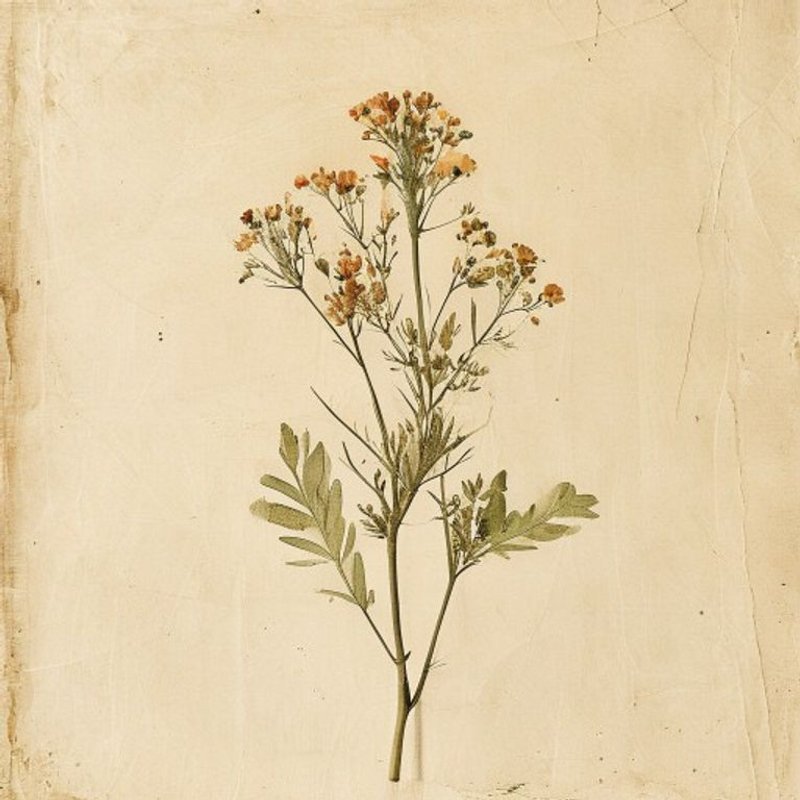
Pl. C3EA — Amaranthus hybridus
Amaranthus hybridusAmaranthus hybridusAmaranthus hybridusAmaranthus hybridusAmaranthus hybridusAmaranthus hybridusAmaranthus hybridusAmaranthus hybridusAmaranthus hybridusAmaranthus hybridusAmaranthus hybridusAmaranthus hybridusAmaranthus hybridusAmaranthus hybridus
IOverview
Overview
Amaranthus hybridus, commonly known as pigweed or redroot pigweed, is an annual forb/herb that thrives in full sun and moist conditions. Native to regions including Alabama, Arkansas, Belize, Bolivia, Brazil West-Central, and various parts of Argentina, this plant can grow up to 2 meters tall. It is valued for its edible leaves and seeds, making it a useful addition to gardens or landscapes where it can serve as both an ornamental and food source. One distinctive feature of Amaranthus hybridus is its ability to adapt to different soil types, from light sandy soils to heavier clay soils, while another notable characteristic is its hardiness range of 6-12, indicating its versatility across various climates. The amaranth leaves and seeds are edible. The leaves can be eaten raw in salads or cooked as a vegetable, while the seeds are often harvested and roasted or ground into flour for use in various dishes. Both parts add a nutritious boost to meals. However, due to its prolific nature, Amaranthus hybridus can have weed potential, so careful management may be necessary in cultivated settings. This plant thrives in full sun and requires moist soil that can be light (sandy), medium, or heavy (clay). For propagation, sow seeds directly in the garden after the last frost. Keep the soil consistently moist and ensure the plant receives ample sunlight for best growth and leaf production. Harvest the leaves and seeds for culinary use.
Quick answers
What is Amaranthus hybridus?
Amaranthus hybridus, commonly known as pigweed or redroot pigweed, is an annual forb/herb that thrives in full sun and moist conditions. Native to regions including Alabama, Arkansas, Belize, Bolivia, Brazil West-Central, and various parts of Argentina, this plant can grow up to 2 meters tall.
Growingconditions · propagation · uses
VCultivation
Cultivation
Amaranthus hybridus thrives in full sun and requires moist soil that can be light (sandy), medium, or heavy (clay). This annual plant grows up to 2 meters tall and is hardy in temperate regions, typically zones 6-12. For propagation, sow seeds directly in the garden after the last frost. Keep the soil consistently moist and ensure the plant receives ample sunlight for best growth and leaf production. Harvest the leaves and seeds for culinary use.
Light
Full sun
Water
Moist
Soil
Light (sandy), Medium, Heavy (clay)
Hardiness
6-12
Life cycle
Annual
Habit
Forb/herb
Mature size
2.0 m tall
VIEdible & utility
Edible & utility
Edible parts:LeavesSeed
Edible uses: The amaranth leaves and seeds are edible. The leaves can be eaten raw in salads or cooked as a vegetable. Seeds are often harvested and roasted or ground into flour for use in various dishes. Both parts add a nutritious boost to meals.
Other uses:DyeDynamic accumulator
Contextrange · companions · related
VIIDistribution
45 native · 164 introduced
Distribution
45 native · 164 introducedDistribution across4 continents· 45 native· 164 introduced
Europe23 regions
introduced (23)AlbaniaAustriaBelgiumBulgariaCyprusDenmarkFinlandFranceGermanyGreeceHungaryIrelandItalyNorwayPolandPortugalRomaniaRussiaSpainSwedenSwitzerlandUkraineUnited Kingdom
Asia19 regions
native (1)Georgia
introduced (18)AfghanistanCambodiaChinaIndiaIranIraqJapanLaosNepalOmanPakistanSaudi ArabiaSouth KoreaSri LankaThailandTurkeyVietnamYemen
Americas17 regions
native (13)BelizeBoliviaColombiaCosta RicaEcuadorEl SalvadorGuatemalaHondurasNicaraguaParaguayPeruUruguayVenezuela
introduced (4)BahamasCubaDominican RepublicUnited States
Africa38 regions
introduced (38)AlgeriaAngolaBeninBotswanaBurkina FasoCabo VerdeCameroonChadComorosCôte d'IvoireEgyptEritreaEswatiniEthiopiaGabonGambiaGhanaGuineaKenyaLesothoLiberiaLibyaMalawiMaliMauritiusMoroccoNamibiaNigeriaRwandaSenegalSierra LeoneSudanTanzaniaTogoTunisiaUgandaZambiaZimbabwe
Broader regions
native:Alabama, Argentina Northeast, Argentina Northwest, Argentina South, Arkansas, Brazil West-Central, Delaware, Florida, Galápagos, Louisiana, Maryland, Masachusettes, Mexico Central, Mexico Gulf, Mexico Northeast, Mexico Southeast, Mexico Southwest, Mississippi, New Hampshire, New Jersey, New York, North Carolina, Ontario, Panamá, Pennsylvania, Rhode I., South Carolina, Tennessee, Texas, Vermont, Virginia
introduced:Arizona, Bermuda, Brazil North, Brazil Northeast, Brazil South, Brazil Southeast, British Columbia, California, Cape Provinces, Central African Repu, Chile Central, Chile North, Chile South, Colorado, Congo, Connecticut, Czechoslovakia, District of Columbia, East Aegean Is., East Himalaya, Free State, Gulf of Guinea Is., Gulf States, Idaho, Illinois, Indiana, Iowa, Juan Fernández Is., Kansas, Kentucky, Kriti, KwaZulu-Natal, Lebanon-Syria, Leeward Is., Maine, Manitoba, Mexico Northwest, Michigan, Minnesota, Missouri, Montana, Nansei-shoto, Nebraska, Nevada, New Mexico, New South Wales, North Dakota, Northern Provinces, Northern Territory, Nova Scotia, Ohio, Oklahoma, Oregon, Primorye, Québec, Queensland, Réunion, Sinai, South Australia, South Dakota, Transcaucasus, Tristan da Cunha, Victoria, Washington, West Himalaya, West Virginia, Western Australia, Wisconsin, Yugoslavia, Zaïre
IXSpecimen gallery
1 image
Specimen gallery
1 imageXI
Explore further
Companion planting
Growing zone
XII
About this entry
- Last updated
- Citation
- How to cite this entry · Submit a correction
Back to the cataloguePlant id · c3eac1b9-af87-4bb4-9464-a8b94531bfbe
Decision aid
Choosing between Amaranthus hybridus and something else?
Continue reading
❦❦❦❦
Endpaper · archive updates
Get archive updates
Occasional email when substantial new content lands — plant profiles, seasonal growing notes, folk-remedy additions. Free, no tracking, unsubscribe anytime.
Newsletter returning soon.
We are rebuilding the update list around a lightweight editorial workflow. New dispatches will resume after the next content review cycle.