
Amaranthus pallidiflorus
Amaranthus pallidiflorus
Educational content — not medical, botanical, or professional advice. Plant identification, safety, and edibility depend on local conditions, cultivars, and correct identification. Consult a qualified botanist or forager before consuming or handling wild specimens. How we source & review →
Garden journal pausedUse profile notes below
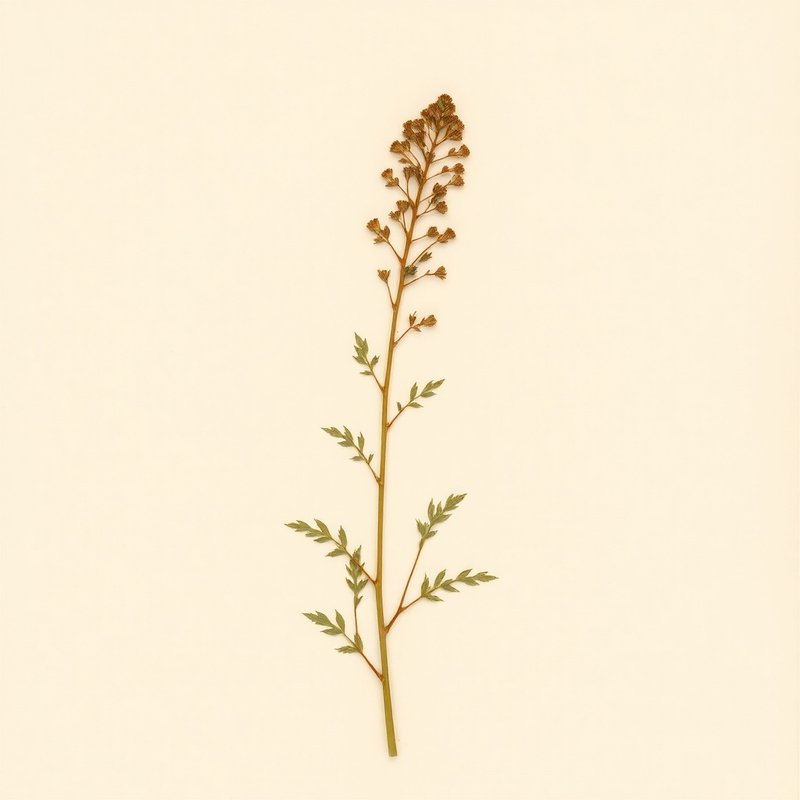
Pl. 6133 — Amaranthus pallidiflorus
Amaranthus pallidiflorusAmaranthus pallidiflorusAmaranthus pallidiflorusAmaranthus pallidiflorusAmaranthus pallidiflorusAmaranthus pallidiflorusAmaranthus pallidiflorusAmaranthus pallidiflorusAmaranthus pallidiflorusAmaranthus pallidiflorusAmaranthus pallidiflorusAmaranthus pallidiflorusAmaranthus pallidiflorusAmaranthus pallidiflorus
IOverview
Overview
Amaranthus pallidiflorus, commonly known as slender amaranth, is an annual plant native to tropical regions of New Guinea and Australia, specifically in Northern Territory, Queensland, and Western Australia. This light-loving species thrives in a variety of soil types, including sandy, medium, and clay soils, and prefers moist conditions with full sun exposure. Standing up to 1 meter tall, slender amaranth is both edible and ornamental, with its leaves and seeds being the parts used for consumption. The leaves can be eaten raw or cooked in various dishes, while the seeds can be harvested and ground into flour for baking, adding nutritional value to meals. This plant's adaptability to diverse environments makes it a versatile addition to gardens or agricultural settings in suitable climates. While primarily valued for its edible qualities, slender amaranth also serves as a dynamic accumulator, enhancing soil fertility through its root system. However, caution is advised when handling the plant due to potential irritants; direct contact may cause skin irritation.
Quick answers
What is Amaranthus pallidiflorus?
Amaranthus pallidiflorus, commonly known as slender amaranth, is an annual plant native to tropical regions of New Guinea and Australia, specifically in Northern Territory, Queensland, and Western Australia.
Growingconditions · propagation · uses
VCultivation
Cultivation
Amaranthus pallidiflorus thrives in full sun and prefers moist, well-drained soil that can be light (sandy), medium, or heavy (clay). This annual plant grows up to 1 meter tall and is native to regions like New Guinea, Northern Territory, Queensland, and Western Australia. For cultivation, ensure the soil remains consistently moist while providing ample sunlight. Propagation is typically done through seeds.
Light
Full sun
Water
Moist
Soil
Light (sandy), Medium, Heavy (clay)
Life cycle
Annual
Mature size
1.0 m tall
For first-time growers
How to grow Amaranthus pallidiflorus for the first time
8steps
Skip is a straightforward annual plant for beginners to grow, focusing on basic care and harvesting.
- 1
What you'll need
Seeds or seedlings, a container or garden bed, potting soil if using containers.
- 2
Best time to plant
Plant Skip in spring after the last frost when temperatures are consistently above 15°C (60°F).
- 3
Soil and container prep
Ensure the soil is well-draining, with a pH between 6.0 and 7.5. Use a mix of light sand, medium loam, and clay for containers.
- 4
Sowing or transplanting
Direct sow seeds 1 cm deep in rows spaced 30-45 cm apart. Transplant seedlings when they have two true leaves.
- 5
First two weeks
Water regularly to keep the soil moist but not waterlogged. Provide full sun exposure.
- 6
Ongoing care
Continue regular watering, especially during dry spells. Fertilize lightly every 4-6 weeks with a balanced organic fertilizer.
- 7
Harvest or pruning
Prune regularly to encourage bushy growth and prevent the plant from becoming leggy. Harvest leaves as needed for cooking.
- 8
Common mistakes
Overwatering, planting in heavy clay soil without amending, neglecting regular pruning.
VIEdible & utility
Edible & utility
Edible parts:LeavesSeed
Edible uses: The amaranthus pallidiflorus plant is edible and its leaves and seeds can be consumed. The leaves are often eaten raw or cooked in various dishes, while the seeds can be harvested and used whole or ground into flour for baking. Both parts of the plant add nutritional value to meals.
Other uses:DyeDynamic accumulator
Contextrange · companions · related
VIIDistribution
4 native · 0 introduced
Distribution
4 native · 0 introducedDistribution across0 continents· 4 native
Broader regions
native:New Guinea, Northern Territory, Queensland, Western Australia
IXSpecimen gallery
1 image
Specimen gallery
1 imageXI
Explore further
Companion planting
XII
About this entry
- Last updated
- Citation
- How to cite this entry · Submit a correction
Back to the cataloguePlant id · 6133d849-b0c5-4a3b-9a01-e378fa68988d
Decision aid
Choosing between Amaranthus pallidiflorus and something else?
Continue reading
❦❦❦❦
Endpaper · archive updates
Get archive updates
Occasional email when substantial new content lands — plant profiles, seasonal growing notes, folk-remedy additions. Free, no tracking, unsubscribe anytime.
Newsletter returning soon.
We are rebuilding the update list around a lightweight editorial workflow. New dispatches will resume after the next content review cycle.